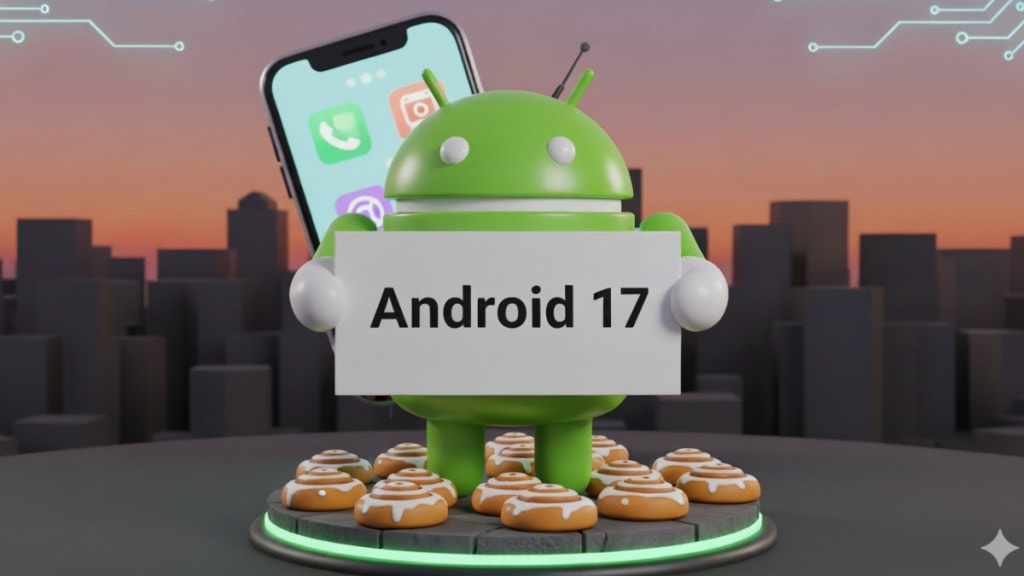
After releasing Android 16 successfully to most smartphone vendors and the Pixel family of devices, Google is now gearing up for the next major version of its mobile operating system, Android 17. Expected to launch in mid-2026 and internally known as Cinnamon Bun, the update promises a major leap in design, privacy, and desktop functionality. The idea is to continue pushing for a more personalised and secure user experience.
If you have been eager to know everything about Android 17’s launch, here is a comprehensive breakdown of the expected release schedule, supported devices, and the top new features anticipated in Android 17.
Android 17: Expected release date and timeline
Similar to last year’s Android 16 release, Google is maintaining its traditional annual release rhythm for Android 17:
Developer Preview: The first look at the new OS is anticipated in late 2025 (potentially November). This initial build is aimed primarily at app developers.
Beta Builds: Public beta versions are expected to begin rolling out in early 2026.
Stable Release: The final, stable version of Android 17 is projected to launch around June 2026. This will likely debut first on Google’s flagship Pixel devices.
Android 17: Supported devices and compatibility
While Google has not released an official list, compatibility will follow standard Android update policies, prioritising newer devices:
Google Pixel: Devices released approximately within the last three years are highly likely to receive the update. This includes models like the Pixel 8, Pixel 8 Pro, and any subsequent Pixel 9 and Pixel 10 series devices. Note that Google has been promising up to 7 years of OS updates ever since the Pixel 8 series.
Other manufacturers: Major OEMs like Samsung, OnePlus, Xiaomi, and Vivo will receive the update based on their respective software update cycles. Flagship devices from late 2025 and 2026 are guaranteed to be among the first to receive the update following the Pixel rollout.
Android 17: Top new features and updates
Overhauled Desktop Mode
The push for better multitasking is important for the future of Android. Android 17 will reportedly introduce a completely revamped desktop mode, allowing users to connect their phones to an external display (like a monitor or laptop) and seamlessly transition to a full PC-like environment. This feature is expected to include a dedicated taskbar, app tray, multi-window support, and robust mouse/keyboard integration, directly challenging Samsung’s DeX experience.
Enhanced privacy and security
The new OS will likely introduce stricter controls to limit app behaviour for enhanced user security:
Tighter app permissions: Stricter limits on background app activity and more granular control over what data third-party apps can access.
Network activity alerts: The system is expected to alert users when apps attempt to scan local networks or collect unnecessary data without explicit consent.
Advanced threat detection: Improvements to on-device scanning tools for faster and more efficient detection of malware and security threats is coming too.
Design and personalisation
Dynamic theming: Android 17 could get a further evolution of wallpaper-driven theming, featuring richer colour palettes and more dynamic icon designs.
Revamped usability: Updates to the notification shade for quicker, more intuitive interactions, along with more interactive widgets are coming.
Flexible keyboard: Rumoured updates to the default keyboard may allow users to resize or magnify it, offering better accessibility and customisation.
AI and performance optimisations
The system is expected to integrate new AI-driven features for improved efficiency. Developers will benefit from stronger APIs and faster Over-The-Air (OTA) updates, while users will see smarter resource management and better battery life across the board.