



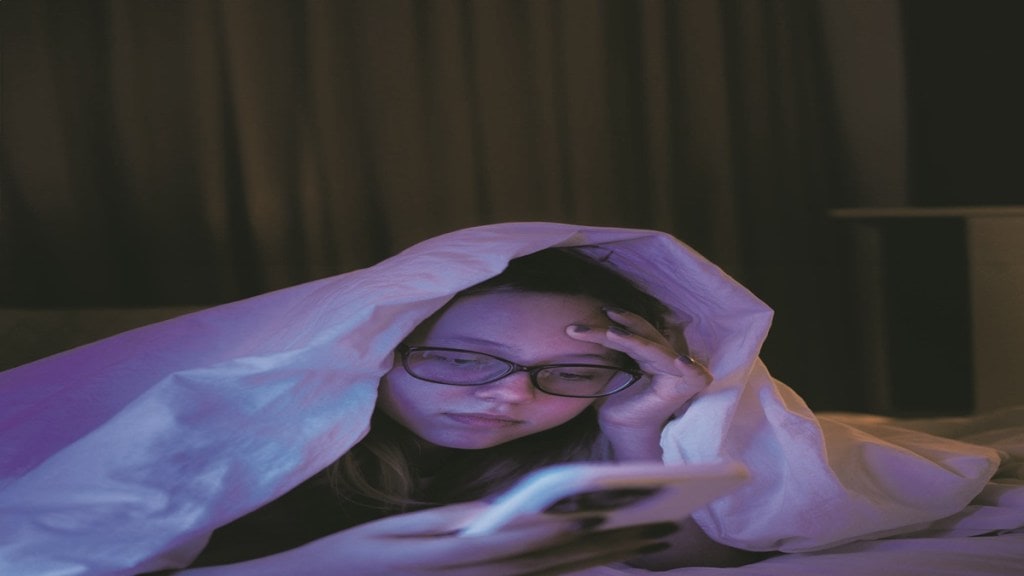
When it comes to the sleeping habits of Indians, there aren’t any good numbers to be proud of. As per the Great Indian Sleep Scorecard 2024, released by D2C sleep and home solutions provider Wakefit, half of the country wakes up feeling tired in the morning and a significant 58% of Indians reportedly go to bed only after 11 pm. Also, 25% Indians believe they are battling insomnia, and a staggering 88% wake up multiple times during the night. The situation is particularly worrisome among young adults as 48% of individuals aged 18 to 30 years were found to hit the sack way past the ideal bedtime.
It’s not as if people don’t know the importance of getting a good night’s sleep, but most of them, for some reason or the other, end up becoming a ‘night owl’. Prevalence of digital exposure such as social media and OTT has emerged as the top reason for 54% of Indians staying up late into the night. Rising stress levels, too, are a cause of concern. As per the Sleep Survey 2024 conducted by ResMed, a medical device company, only 27% of respondents in India reported having a good night’s sleep, in terms of both quality and quantity, each week. Work-related stress emerged as a significant barrier to sleep quality, with 42% of respondents attributing their sleep disturbances to job pressures.
Gen X, too, has not been found immune to late-night screen time, with 42% admitting to doom scrolling into the wee hours. On the other hand, 43% of those aged under 18 years reported being burdened by anxieties about the future for not being able to sleep on time.
Dr Aparna Ramakrishnan, consultant, psychiatry, Kokilaben Dhirubhai Ambani Hospital, Mumbai, says the reasons behind this growing menace are multifarious. “It can include factors like being overburdened by work, being only able to find ‘me time’ at the end of the day, use of smartphones to catch up on things missed during the day, finding non-hyper stimulating night-time more suited for productivity, as well as mental health issues like anxiety, stress, depression and mood disorders causing insomnia and repeated awakening,” she adds.
Studies have established the fact that sleeping late or not getting adequate sleep can have adverse health effects. According to a recent study by the European Association for the Study of Diabetes, late sleepers have a 46% higher risk of type 2 diabetes. Another recent study published by the American College of Cardiology says people who suffer from insomnia are 69% more likely to have a heart attack compared to those who don’t have any sleep disorder.
“Sleeping late once a while is not bad. However, if you are someone who consistently hits the bed late and ends up having less than the required amount of sleep, then you are inviting trouble,” says Manav Manchanda, director and head, respiratory, critical care and sleep medicine, Asian Hospital, Faridabad.
Experts say there is an ideal window to sleep as well as the number of sleep hours that one needs. Disrupting that even for a temporary period can have serious health effects, says Dr Manchanda. Here’s what can happen:
Circadian rhythm: Sleeping late disrupts your natural circadian rhythm, which is your body’s internal clock that regulates sleep-wake cycles. This misalignment can lead to delayed sleep-wake phase disorder (DSWPD), where your bedtime and wake-up time are shifted significantly later than desired. Individuals with DSWPD may experience symptoms similar to jet lag, such as low energy and daytime fatigue, because they are awake when their body signals are telling them to sleep. “Over time, this circadian desynchronisation can cause chronic sleep insufficiency and impair daytime functioning,” says Dr Vikas Mittal, pulmonologist, CK Birla Hospital, Delhi.
Hormonal effect: A disrupted sleep schedule affects hormones that regulate hunger and satiety. Late sleeping patterns increase levels of ghrelin (the hunger hormone) and decrease levels of leptin (the satiety hormone). As a result, you may feel hungrier and have more cravings for high-calorie foods, leading to overeating. This hormonal imbalance can make it difficult to control appetite, potentially contributing to weight gain and metabolic issues.
Eating patterns: When you sleep late, you’re more likely to eat at unconventional hours, which can lead to unhealthy eating habits. Late-night eating is often associated with a preference for calorie-dense and sugary foods. Additionally, the disruption of your natural eating schedule can lead to poor digestion and increased calorie intake, which may lead to weight gain.
Weight mismanagement: Due to hormonal changes and altered eating patterns, sleeping late is linked to an increased risk of obesity and metabolic syndrome. The body’s metabolism is optimised for daytime activity, and eating late at night can disrupt this process, leading to poor nutrient utilisation and fat storage. Consistently delayed sleep can thus contribute to gradual weight gain over time.
Work efficiency, memory, cognition: Poor sleep can severely impact brain function. Individuals may experience reduced alertness, difficulty concentrating, impaired memory, and slower cognitive processing. This can lead to decreased work efficiency, poor academic performance, and a higher likelihood of errors or accidents, both on the road and at work.
Mental health: There is a strong correlation between late sleeping patterns and mental health issues. Individuals with delayed sleep schedules often experience increased rates of depression and anxiety. The lack of sleep quality and the social consequences of being out of sync with the conventional day-night schedule can lead to feelings of isolation, mood swings, and overall reduced mental well-being. Doctors say beyond these health issues, sleeping late can have a range of other health consequences. “Disturbed immunity, increase in stress levels associated with physical and mental fatigue, irritability, depression, anxiety and psychosomatic disorder, disturbed endocrine (hormonal) cycles and disturbed metabolism are some other health effects of sleeping late,” says Dr Sameer Malhotra, senior director and head, mental health and behavioural sciences, Max Super Speciality Hospital, Saket, New Delhi. Dr Manchanda of Asian Hospital also points out that those who stay up late are more impulsive than their counterparts who go to bed early, making them more prone to drink and smoke.
Here are some other health issues that can happen because of poor sleeping habits:
Poor immunity: Chronic sleep deprivation from a delayed schedule weakens the immune system, making you more susceptible to infections.
Adverse cardiovascular outcomes: There is an increased risk of high blood pressure, heart disease, and other cardiovascular issues due to poor sleep patterns.
Chronic kidney disease: Sleep disturbances may contribute to the progression of chronic kidney disease by affecting kidney function and overall health.
Reduced quality of life: Individuals with late sleep schedules often report lower overall well-being, poor social functioning, and decreased life satisfaction.
Increased mortality: Chronic misalignment of the sleep schedule with natural circadian rhythms is associated with a higher risk of mortality in the long term.
So, what is the ideal time to sleep then? “Melatonin in the brain helps in sleep. The first wave of melatonin comes around 11 pm and the second around 3 am. Best time to sleep is around 10 to 10.30 pm. At least 6-7 hours of sleep is required by an adult,” says Dr Malhotra. The ideal sleeping window is approximately 2 to 4 hours after sunset, doctors say and generally agree that for most people, this translates to a bedtime between 9 pm and 11 pm and waking up between 5 am to 7 am. This aligns your sleep with your natural circadian rhythm, allowing you to wake up feeling more refreshed and energised.
Bed to better
- Go to bed and wake up at the same time every day, even on weekends. This helps regulate your body’s internal clock
- Expose yourself to natural morning sunlight which helps reset the internal clock
- Avoid looking at phones, tablets, or e-readers that emit blue light at least one hour before bedtime. Blue light can suppress melatonin production and delay sleep onset
- If your sleep schedule is significantly disturbed, then start adjusting it slowly—15-30 minutes earlier or later each day until you reach the appropriate sleep time
- Decrease fluid intake after 7 pm, to avoid several bathroom visits at night and take dinner by/before 9 pm or 1.5-2 hours before bed time
- Try to clear bowel/bladder before bedtime
- Take a relaxing bath with lukewarm water an hour before bedtime
- Consume coffee, tea, and other caffeinated beverages only in the morning. Avoid caffeine in the afternoon and evening as it can interfere with your ability to fall asleep
- Avoid alcohol and smoking —both can disrupt sleep quality. Refrain from consuming alcohol in the late afternoon or evening, and avoid smoking, especially before bedtime
- If it suits, try to have a cup of warm milk half an hour before bedtime or almonds, banana, chamomile tea as they promote sleep
- Create a sleep-friendly environment. Ensure your bedroom is dark, cool, and quiet. Remove electronic devices and any reminders of work or stress
- Engage in relaxation therapy, such as deep breathing, progressive muscle relaxation, or meditation, to unwind before bed
- Avoid watching the clock when in bed
- Aim to exercise several days a week but avoid vigorous physical activity (strenuous activity after 7 pm) right before bedtime
- If you need to nap, limit it to 20 minutes, preferably earlier in the day. Avoid long or late-afternoon naps as they can interfere with nighttime sleep
- Address underlying issues
- If stress, anxiety, or other psychological factors are affecting your sleep, consider working with a counselor or psychologist to address these issues