



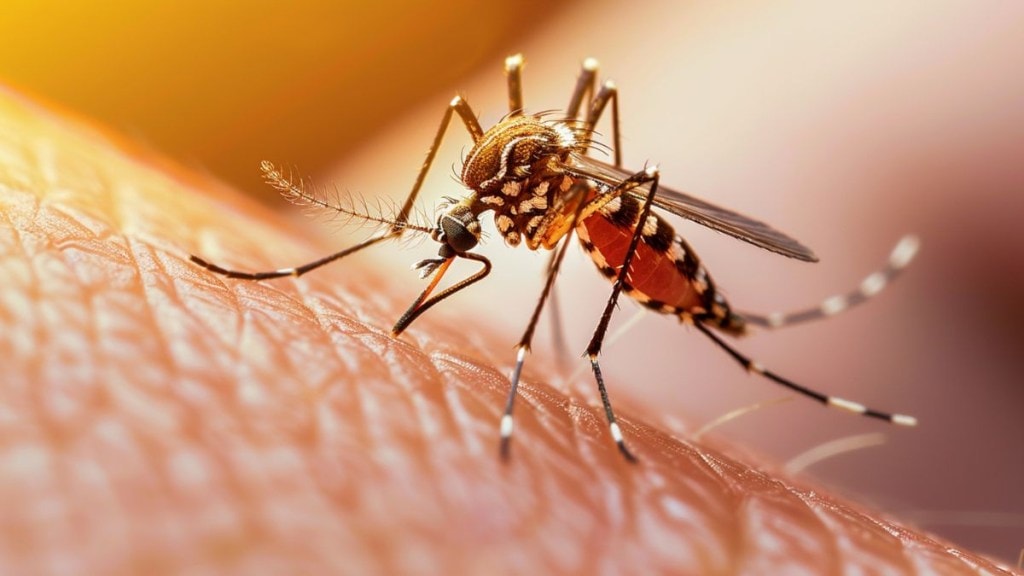
Malaria cases are once again on rise across the world. A new report from the World Health Organization (WHO) shows that the disease made a strong comeback in 2024. The rise has been linked to fast-spreading drug resistance, weaker health systems in many countries and a growing shortage of funds. The World Malaria Report 2025 warns that unless nations act together and act quickly, the progress made over the past two decades could be lost, and the disease may continue to rebound.
The report says an estimated 282 million people contracted malaria in 2024, which is about 9 million more cases than the previous year.
The disease caused around 610,000 deaths, with young children accounting for most of them. WHO officials say that multiple pressures from climate change to conflict are making malaria harder to control.
A sharp rise in Africa and South Asia
According to the report, 94 per cent of all malaria cases and 95 per cent of malaria deaths occurred in the African Region. Children under five remain the most vulnerable group, with the majority of deaths reported in this age bracket. India continues to carry the largest malaria burden in the WHO South-East Asia Region. The country accounted for 73.3 per cent of all malaria cases and 88.7 per cent of malaria deaths in the region in 2024.
While India has made progress, the report says densely populated areas and climate-linked shifts in mosquito patterns remain challenges. The WHO report reveals that new malaria-fighting tools have started to make a difference. Malaria vaccines, improved bed nets with dual insecticides and preventive treatments together helped prevent an estimated 170 million cases and 1 million deaths in 2024.
Twenty-four countries have already introduced WHO-recommended malaria vaccines into routine immunisation programmes. The report also shows long-term achievements including that 47 countries and one territory have now reached malaria-free status, including Egypt and Timor-Leste in 2025. Still, the WHO warns that these gains are not enough. Global progress has stalled since 2015, pushing the 2030 malaria reduction targets farther out of reach.
Why is Malaria on rise?
The report points to several overlapping reasons behind the rise in global malaria cases.
– Drug resistance is one of the most urgent concerns. Artemisinin-based medicines, which are the main treatment for malaria, are becoming less effective in several regions. Eight countries have reported confirmed or suspected resistance. This threatens to undo years of progress made with these drugs.
– Insecticide resistance is also spreading. Mosquitoes are no longer being controlled as effectively by the chemicals used in bed nets and indoor sprays, making it harder to stop transmission, especially in high-burden communities.
– A growing funding gap is another major factor.In 2024, global funding for malaria reached only $3.9 billion, far short of the $9.3 billion needed by 2025. Aid contributions from wealthier countries have dropped by about 21 per cent, making it difficult for many nations to sustain surveillance, treatment and prevention programmes.
– The report also notes the impact of population growth, climate change and ongoing humanitarian crises, which have expanded mosquito habitats and disrupted health services in several regions. Adding to the challenge is the expanding spread of Anopheles stephensi, a mosquito species originally found in southern Asia and the Arabian Peninsula. It has now been reported in nine African countries, raising the risk of malaria outbreaks in urban areas that were previously considered lower-risk.
Experts warn against losing momentum
WHO Director-General Dr Tedros Adhanom Ghebreyesus said the new numbers are a reminder that global progress is fragile. “Increasing numbers of cases and deaths, the growing threat of drug resistance and the impact of funding cuts all threaten to roll back the progress we have made over the past two decades. However, none of these challenges is insurmountable. With the leadership of the most-affected countries and targeted investment, the vision of a malaria-free world remains achievable,” he said.
WHO calls for immediate action
The report lists several urgent steps that countries need to take. It calls for more investment in new tools such as next-generation vaccines, better testing methods and improved ways to control mosquitoes. It also stresses the need for stronger surveillance systems to track drug-resistant malaria strains early, so countries can respond quickly and stop bigger outbreaks.
Another key point is sustained funding from governments and global donors, so that prevention and treatment continue to reach people who are most at risk. Dr Martin Fitchet, CEO of Medicines for Malaria Venture, said the world must act faster, adding that stronger surveillance and bold investment in new medicines are needed to make sure the parasite does not get ahead of us.
Experts say malaria control cannot depend on health systems alone. They call for broader partnerships across global health agencies, governments, research institutions, clinicians, civil society groups and local communities. With coordinated action and sustained investment, they believe it is still possible to protect the progress made so far and eventually eliminate the disease.