



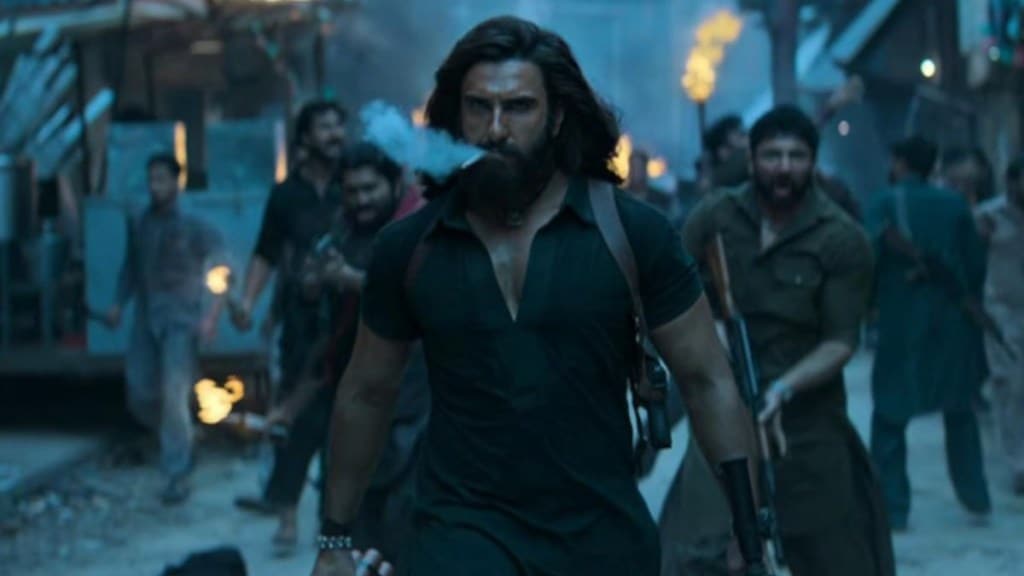
Dhurandhar ban: Ranveer Singh’s Dhurandhar has made huge waves at the global box office, nearing the Rs 300 crore mark. However, several Gulf countries have scaled back on the release of Aditya Dhar’s spy thriller and condemned its ‘anti-Pakistan’ content. As per a Bollywood Hungama report, the film’s release has been blocked in Bahrain, Kuwait, Oman, Saudi Arabia, the UAE, and Qatar.
While fans in India are raving about the viral performances by Akshaye Khanna, Sanjay Dutt, R Madhavan, and Arjun Rampal, they cannot stop praising the nationalism-driven theme. Dhar, best known for his film Uri: The Surgical Strike, gave a hard-hitting look at the strike carried out by the Indian Army and cemented his position in the genre as he went on to make films like Article 370.
Dhurandhar’s tryst with trouble
Earlier this week, the film was also slammed by Baloch leader Mir Yar. He took to social media and penned a long note condemning the portrayal of culture and tradition in the Ranveer Singh spy thriller. As the characters are seen chanting ‘Allah O Akbar’ in a scene, Yar pointed out and claimed that ‘Baloch are not religiously motivated’, and they had never collaborated with ISI to harm Indian interests.
Similarly, a source told Bollywood Hungama, “Bahrain, Kuwait, Oman, Qatar, Saudi Arabia, and the UAE have not released Dhurandhar. There were apprehensions that this would happen as the film is perceived as an ‘anti-Pakistan film’. Also, in the past, such films have failed to procure a release in this region. Yet, the team of Dhurandhar attempted, but sadly, all the countries did not approve of the theme of the film. This is why Dhurandhar hasn’t been released in any of the Gulf countries.”
The film, primarily set in Pakistan’s Lyari town, shows Ranveer Singh as Hamza Ali, who infiltrates the gang of Rahman Dakait, played by Akshaye Khanna. However, several speculations arose about whether Dhurandhar is based on a real-life incident. Ahead of the release, the mother of the late Major Mohit Sharma reportedly claimed that the story largely borrows from her son’s life. Claiming the lack of due credit, his family approached the Delhi High Court seeking clarification on the depiction. While the Central Board of Film Certification and the makers of the film clarified their inspirations, it was released without a delay.