



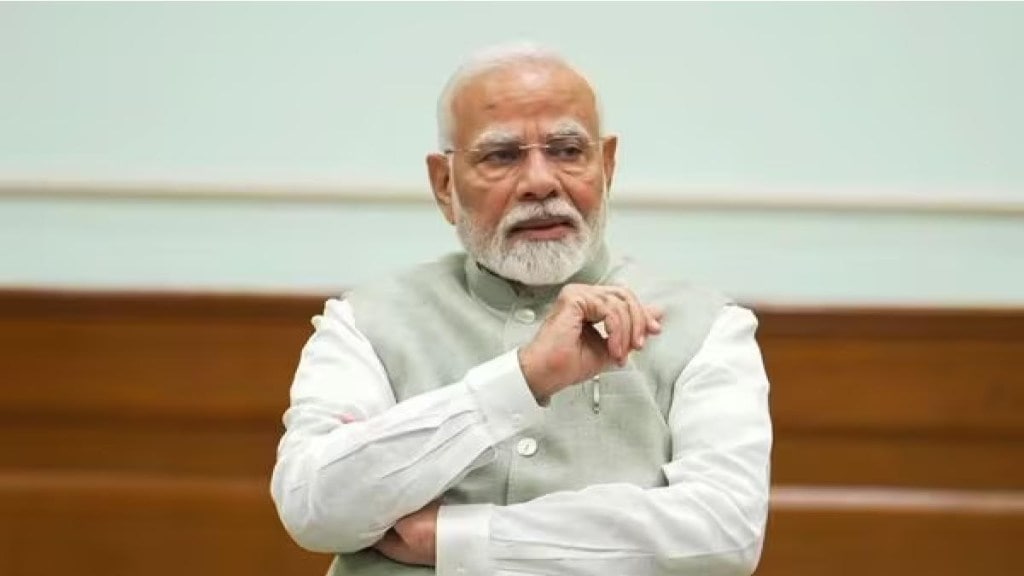
Prime Minister Narendra Modi will dedicate the successful implementation of three new criminal laws to the nation at an event in Chandigarh on Tuesday.
The laws – Bharatiya Nyayat Sanhita, Bharatiya Nagarik Suraksha Sanhita, and Bharatiya Sakshya Adhiniyam – replaced the colonial-era Indian Penal Code, Code of Criminal Procedure, and the Indian Evidence Act, respectively, when they came into effect on July 1, 2024, marking a significant reform in India’s legal system.
The event, scheduled for 12 noon, will showcase how these new laws are transforming the criminal justice system. A live demonstration of a simulated crime scene investigation will highlight their practical application, officials said.
PM Modi will be accompanied by Union Home Minister Amit Shah, and the event will take place in Chandigarh, which has fully implemented the new laws. Security arrangements for the event are tight, with additional police forces deployed and multiple checkpoints set up. Traffic in Chandigarh will also be restricted or diverted in certain areas.
The new laws, which aim to modernize India’s legal system, focus on enhancing transparency and efficiency while addressing contemporary challenges like cybercrime and organized crime. They represent a shift from punishment to justice, a key element of the Prime Minister’s vision to remove colonial-era laws that persisted post-independence.
The program’s theme, Secure Society, Developed India – From Punishment to Justice, emphasises this transformation. The laws aim to create a more efficient and adaptable justice system, ensuring fairness and justice for victims.
Union Home Minister Amit Shah had previously called the new laws the “biggest” reform in India’s 21st-century history, and said they would make India’s criminal justice system one of the most modern and technology-equipped in the world.
In addition to security arrangements, authorities have declared a “no-fly zone” over Chandigarh from Monday to Tuesday, citing emerging security threats. The no-fly zone will prevent drones and unmanned aerial vehicles from operating in the area, though exceptions will be made for law enforcement and authorised personnel.