



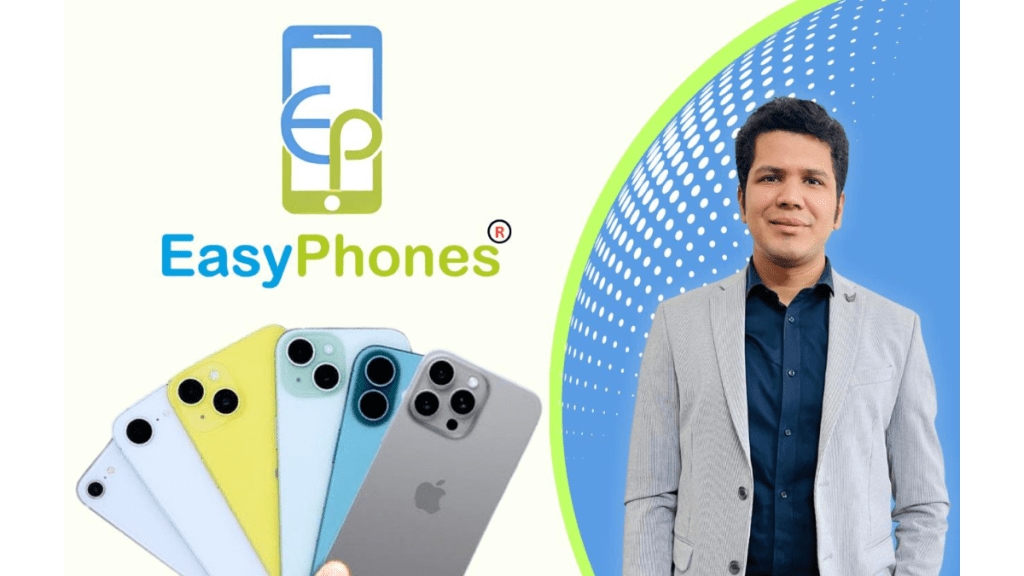
As India edges closer to a fully digital economy, the refurbished smartphone market is gaining momentum, driven by rising device costs, environmental concerns, and a growing demand for accessible technology. Among the players helping to shape this transition is EasyPhones, an Udaipur-based startup focused on refurbished mobile devices with no cost EMI.
According to a 2023 report by Counterpoint Research, India led the global market for refurbished smartphones, with a 19% year-on-year growth. The sector is projected to reach a value of $10 billion by 2026, outpacing the growth rate of new smartphone sales in the country. With affordability and sustainability emerging as key concerns, refurbished devices are no longer seen as a compromise but as a conscious choice.
Startups like EasyPhones are tapping into this shift. The company has reportedly delivered over 50,000 devices across India, operating with a model that includes technical refurbishment, device diagnostics, and post-sale support such as warranties and GST-compliant invoicing.
“There’s a growing realisation that our choices today directly impact the resources available to us tomorrow,” said Dev Chordia, founder of EasyPhones. He refers to this behavioural change as “smart sustainability,” noting that many consumers now value environmental responsibility alongside performance and price. Talking about the mission, Dev shares, “We get calls every day from people telling us it’s been their dream to own a premium smartphone. Being able to make that dream a reality without breaking the bank is a real success for us. It’s more than just a sale. It’s about enabling aspirations.”
“In a world obsessed with the latest, we decided to bet on like-new—because value doesn’t always come in a shiny box,” he says. “What most people are looking for isn’t the newest chip, they’re looking for performance, quality, and affordability.”
Environmental studies support this shift. Data published by Impakter suggests that choosing a refurbished phone over a new one can save over 77 kg (171.1 lbs) of carbon dioxide emissions—the equivalent of a one-way drive from Mumbai to Delhi. With electronic waste continuing to be a concern, such emissions savings represent a tangible environmental benefit.
Unlike informal second-hand sales, companies in this space employ structured refurbishment protocols, using diagnostic tools to assess and repair devices that may have been considered unviable just a year ago. This model combines tech innovation with circular economy principles, extending device lifespans while reducing the need for new production.
As high-end smartphones remain financially out of reach for many Indians, the refurbished market is playing a role in democratising access to digital tools. Experts suggest this trend will accelerate as digital inclusion becomes more central to India’s development goals.