



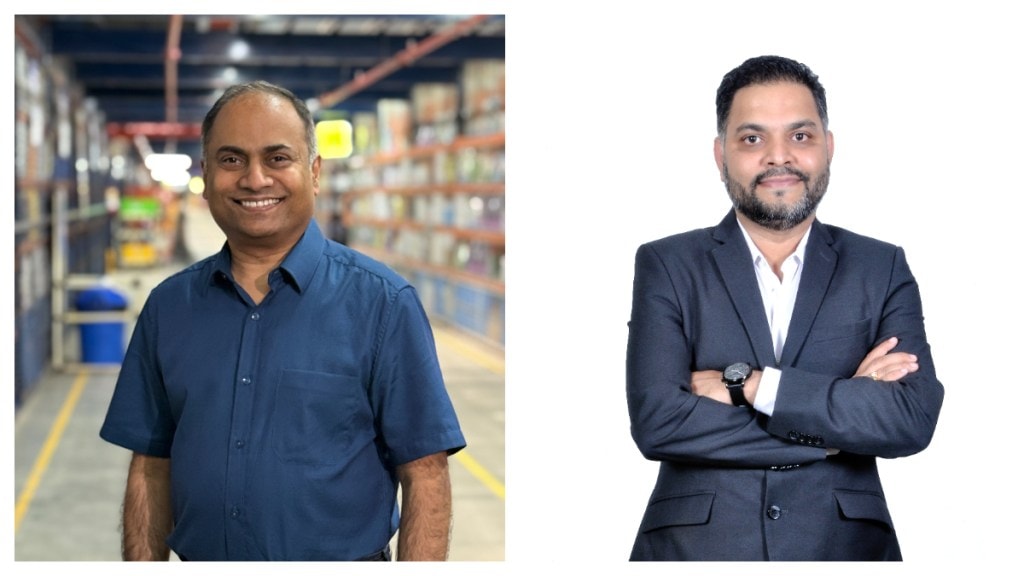
Flipkart Minutes, the quick commerce arm of Flipkart, plans to add around 500 new dark stores in the next three months. Hemant Badri, senior vice president and head of supply chain, customer experience & re-commerce, and Bharath Chinamanthur, SVP – supply chain innovation and seller experience, shared the company’s plans with Yaruqhullah Khan & Anees Hussain. Excerpts:
Q: Flipkart had a target of 800 dark stores by the end of 2025. Is it on track?
A. Yes, we are on track to meet the target of 800 dark stores, and now we plan to grow it to about 1,000 by March–April. The network already spans roughly 3,000 pincodes across 32 cities, with ambitions to reach 75–80 cities as expansion accelerates.
Q: How does Flipkart design the size and assortment of its dark stores?
A. Dark-store size and inventory are tailored by city, often ranging from 4,500 to 5,000 square feet in tier 2/3 locations to accommodate a wider selection. The assortment is driven by local buying and search behaviour, ensuring each pin code carries the specific vegetables, grains, rice, milk, and regional brands that residents actually consume.
Q: How is Flipkart’s existing e-commerce infrastructure helping Minutes scale?
A. Our presence in 21,000 pincodes, with fulfillment centres, sort centres, and ground teams, allows new Minutes facilities to piggyback on existing infrastructure. Once the first few pilot stores are stabilised, subsequent rollout can be 20–40% faster, with many customers ordering from day one because they already shop with Flipkart.
Q. How does the new labour laws affect your cost structure?
A. Gig workers are central to our massive people operation. We welcome the new labour framework, and compliance with the labour framework is non-negotiable. We will go beyond minimum requirements on health, safety and family well-being. We are also working with state governments to understand detailed implications and adapt policies, while keeping inclusion, equality and equity as core principles.
Q. What concrete steps is Flipkart taking to eliminate dark patterns across the platform?
A. Dark patterns are strictly non-negotiable on Flipkart’s platform. We use internal audits and consumer feedback loops to clean up customer journeys. We have already submitted formal responses to authorities explaining checks and balances, and that communications and pricing are designed for clarity.
Q. What is the kind of demand in terms of hiring that you see?
A. During the last festive season, we created about 400,000 seasonal roles, with many non-student workers continuing afterwards as demand remained strong. Short-term students and festive hires typically exit after 45 days, while others stay on as traction in tier 2/3 cities, and overall growth outpaces earlier expectations.
Q: Can Flipkart’s supply-chain intelligence be monetised for sellers?
A. We already share real-time trends, demand signals and discovery insights with marketplace sellers through our Seller Hub to help them plan inventory and grow. While assortment planning uses sophisticated forecasting science, the company framed this as part of a broader, tech-led ecosystem focused on helping MSMEs and entrepreneurs increase their businesses.
Q. You have removed additional charges like handling fees etc, after some of the other competitors did it. Is it a long-term offering?
A. Removing additional charges, such as handling fees and offering zero commission for items under Rs 1,000, is not a short-term customer acquisition tactic. Instead, it is positioned as a consistent, long-term lever to strengthen the flywheel by boosting customer delight, seller adoption and overall growth.