



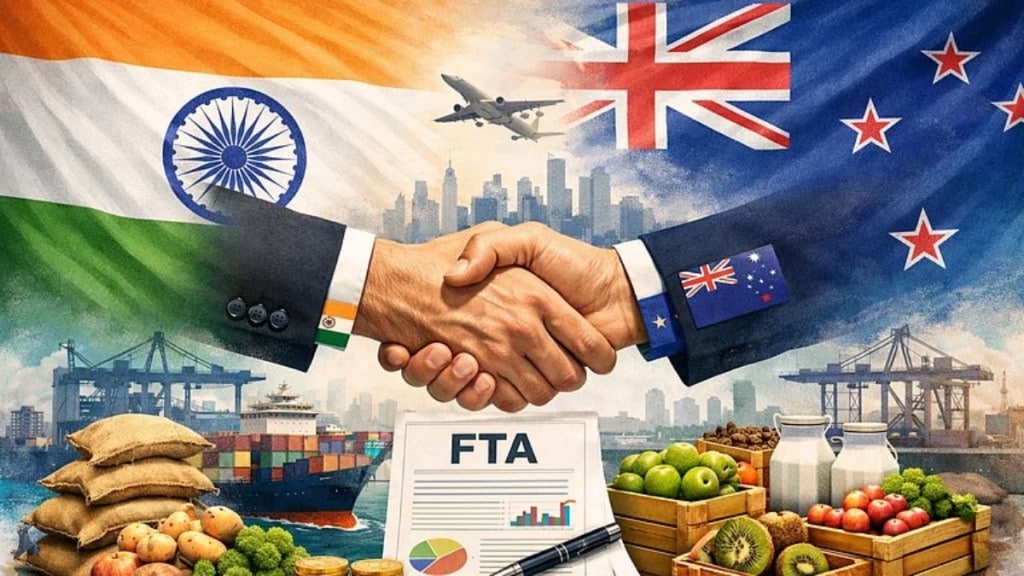
India has agreed to provide market access to New Zealand to selected agricultural commodities including apples, kiwifruit and manuka honey with tariff rate quotas (TRQs), minimum import price (MIP)and seasonal window imports.
So far, India has maintained a 50% duty on apple imports from all the supplying countries, which now has been slashed to 25% for import of the fruit from New Zealand.
Currently around 0.5 million tonnes of apples are imported annually by India, mainly from Turkey, Iran, Poland, and Italy.
Growth of apple imports from New Zealand
The applicable quota for apple import from New Zealand is 32,500 tonne annually which would grow to 45,000 tonne from sixth year onwards. The import windows will be during April 1 – August 31, which is considered a leand month as per the India’s domestic applied producer, with a MIP of $ 1.25/kg.
“The deal is linked to a cooperation plan and further collaboration between the New Zealand and Indian apple industries, which will see technical experts continue New Zealand’s longstanding history of supporting Indian growers with productivity and profitability improvements,” New Zealand Apples and Pears (NZAPI), representing pipfruit and kiwifruit industries said.
New Zealand has agreed to set up a Centres of Excellence in India for boosting productivity and quality of the fruits.
What about Kiwi?
For Kiwi fruit, India has removed the current duty of 33% with a TRQ of 6,250 tonne annually which would be rising to 15,000 tonne by six year onwards.
In the first year of the FTA, a quota of 1,000 tonnes of albumin is allowed at a concessional duty of 11% from the existing 22%.
New Zealand pears will also receive a 50% tariff reduction, which will be phased in over ten years to bring the tariff down to 16.5%, according to NZAPI.
Several agricultural commodities have been kept out of the purview of the treaty which include dairy products such as milk, cream, yogurt, cheese and vegetables products.
Despite being the largest producer of milk in the world with around 25% share, India’s dairy sector remains protected from duty concessions in all FTAs signed by the country due to its sensitivities involving small farmers.
Meanwhile, New Zealand foreign affairs and trade said “on dairy, the agreement includes a commitment to implement a dedicated fast-track mechanism to facilitate the supply of New Zealand products duty-free to India for further manufacturing and export.”
“This includes dairy ingredients and opens the door for greater collaboration and will create new opportunities for New Zealand exporters in India’s supply chains, including into its growing number of FTA partners,” according to the statement.
It also stated that ‘India has committed that should it offer dairy access to comparable countries in the future, it will consult with New Zealand on the prospect of extending similar treatment to us,”.