



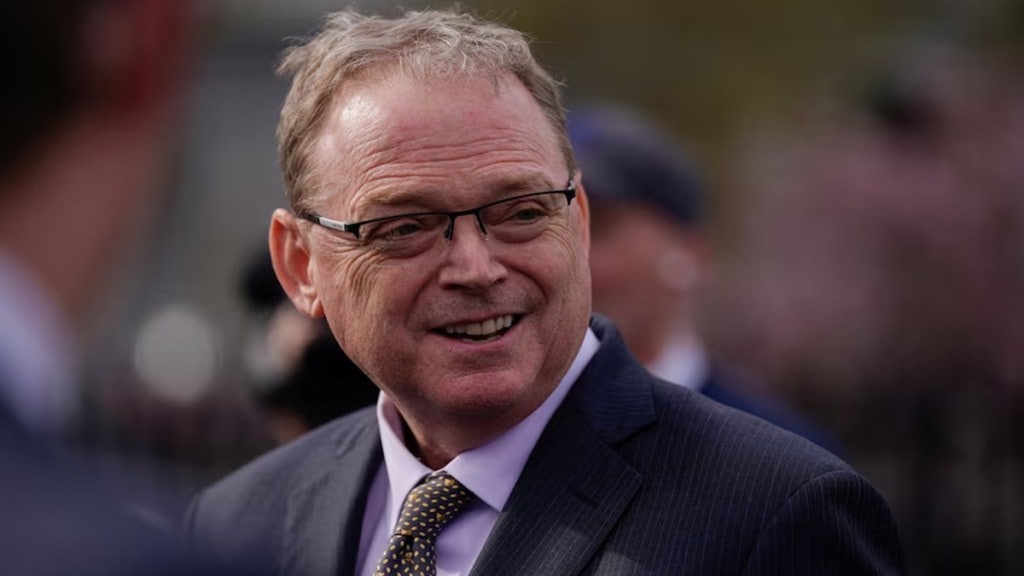
According to a CNBC Fed Survey, 84% of participants think that Kevin Hassett, who currently runs the National Economic Council, will be Trump’s pick for the next Federal Reserve Chair, but the survey also shows that he is not the respondents’ top choice. In fact, only 11% believe Hassett is someone that the US President should choose. Nearly half of those surveyed, around 47%, prefer Fed Governor Christopher Waller for the job, and 23% favor Kevin Warsh. Still, very few think Trump will actually pick either of them, with only 5% expecting him to choose one of those two candidates.
Why is there a lack of support for Hassett as next Fed pick?
The concerns center around Hassett’s commitment to Fed’s dual mandates and independence. In the survey, 76% said they expect the next Fed chair to be more “dovish” than Jerome Powell, meaning more willing to lower interest rates if the job market weakens and slower to raise rates even when inflation is above target. Around 51%, which is majority of the people, think the next Chair will likely try to fulfill Trump’s lower rates demand, while 41% believe the new Chair will act independently.
Strong disagreement on whether Fed should cut rates at all
For this week’s Fed meeting, most respondents expect what they call a hawkish cut, a rate cut followed by a pause. But there is strong disagreement over whether the Fed should cut rates at all.
Although 87% think the Fed will cut rates, only 45% think it should. Survey participants expect two officials to disagree with the move, and only 35% predict another rate cut in January.
Experts warn strong growth and sticky Inflation make rate cuts risky
Richard Bernstein, head of Richard Bernstein Advisors, told CNBC that the GDP is nearly 4%, inflation is still above the target, financial conditions remain easy, and global trade and labor ties continue to pull back. Because of this situation, he argued that it would be unwise to ignore the inflation risks that could come from cutting interest rates further.
Scott Wren from the Wells Fargo Investment Institute noted that the Fed is likely to cut rates in December, even though there is a solid case for leaving policy unchanged.
Economic growth expectations have improved, with forecasts showing about 2% growth this year and slightly more next year. Inflation is expected to stay above the 2% target for the next few years, the CNBC reported.
“Continued high inflation” has moved into the top spot on the list of economic risks, up from fourth place in October. The next major worry is fear that the AI boom could collapse.
Diane Swonk, chief economist at KPMG, told CNBC that many people are not recognising how much stimulus could come from unusually large tax refunds in early 2026, which means the risk of inflation staying elevated may also be underestimated.
The jobs outlook shows little weakness ahead, with unemployment expected to rise only slightly next year and then fall again in 2027.
Despite this, there are many who feel the Fed needs to cut rates because of actual or predicted weakness in the job market.
Worry around AI-related stocks but respondents expect gains
The report added that the survey participants expect the S&P 500 to rise about 6% next year and another 6% in 2027, even though worries are growing that AI-related stocks are in a bubble. Around 90% now believe AI stocks are priced too high, up from 79% in October, and they estimate these stocks are overvalued by about 21% on average. At the same time, 60% think the overall risk in US credit markets is somewhat high, an increase from 53% in October.