



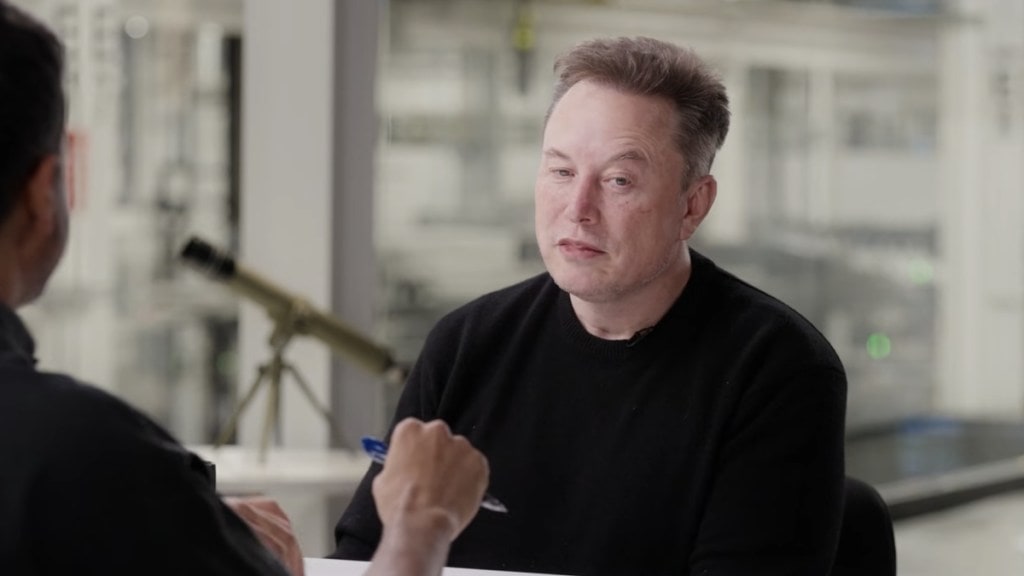
Elon Musk recently made his debut podcast appearance with Nikhil Kamath and didn’t hesitate to open up about a wide range of subjects — from jobs, India, and immigration to even his short stint under Trump 2.0. Earlier this year, Musk was appointed to head the government’s DOGE initiative, but it fizzled out soon after he exited.
During the podcast, Kamath quizzed him about his experience, where the Tesla billionaire described DOGE as “a very interesting side quest.” He said it gave him a rare glimpse into how government payments are handled and where the system can fail.
Elon Musk shares his DOGE lesson
When a Twitter user tried to sum up Musk’s lessons from the initiative, which was launched to cut government waste, reduce costs, and speed up federal operations, Musk couldn’t help but react with a “Seriously,” reiterating his point.
He explained that some of the improvements were surprisingly simple but had a huge impact. For example, requiring each federal payment to have a congressional payment code and a comment field with more than nothing might seem minor.
But Musk estimates that these small changes could save $100 billion to $200 billion a year. “Many payments went out without proper codes or notes,” he said. “That makes audits impossible. If you ask why a department can’t pass an audit, it’s usually because the necessary information just doesn’t exist,” he said.
“A bunch of things DOGE did were just very common sense, things that would be normal for any organisation that cared about financial responsibility. That’s most of what was done,” Musk said.
Musk added that DOGE is still happening, but the only problem is, “ when you stop fraudulent and wasteful payments, the fraudsters don’t confess to this.”
🚨NEW: @elonmusk reflects on what DOGE taught him🤣🐼
— Jason Cohen 🇺🇸 (@JasonJournoDC) November 30, 2025
"It was like a very interesting side quest."
"Fraudsters necessarily will come up with a very sympathetic argument. They're not going to say, 'Give us the money for fraud.'"
"It's going to be like the 'Save the Baby Pandas'… pic.twitter.com/nRihAUNKH2
When fraudsters fight back
Musk also talked about the challenges of stopping waste and fraud. “When you stop fraudulent payments, the people behind them don’t admit it,” he said. “They actually start yelling all sorts of nonsense that you’re stopping essential payments to needy people. But actually, you’re not.” Instead, they create stories to make their actions sound sympathetic.
“It’s like the ‘Save the Baby Pandas’ NGO. Who doesn’t want to save baby pandas? They’re adorable,” Musk said. “But then it turns out no pandas are being saved. It’s just corruption.”
He added humorously, “And you’re like, ‘Can you send us a picture of the panda?’ They say, ‘No.’ And you think, well, how do we know it’s actually going to the pandas?”
Musk even gave an example of money allegedly meant for children in Africa. Instead of reaching them, the wiring instructions led to a major consulting firm in Washington, DC. When Musk and his team tried to contact the actual recipients, they were met with silence. “We just want to talk to the recipients, that’s it,” Musk said. “But for some reason, we couldn’t.”