



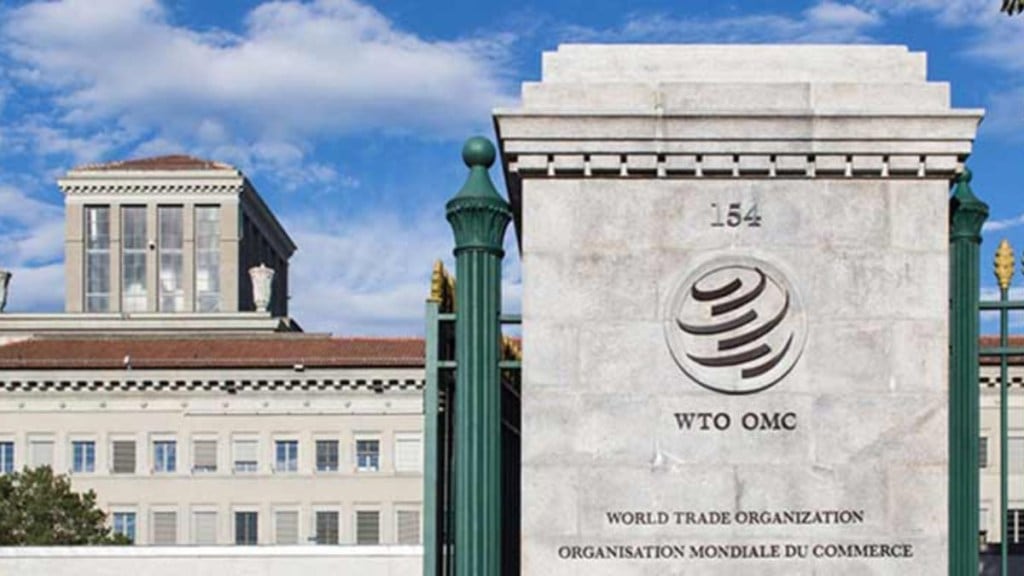
China has challenged India’s Production Linked Incentive (PLI) Scheme for photovoltaic (PV) solar cells, modules, duties on smartphones, semiconductors and their machinery at the World Trade Organisation (WTO).
The PLI and the duty structure that have been challenged is part of the government’s bouquet of schemes intended to make India a global base of emerging areas of manufacturing.
China requests for consultations with India
In a communication to the trade watchdog making assertions that these programmes and duties discriminate against Chinese products, China has sought consultations with India on the measures at a “mutually convenient” date. China had approached WTO with the Request for Consultation with India on December 19 and on December 23 the request was circulated to WTO members, according to a statement by the world trade watchdog.
The Request for Consultation is the first and most crucial stage for dispute resolution at the WTO. If consultations fail, the complaining country can request the establishment of a panel to probe the complaint. After hearing all the sides the panel issues its recommendations that are put before Dispute Settlement Body (DSB).
Decoding China’s claims
The crux of the objections raised by China to PLI in PV solar modules is that ,”certain measures adopted by India that are contingent upon the use of domestic over imported goods or that otherwise discriminate against goods of Chinese origin.”
The PLI schemes selects beneficiaries and extends support to them on the basis of extent of Local Value Added (LVA) in the production of solar modules. The higher the LVA, the greater the incentive.
According to China, India’s PLI for solar modules is against the provisions of GATT, Trade Related Investment Measures Agreement (TRIMS) and Subsidies and Countervailing Measures (SCM). The GATT provision which China has said India’s programme violates is according less favourable treatment to imported goods.
TRIMS stops countries from using investment policies that favour domestic producers over foreign producers through local content rules or other such measures.
The IT products on which import duties and Agriculture Infrastructure and Development Cess (AIDC) have been challenged include smartphones, machines and apparatus for manufacturing semiconductor devices, flat panel displays and other machines used at the different stages in electronics manufacturing.
While countries can continue to raise disputes at the WTO, the trade regulator’s dispute settlement system is broken as the Appellate Body – the final court of appeal is non-functional since 2019. This is because the US has blocked appointment of new judges to this body. So even after the disputes are decided by the Dispute Settlement Body (DSB), the appeals cannot be taken up. This results in all disputes ending in a limbo.