



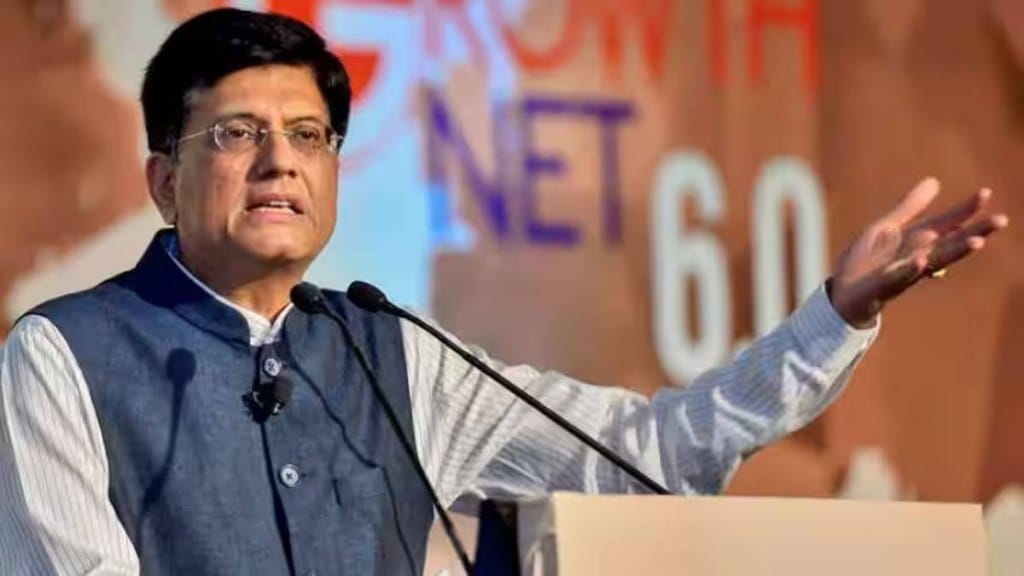
Union Minister Piyush Goyal, representing Mumbai North in the Lok Sabha, has unveiled an ambitious agenda for 2025. With a focus on slum redevelopment, fast-tracking infrastructure projects, and enhancing tourism, Goyal aims to significantly transform the urban landscape of his constituency.
One of the minister’s key priorities is slum redevelopment, with plans to provide permanent, high-quality housing to residents in the same location. Goyal emphasised the urgency of the project, stating that the initiative is already underway and will bring much-needed stability and dignity to the lives of those in slum areas.
Infrastructure Development: Roads and Railways
To enhance connectivity and ease of living, Goyal has accelerated work on road extensions and railway upgrades. In his constituency, four railway stations, including Kandivali, are slated for development under the Amrit Bharat Station Scheme (ABSS). This program aims to upgrade stations with a long-term vision to improve the commuter experience.
Additionally, the much-anticipated Harbour Line extension to Borivali, announced last year, will soon begin. This project promises to provide significant relief for commuters travelling between North Mumbai and Navi Mumbai.
On January 4, Goyal will convene a meeting with heads of relevant departments to evaluate the progress of these projects. An action-taken report will be reviewed, and for unresolved issues, a time-bound action plan will be implemented to ensure accountability and timely completion.
Promoting Tourism in Mumbai North
Recognising the tourism potential of Mumbai North, Goyal is exploring ways to highlight the area’s natural attractions, including the Sanjay Gandhi National Park and the scenic coastline. These efforts aim to boost local tourism and create economic opportunities for the region.
Goyal’s plans reflect a commitment to transforming Mumbai North into a modern, sustainable urban hub. By addressing pressing issues like housing, infrastructure, and tourism, he seeks to improve the quality of life for residents while fostering long-term development.
As these initiatives take shape, Mumbai North residents can look forward to a more connected, livable, and vibrant constituency.
(With agency inputs)