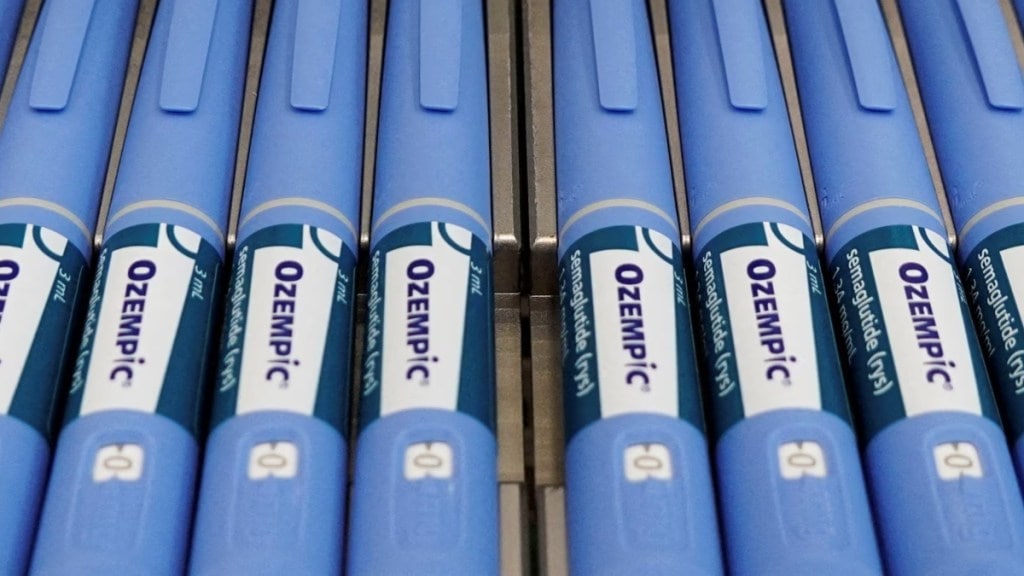
Danish drugmaker Novo Nordisk’s launch of Ozempic, its weight-loss drug, has sparked a debate on the happenings in the weight-loss medication market and what to expect. That the Ozempic launch, which to many has become synonymous to weight-loss has been launched after its biggest competitor Eli Lilly taking an early mover advantage in India having launched its weight-loss drug Mounjaro. Novo Nordisk followed it in India with the launch of its Wegovy, also a weight-loss drug. Now, with the spotlight on its widely talked about weight-loss drug Ozempic, the questions doing the rounds among medical professionals and patients has widened across the need, the pricing and the prospects in the days and months ahead on the medication options.
This writer spoke to leading experts in diabetes and cardiac care. A link node running across was the concern on obesity, which in turn is responsible for multiple diseases – from hypertension to heart failure. Every disease triggered by unhealthy lifestyle can be dealt in a better fashion if people reduce their weight. For the simple reason that disease progression goes down, the load on the heart reduces, heart function improves, blood pressure gets more manageable and interventions for diabetes with severe medications reduce.
Dr Devi Shetty, leading cardiac surgeon and founder of Narayana Health says this about the weight-loss drugs like Ozempic and others: “These are all really new drugs but the fact that millions of people worldwide are on this drug make it one of the few medications globally that has found extensive use in such an early phase. This adds some comfort on the short -term serious side effects since, given the wide usage, they would have been known by now. However, it is still too early to say on the long-term side-effects as we will need to wait and watch for another couple of years to note any long-term side effects.”
So, who should be ideally taking this medication. According to Dr Devi Shetty, weight-loss medicines would be ideally most suited for those who are really overweight, as in 120 kilos or more, where chances for weight-loss with dietary management alone may not be easy. But even there, it has to be with caution and taken in a time-bound fashion after consultation with their doctor.
On the dangers of a rampant and reckless use of the weight-loss drug, physicians feel, the chances could be dim here since these are all expensive medications where most patients are likely to first consult their doctor.
Dr V Mohan, founder of the eponymous chain of diabetes care centres Dr Mohan’s Diabetes Specialities Centre calls it an “important development from the perspective of India as there are large number of people who need it given that India is a diabetes capital and obesity is a growing concern and this is a medication that is a weight-reducing drug,” he says. Also, “the reason, this weight loss drug is gaining importance and will be needed in the Indian context because the alternative is use of insulin which tends to lead to weight-gain as against weight loss in this case.”
But then, he feels the added attraction of weight-loss medication is that it is now approved for other ailments like fatty liver, heart problems apart from obesity and diabetes. The USFDA for instance, has approved the use of drug for other ailments like fatty liver, which is an increasing problem in India.
Dangers of side effects
On the dangers of side effects and adverse reactions, partly perhaps triggered by rampant usage? “Whichever indication you give it for, there are bound to be some side-effects. There are some common side-effects like nausea and vomiting for any of the medicines in this class.
The more serious side-effects seem to be very rare albeit be have not yet seen any of these thus far from India. When large number of people start using the drug, there will perhaps be cases of side-effects. Compare this in some sense to COVID vaccination,” he explains, where there was almost an entire nation taking the vaccine and “we did hear of few experiencing adverse side-effects but then, had the vaccine not been there, perhaps the fatalities would have been many more.”
What to expect?
On the debate around pricing and what to expect considering that the drug is expected to go off-patent and many companies are already planning to launch the generic versions? Dr Mohan feels, “that there is focus on price reduction is good for the consumer and for India. Novo Nordisk has brought down the price substantially in India, I gather it is close to 40 per cent reduction in price. Sold in a pen format with a starting price of Rs 8,800 for 0.25 mg dose per week.
But then, with competition from generic drug manufacturers, Indian consumer could see a further fall in prices. “I hear that over 20 Indian companies are already planning the launch the generic version as soon as the patent for the drug runs out in March,” he says and this, to him, “may have perhaps been a reason why the company has opted to reduce the price in India.”