



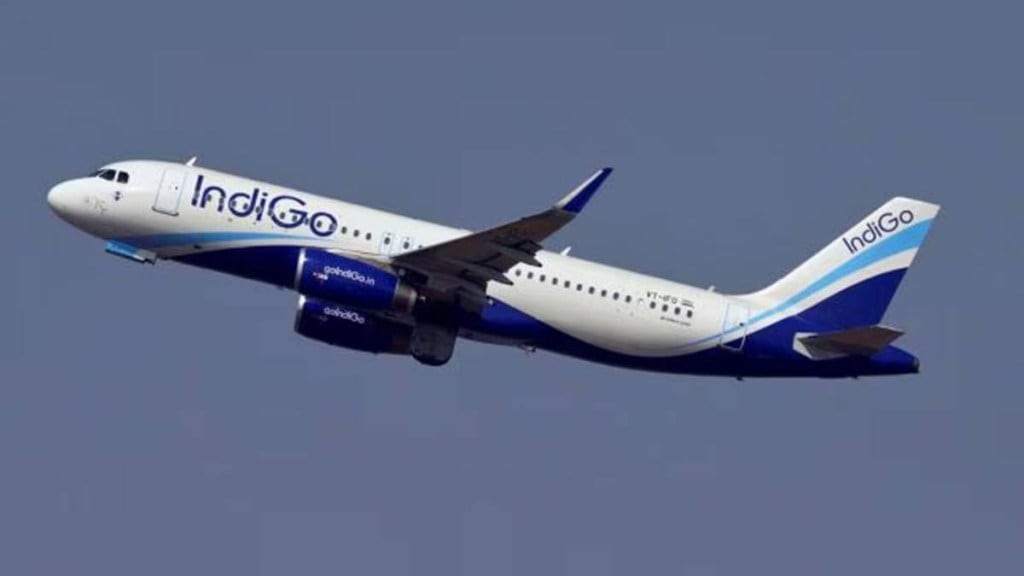
With the crisis at IndiGo showing no signs of abating and the airline cancelling more than 300 flights on Thursday, the carrier is scrambling to put in place interim measures as acute crew shortage, due to new duty-time rules, stretches its operations to breaking point. Sources said that the airline is likely to make some planned cancellations to restore normalcy in its operations.
The disruptions, which is the worst in recent years for the carrier, escalated sharply after over 200 cancellations on Wednesday, sending IndiGo’s on-time performance at six major airports plunging to 19.7%, far below competitors such as Air India, which remained near 67%. IndiGo typically operates around 2,300 flights a day.
The company’s shares fell 2.25% on BSE to close at Rs 5,466.55.
According to industry sources, the core trigger is the rollout of the second phase of the Flight Duty Time Limitation (FDTL) norms from November 1, for which the airline did not adequately prepare. The revised rules mandate 48 hours of weekly rest, extend night hours, and restrict night landings to only two instead of six. IndiGo’s rostering systems have not been able to absorb these changes, resulting in a cascading shortage of cockpit crew at the start of the busy winter season.
The pressure on operations has prompted IndiGo to reach out to its own pilots and first officers with a leave-buyback offer at about 1.5 times the per-day gross salary, applicable for leave blocks between January 1 and February 3, 2026, according to reports.
What did IndiGo CEO say?
In a message to employees on Thursday titled ‘Stronger together’, IndiGo CEO Pieter Elbers acknowledged that the airline had fallen short of expectations. “We serve close to 380,000 customers a day and want each of them to have a good experience. We could not live up to that promise these past days and we have publicly apologised for that,” he wrote.
He said a combination of pressures — “minor technology glitches, schedule changes, adverse weather conditions, heightened congestion in the aviation ecosystem, and the implementation of the newly released FDTL norms” – had created a negative compounding impact on operations.
“Given the size, scale and complexity of our network, these disruptions grow large immediately and require interventions on multiple levels. Our immediate goal is to normalise operations and bring punctuality back on track, which is not an easy target,” Elbers said, adding that IndiGo had weathered tough moments before. “This moment will be no different.”
On Wednesday, the airline said it had begun calibrated schedule adjustments for 48 hours to restore stability, including cancellations and rescheduling. Thousands of affected passengers have taken to social media complaining of being stranded at airports for up to 24 hours, alleging unresponsive staff and inadequate information.
DGCA’s response to IndiGo
The Directorate General of Civil Aviation (DGCA) has sought a detailed explanation from IndiGo on the disruptions and its plan to restore normal operations. Senior airline executives were called in for meetings on Thursday, sources said.
Meanwhile, pilots’ associations have placed the blame squarely on the airline’s planning. The Federation of Indian Pilots (FIP) and Airline Pilots’ Association of India (ALPA) have alleged that the current turbulence is a direct consequence of IndiGo’s lean manpower strategy and delayed preparation for the new duty-time norms.
In a strongly worded letter to the DGCA, FIP said IndiGo, despite a two-year preparatory window for the FDTL rollout, had “inexplicably” imposed a hiring freeze, maintained pay freezes, and entered non-poaching arrangements instead of scaling up staffing.