



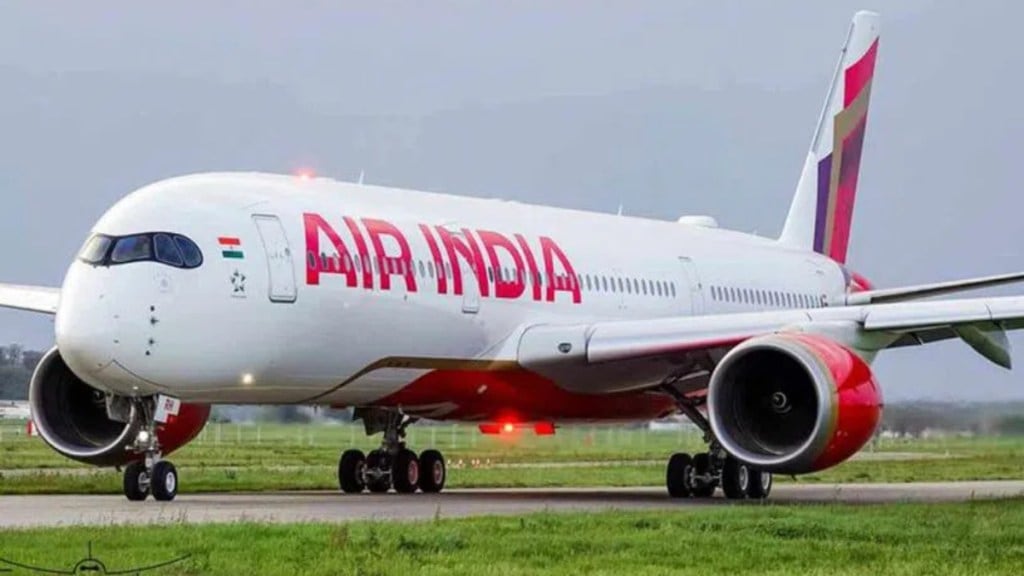
Air India, despite operating just 181 aircraft, has more pilots on its rolls than IndiGo, which manages a much larger fleet of 430 aircraft. The imbalance, highlighted in data presented in Parliament on Monday, reflects differing operational requirements rather than disproportionate hiring practices, experts said.
The gap stems primarily from the types of aircraft each airline flies. Air India currently operates 63 wide-body aircraft, which require significantly larger flight crews. Unlike single-aisle aircraft such as IndiGo’s Airbus A320 fleet — which typically need one captain and one first officer per flight — wide-body aircraft used for long-haul operations need at least two captains and three first officers, depending on flight duration. Ultra-long-haul routes demand even more augmented crews to comply with duty-time limits, and pilots must also rest before operating return legs, further increasing staffing needs.
Wide-body fleets are also more complex to operate, requiring longer training cycles and specialised type ratings. Narrow-body fleets, by contrast, allow faster conversion between variants and require fewer incremental hires.
How many pilots are employed across airlines?
According to figures shared in the Rajya Sabha, Air India employs 6,350 pilots, followed by IndiGo with 5,085, and Air India Express with 1,592. The Civil Aviation Ministry estimated that Indian carriers collectively employ between 14,000 and 15,000 pilots. However, it did not disclose how many CPL holders remain without jobs or type-rating opportunities — an issue industry associations say affects several hundred candidates annually.
Responding to questions on unemployment and concerns over the hiring of foreign pilots, Minister of State for Civil Aviation Murlidhar Mohol said recruitment remains market-driven, and airlines bring in expatriate pilots only when specific type-rated expertise is required for rapid induction of new aircraft.
Govt on improvements in training facility
The government also noted incremental improvements in flight training capacity, including the approval of two new Flying Training Organisations and the induction of 61 additional training aircraft this year. India currently has 40 DGCA-approved FTOs across 62 locations, though infrastructure modernisation remains dependent on private operators.