




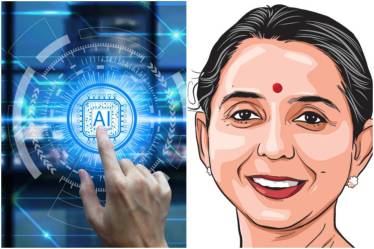
Will AI enable social disparities to become narrower or will it spur more divide in the society is an important question being debated by economists and sociologists. The general consensus pundits are veering towards is that AI is unleashing significant generational change, the extent of which has not been experienced in recent times. The big impact is going to be in the realm of jobs.
There would be displacement of jobs that are routine and repetitive in nature and involve low skills. Low skills and low income have traditionally been observed to go hand in hand. Nations or corporations taking the lead in AI investments would realise benefits as early movers but this could be fuelling inequality across nations. Benefits from such initiatives are likely to get concentrated in the hands of a few entities and countries, dominating the rest of the world.
How will AI help in bridging the inequality gap
Further, AI algorithms carry racial, location and gender biases that have been found to be working against the interests of marginalised communities. Thus already existing biases against such communities that have been robbed of their economic wellbeing have made matters worse for them with the advent of AI models that carry similar inbuilt biases. AI is also driving more benefits to those residing in urban locations as compared to rural areas. If this trend continues, there could be social turmoil and resentment against AI which policy planners have to be cognisant about.
While AI could lead to an increase in the gaps between the haves and the have-nots, it also has the potential to enhance access and reduce costs for the citizens. Healthcare, education, farming, financial services are some examples where AI is expected to deliver significant positive outcomes. With the help of AI solutions designed to deliver customised and localised services based on the needs of hyper local communities, it is possible to broaden the coverage and scope of services, thus bridging the inequality gap. Redistribution of wealth created by AI-led investments amongst the needy and providing them with the state-led social infrastructure are novel ideas under deliberation.
Govt role in reskilling the workforce
Proactive government policies to consciously plan and implement equitable AI-driven solutions is crucial. Active role of governments in reskilling the workforce and in putting in place the required framework to create awareness and capabilities amongst the citizens of the country from the early school years would help in narrowing the AI divide. Focus has to be on how to influence outcomes and this starts with the inclusive design for AI led solutions – one that is built around overcoming biases and minimising inequality as top of its agenda.
Some of the key tenets of AI models: establishing ethical standards for global collaboration, democratising AI knowledge by encouraging diverse voices to influence outcomes and prioritising human dignity over efficiency. Together, these could help bridge the inequalities arising out of proliferation of AI implementation.
The writer is chairperson, GTT Foundation.


