



By: Pritesh Mahajan, Co-Founder, and CEO-Revamp Moto
Mobility is switching sides completely, and what we are witnessing right now is a big change that is completely moulding the global transportation industry. Electric Vehicles, autonomous vehicles, shared mobility etc are bridging the gap between the past and future to create a seamless transition between technologies that everyone needs at the moment. Moreover, industry leaders and governments across the world have also joined hands to create an energy-efficient environment for people by 2030 in order to achieve the Sustainable Development Goals (SDGs) and meet the objectives of the Paris Climate Change Agreement.
However, as we enter 2023, the timeline for this is only getting shorter, and leaders around the world need to collectively take crucial decisions that form the foundational pillars for the future of mobility. This implies an added responsibility for a country like India, considering the massive population and current transportation ecosystem.
Moving towards a holistic change
For India, the shift from traditional fuel to its contemporary alternatives has already begun and startups in all areas are contributing to bringing in this consistent change. As innovation within the industry improves, so does the mindset of major end-users. Today, people are more educated about the environment and they realise the importance of switching to a more sustainable lifestyle. The growth of EVs and futuristic mobility options in the country are thus a testimony to the same.
Naturally, it will take a while for the mass population to be able to adapt to this, but even as we say that the country’s transportation strategies are one that needs real and immediate attention.
Personal Mobility v/s Evolved Mobilisation
When it comes to urban travel, a development in intra and inter-city transportation strategies for sustainable mobility is critically important for India. With the increase in migration to urban cities and its subsequent effect on mobility requirements, policies have to move from catering to personal mobility and changing it to a more personalised mobility solution.
Essentially, this reflects how the focus needs to move from privately owned vehicles to shared mobility or pay-per-use along with switching to contemporary formats like easily accessible options for energy-efficient public transport, autonomous and multi-purpose vehicles.
Road Infrastructure
A big contributor to transportation strategies includes building systematic and efficient road infrastructure. Building dedicated routes for ecological transportation like bicycle routes, EVs motorcycles, public transport etc will encourage users to opt for them. Bicycle routes
Not just this, establishing a logistical solution to create a smooth traffic management system is also equally important to the future of mobility. Additionally, for urban cities, parking facilities are another crucial aspect of revamping transportation in the country.
Fuel alternatives and charging infrastructure are the foundations of city travel.
When we speak about the revolution sustainable mobility brings, the fact that it cannot reach its full potential without having the right infrastructure is an important aspect to consider. Industry leaders are constantly working towards researching and developing fuel alternatives for the future of mobility. This includes Lithium-ion Battery Production, Solar-Based EV Chargers, Bio-Fuel etc.
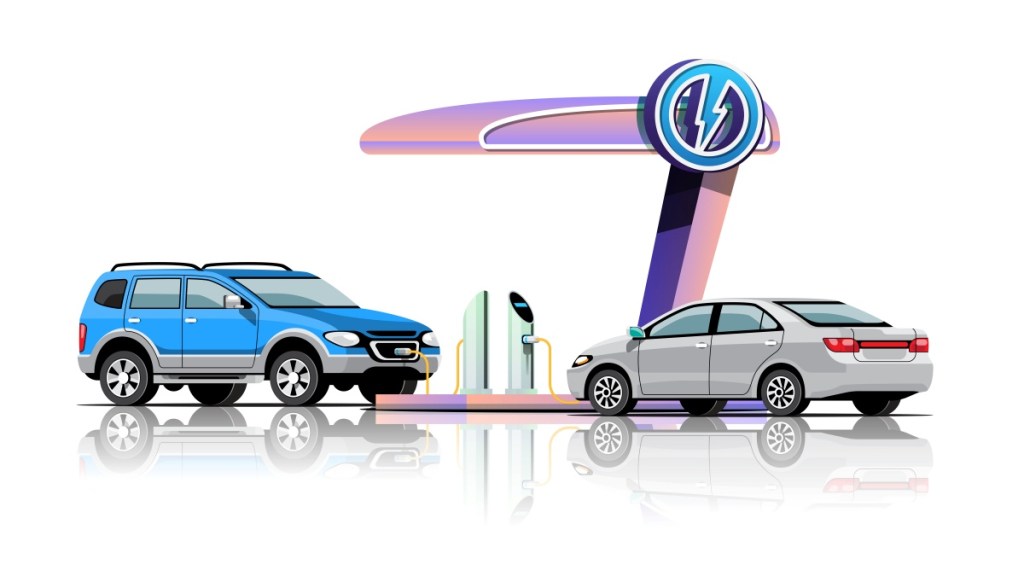
However, the government needs to speed up the process of developing charging stations at frequent intervals in order to make this a common sight and encourage users to opt for sustainable fuel vehicles.
Implications for contributing industries
A direct implication of these cutting-edge technologies driving sustainable mobility falls on the health and security sector. It encourages adopting new policies for health insurance and switching up road safety regulations that protect the end user. All of these together will contribute to the future the transportation industries and governments at large envision.
The author is Pritesh Mahajan, Co-Founder, and CEO of Revamp Moto
Disclaimer: Views expressed are personal and do not reflect the official position or policy of Financial Express Online. Reproducing this content without permission is prohibited.


