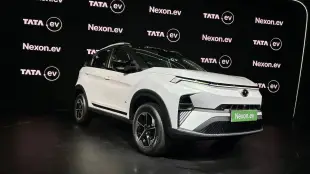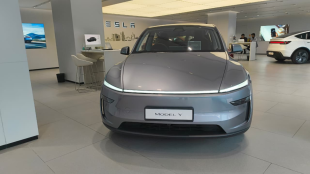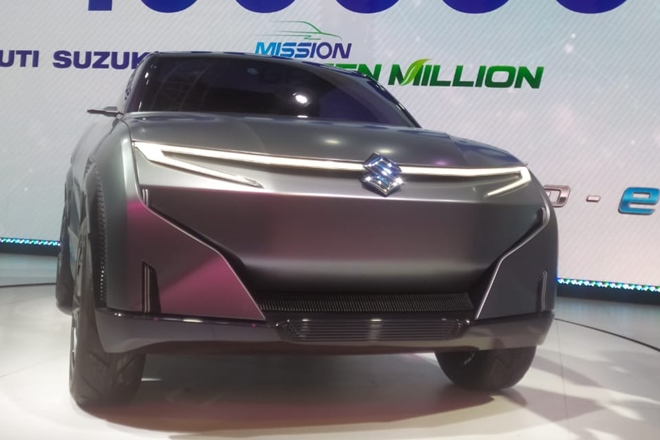
At the Auto Expo 2020, there was not even a single unveil of a sedan—Mercedes-Benz did showcase the AMG GT 63S coupe and A 35, but these are not traditional sedans—and even the hatchback cars at the Expo (like the new Maruti Suzuki Ignis) were heavily inspired by the SUV body shape.
So, why is the world, including India, falling in love with the shape of SUVs?
Top automotive executives argue that, amongst all body types, the SUV is the most practical as a people carrier—as compared to a similarly-sized sedan, it has more cabin space, is highly customisable, and egress and ingress is easier. Globally, sedans are popular in China and the US, pick-ups in South-East Asia and America, hatchbacks in Europe, but SUVs are strong everywhere.
Pratap Bose, vice-president, Global Design, Tata Motors, says that an SUV offers a unique sense of presence to a customer. “I foresee that, in 5-7 years, there will be an SUV body shape in India at every size and every price.”
SUVs have an emotional function, too. “They make you feel stronger. You sit higher, have a better view of the road, and you feel safer in an SUV, even if it’s a compact SUV,” adds Bose.
CV Raman, the head of Engineering at Maruti Suzuki India, says that the segment share of sedans and hatchbacks is not improving, but SUVs are a different story. “SUVs are the flavour of the Auto Expo 2020. The Futuro-e concept we’ve showcased, if you notice, has SUV/crossover proportions,” he says.
Minchul Koo, vice-president, Design, Hyundai Motor Company, says that SUV is a body shape that appeals to buyers globally. Hyundai India, in fact, is the biggest SUV player in the country in terms of sales—it sells about 20,000 of these every month (Venue, Creta and Tucson). “In many cultures, a car represents your social status, and practicality is important, too. SUVs serve both the functions well. Coupe-style SUVs are the next big thing—that’s why crossovers are getting popular,” Koo says. On the practicality aspect, Koo adds that SUVs have evolved hugely. “Over the years, they have become lighter, more spacious, more comfortable, and you get more car for your money.”
Kia Motors India chose an SUV for its India entry last year, the super-successful Seltos, and later this year it’ll launch the Sonet SUV. Lorenz Glaab, vice-president, Product Management Sub-division, Hyundai Motor Group (the parent company of Kia), however, thinks that sedans will make a comeback. “While in the last 6-7 years we have seen a global SUV trend, this doesn’t mean the end of sedans. There will be a new normal, and with more attractive sedans hitting the market, focusing on the benefits of this body shape—such as drivability, fuel economy, a coupe-like design—customers will get back.” But he also agrees that SUVs have definite advantages over other body types, including higher H-point and better visibility of the road, and these make an SUV a more functional design.
SUVs and electrification
With electrification and stringent fuel-efficiency norms, cars will need to be far more aerodynamic. SUVs, however, appear to be less ‘slippery’ compared to sedans, and so won’t the SUV shape go out of style almost as fast as it became fashionable?
Bose doesn’t think so. “An SUV, if designed properly, can be extremely aerodynamic. Just because it looks blockier doesn’t mean it’s any less slippery than a sedan.” Taking the example of Land Rover Velar SUV, Bose says its drag coefficient, or air resistance, is so low that it can embarrass some sedans. Koo adds that aerodynamics will play a defining role in design. “Electric cars for long-distance driving, especially autonomous ones, may become low and long, to give you a longer range.” However, he adds that SUVs will continue to appeal to buyers, and so designers will keep experimenting with the shape, and carmakers will keep investing in them. SUVs, most people agree, make you look younger, more attractive. “They make you look less family, and people want to stay young always.”