By Khalid Wani
Car dashboard cameras, popularly known as dashcams, have changed our lives for the better and continue to make a big impact. Many times, after a collision, people can end up wasting time arguing about who is at fault, who should be compensated, and by how much. Dashcams can grant enormous peace of mind by reducing such arguments. A driver can simply provide the video footage, which can often speed up insurance claims.
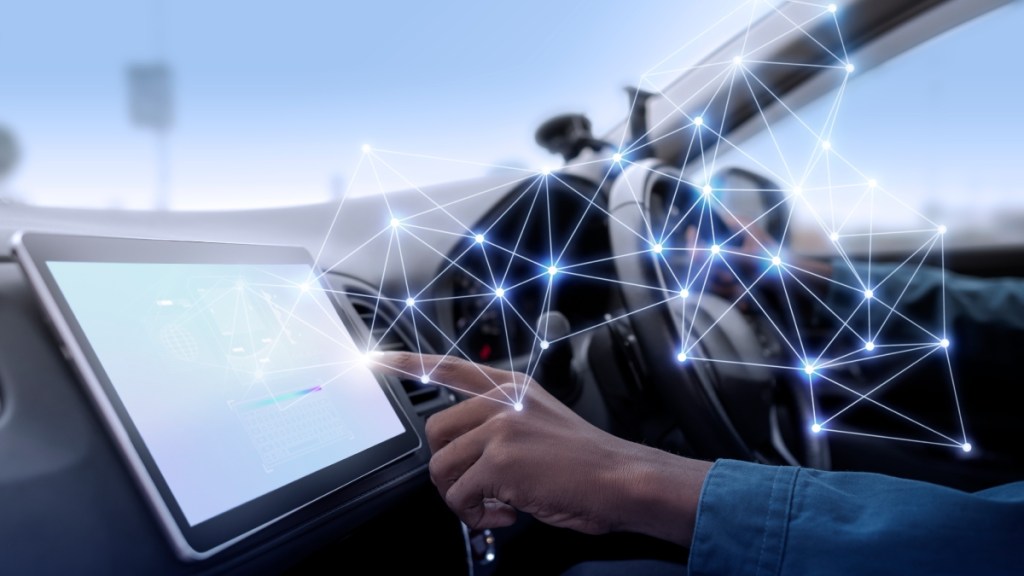
These compact devices can even potentially save our lives by helping reduce the potential for road accidents. Today, some dashcams are equipped with artificial intelligence (AI) technology to boost safety and security. For example, cameras can send alerts to the car owner of potential hazards. These always-on dashcams installed in commercial fleets can also send data to the cloud for machine learning (ML) and AI to understand patterns and derive insights.
AI-Powered Dash Cams
Self-driving cars are often heralded for their potential to make roads safer, but while we wait for them to become a reality, there are other ways to make roads safer. Dashcams are one of them. Over 1.31 lakh people were killed in India due to road accidents in 2020, according to the Road and Transports Ministry.
Dashcams can track and monitor potential hazards such as road conditions and other vehicles. There are also additional advantages of installing dashcams in commercial fleets. For example, when dashcams are set up to send real-time alerts on detecting irresponsible driving behaviors such as phone use and tailgating, risky and careless driving behaviors can be corrected.
Even drowsy driving can be detected by tracking how often the driver departs from the center of their lane over a set period. In such circumstances, an alert can be sent to the driver or the owner to take a break. If a driver is incapacitated, or unresponsive, his or her chosen emergency contacts can be notified. These alerts suggesting the driver needs help can even contain personal or medical information such as blood type, which could also be shared in real-time.
Dealing with Data
No matter what the setup, dashcams generate a huge amount of data. Some of this data needs to be analysed in real-time on the network edge, while some is being uploaded to the cloud to be processed later. The fleet owner or government might be doing so to seek meaningful insights and patterns, such as understanding why there is roadway congestion at a particular point, or why a certain stretch of road is more accident-prone so steps can be taken to correct the problem.
Different kinds of storage types are needed depending on the requirements behind capturing the data. On-camera storage must be high-performance to analyse data in real time. The onboard storage must also be reliable in extreme weather conditions, or if there is vibration. Examples include Western Digital’s automotive-grade storage solutions that include removable SDT cards, embedded UFS, and e.MMC cards, and industrial-grade NVMe SSDs, are designed to meet the rigorous reliability, performance, quality, and environmental demands of the automotive market.
Safety is one of the priorities for car manufacturers working on fully autonomous cars. At the same time, governments are also working on systems that allow our roads to be safer and better managed. A myriad of public companies and start-ups are working on this effort, which includes improving the capabilities and features of dashcams. As the dashcams become richer with more capabilities, they will generate and capture more and more data, which in turn continue to drive the need for specially-designed storage solutions.
The author is a Senior Director – Sales, India at Western Digital.
Disclaimer: Views expressed are personal and do not reflect the official position or policy of Financial Express Online. Reproducing this content without permission is prohibited