




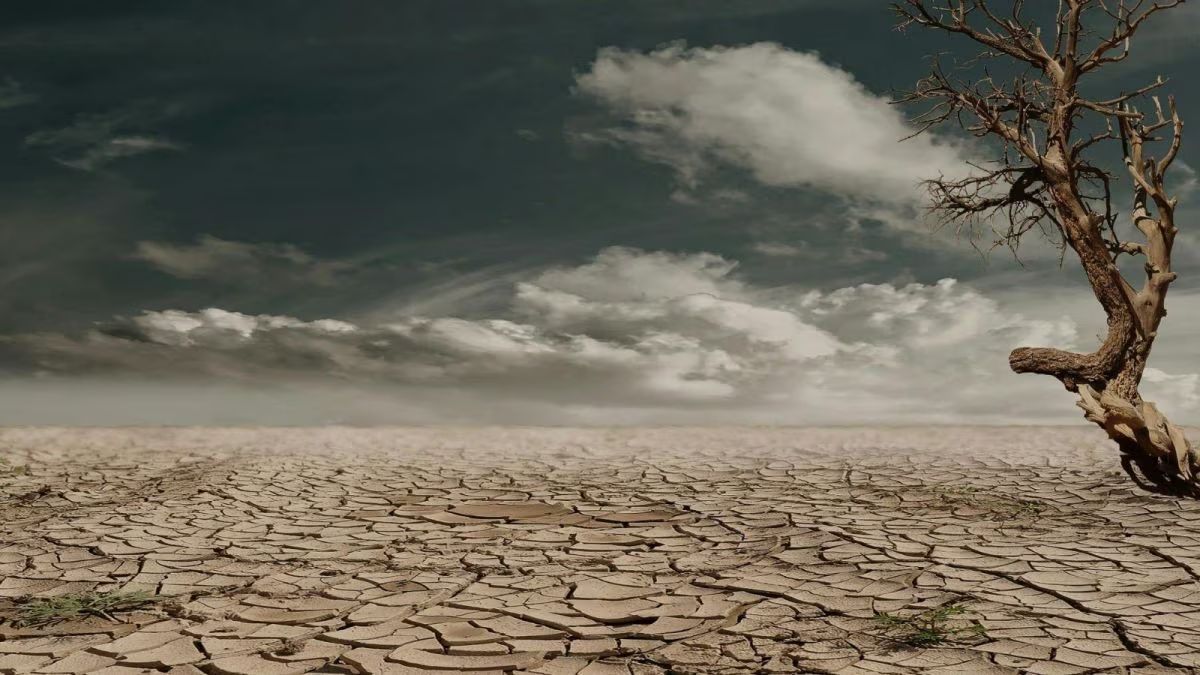
Although the southwest monsoon is advancing up the west coast and interior peninsula, the prospect of El Niño-induced below-normal rainfall doesn’t augur well for the countryside and economy. The uneven spatial and temporal spread of rains will hit cultivation of kharif crops like paddy, coarse cereals, pulses, and soya bean among others.
Lower rains that are 90% below the long period average (LPA) of 868.6 mm usually entail drought conditions. As if on cue, the Union ministry of agriculture and farmers’ welfare has already lowered the food grain production target for FY27. These prospects threaten the growth momentum of the agricultural sector that expanded by 4.1% per annum during the five years till FY26 due to a run of normal and above-normal monsoons, barring FY24.
Farm incomes will suffer and hurt demand for fast-moving consumer goods (FMCG), two-wheelers, tractors, and overall industrial production. Deficient rainfall will also contribute to water stress in the countryside as major reservoirs are not replenished.
To be sure, above-normal rains during the last couple of years prevented dam levels from depleting to precarious levels ahead of the current monsoon season. But reservoir levels have been dropping to 56.3 billion cubic metres (BCM) in end-May from 71.08 BCM in end-April. Water levels fell 6% year-on-year in early June.
Fifteen major reservoirs have dropped below 50% of their normal storage levels. Even so, the country’s 166 major reservoirs are currently filled to 30.7% of their storage capacity and 18% higher than normal. But if reservoir levels keep declining during the kharif season, economists like Ashok Gulati warn that rabi crops sown in the winter season could also be affected, impacting overall food grain output.
The fallout of a weak monsoon will hit rural demand at a time the West Asian conflict has cast a long shadow over sentiments with only 29.6% of households reporting an increase in income during the last one year, according to the National Bank for Agriculture and Rural Development.
According to a rule of thumb, every 1% shortfall from the LPA of rainfall drags down rural consumption growth by 0.5-0.7 percentage points. The stress in farm incomes will affect rural sales that account for over a third of the revenues for FMCG and durable companies and widen the split between mass-market and premium segments. More than half of two-wheeler sales are also in rural areas.
The monsoon-driven demand slowdown thus is a different beast altogether: more diffuse, longer-lasting, and harder to price away, according to a three-part series of reports in this newspaper.
Tractor demand, however, deserves to be closely watched as it is also sensitive to monsoon rainfall. While sales were in negative territory in previous episodes of below-normal rainfall in FY16 and FY24, the expected decline this fiscal will be only because of a high base effect due to record sales of 1.16 million tractors in FY26.
Tractors are typically purchased by prosperous farmers with relatively large holdings but there are also signs of growing mechanisation among smaller farmers. The proximate factors relate to the rising cost of maintaining oxen and bullocks.
The country’s largest manufacturer, Mahindra & Mahindra, for its part, has already factored in weather-related disruptions and expects sales of a mid-single-digit range which contrasts sharply with expectations of an overall negative impact on rural demand and the overall economy due to an El Niño-driven weak monsoon.


