




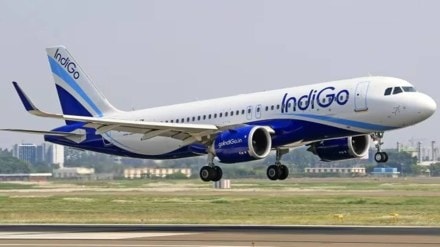
IndiGo, India’s largest airline by market share, is going through one of its worst operational meltdowns in recent years and the stock price is reflecting the same. The stock saw a slight recovery in afternoon trade after 3% slide in early trade. This recovery is after the DGCA withdrew its earlier circular on pilots’ weekly rest rules, bringing some relief to the airline after four days of operational chaos. Following the update, IndiGo’s share price bounced back from intra-day lows.
The aviation regulator said, “…In view of the ongoing operational disruptions and representations received from various airlines regarding the need to ensure continuity and stability of operations…the instruction contained in the referenced paragraph that no leave shall be substituted for weekly rest is hereby withdrawn with immediate effect…”
The crisis, which began earlier this week, has quickly spiralled, dragging the stock down nearly 10% in just five trading sessions and causing massive disruptions across the country. The budget carrier’s share price has fallen over 8% in the last 5 days.
Let’s take a look at the key reasons why the stock has been under pressure –
A week of chaos for flyers
What started as scattered delays has turned into a full-blown network collapse. IndiGo’s flight operations remained severely strained on Friday as the airline continued cancelling services through the day. By afternoon, nearly 400 flights had been cancelled, adding to a total that has now crossed 1,000 over the last few days.
Passengers at major airports – Delhi, Mumbai, Chennai, Bengaluru have been stuck in long queues, many learning hours later that their flights would not take off at all.
In Delhi alone, the airline scrapped all domestic departures until midnight. Its Chennai departures were halted until 6 pm on Friday, something rarely seen for an airline that normally dominates India’s domestic skies with about 60% market share.
Crew shortage triggers network collapse
The core of the disruption appears to be IndiGo’s struggle to cope with the new Flight Duty Time Limitation (FDTL) norms implemented last month. The revised rules mandate longer rest hours and safer shift planning for pilots and crew. While intended to improve fatigue management, the airline has not been able to realign its crew schedules in time, resulting in a sudden shortage of available staff.
The revised norms became the tipping point for a network already dealing with winter fog, minor tech glitches and seasonal congestion. With pilots overstretched and rosters difficult to manage, the cancellations kept piling up.
IndiGo apologises but passengers remain stranded
Facing growing anger from passengers, IndiGo issued a public apology, acknowledging the scale of the meltdown.
“We acknowledge that IndiGo’s operations have been significantly disrupted across the network for the past two days, and we sincerely apologize to our customers,” the airline spokesperson said.
The airline admitted that a “multitude of unforeseen operational challenges” – from weather issues to new crew rules – collectively crippled operations in a way it “had not anticipated.”
Government steps in as pressure mounts
With cancellations spreading across the country, the aviation regulator DGCA stepped in, asking the airline to present a detailed explanation. In a statement, the regulator said it is “currently investigating the situation” and has demanded the airline submit facts and mitigation plans to reduce further disruptions.
A high-level emergency meeting was also convened by the Ministry of Civil Aviation, where Civil Aviation Minister Ram Mohan Naidu expressed displeasure over the situation and the airline’s preparedness. According to the DGCA’s release, “IndiGo has been asked to report to DGCA, Headquarters, to present the facts leading to the current situation along with plans to mitigate the ongoing delays and cancellations.”
Officials also instructed the airline to notify passengers in advance, ensure hotel accommodation where needed and avoid any surge in fares due to the ongoing crisis.


