




In an age of social media and hyper-connected fan communities, almost anything touched by a celebrity can become a coveted collectible. From discarded food wrappers and used coffee cups to concert souvenirs and even literal garbage, ordinary objects are gaining extraordinary value because of their association with famous personalities. This unusual phenomenon reflects the growing influence of internet culture, celebrity fandoms and the emotional value fans attach to anything linked to their idols.
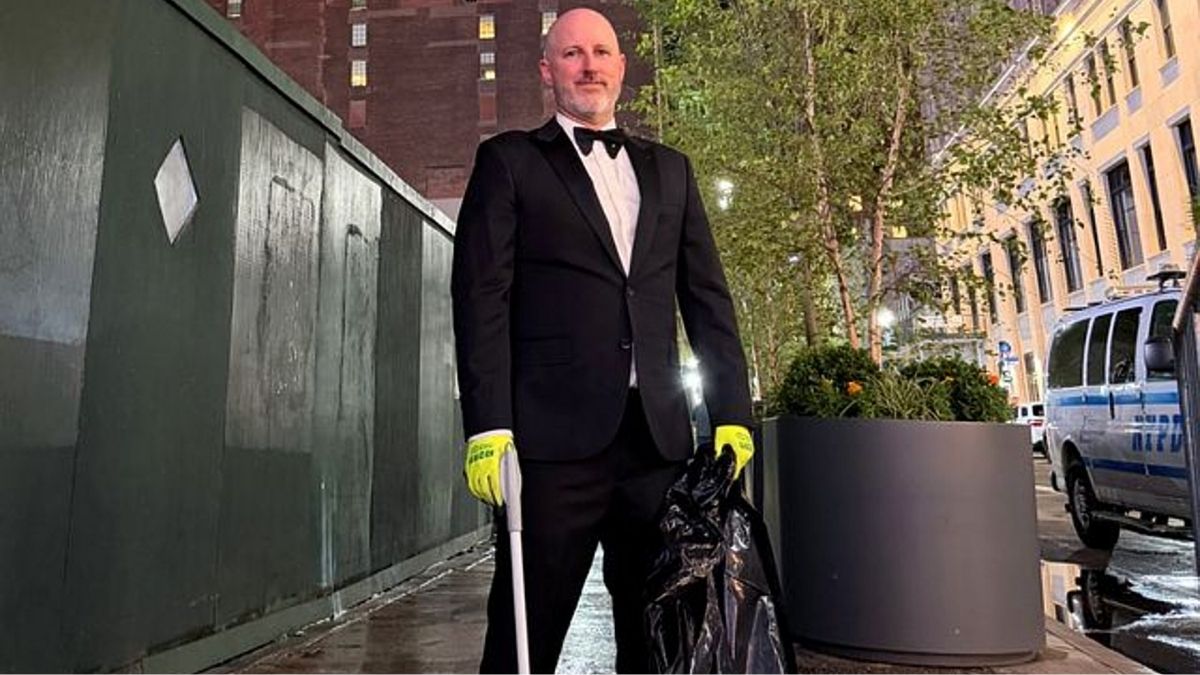
The latest example comes from New York-based artist Justin Gignac, who has built a career around transforming trash into art. The artist is making waves after he turned discarded garbage from outside the wedding venue of Taylor Swift and NFL player Travis Kelce into an art project, earning around $1,250 (around Rs 1.2 lakh). Gignac collected litter outside Madison Square Garden in New York on July 4, a day after the celebrity couple got married. He sealed the collected items in small transparent plastic cubes, labelled them ‘sculptures’, and sold each piece for $25 (about Rs 2,400). The cubes were designed to prevent odour and leakage while transforming the garbage into collectable memorabilia linked to one of the year’s biggest celebrity events.
The discarded items included a Ring Pop candy wrapper, an abandoned AirPod and other pieces of street waste left behind after the festivities. The cubes have sold out, with buyers in more than 30 countries.
Although Gignac makes it clear that he cannot verify whether any of the objects belonged to Swift, Kelce or their guests, he says that their connection to the high-profile event gives them cultural significance.
The project builds on Gignac’s 25-year artistic practice of preserving everyday waste as a commentary on consumer culture. This time, however, the celebrity connection has transformed ordinary litter into desirable memorabilia, highlighting the powerful economics of fandom. It is clear that celebrity culture has elevated worthless objects into expensive collectibles.
One of the most talked-about examples came in 2023, when rapper Cardi B threw her microphone into the audience during a Las Vegas concert after a fan splashed her with a drink. The microphone instantly became the centre of global headlines and was later auctioned on eBay, fetching nearly $100,000. While the microphone itself was not garbage, its enormous value came almost entirely from its role in a viral celebrity incident rather than from its practical use.
Concerts have produced other surprising collectibles as well. During a performance in Australia in 2022, singer Harry Styles casually ate a banana on stage before tossing away the peel. Fans reportedly rushed to retrieve it, and the discarded banana peel later appeared for sale online, demonstrating how even food waste can become valuable when linked to a beloved performer.
Fast-food packaging has also become an unlikely collector’s item. When BTS partnered with McDonald’s in 2021 for a special meal promotion, fans across several countries began buying and reselling empty burger boxes, paper bags and used dipping sauce packets. There were many unopened, limited-edition sweet chili and cajun dipping sauce packets that became major collector’s items on eBay fetching anywhere from $30 up to $400. Despite having no practical value once the meal was consumed, the branded packaging sold online for many times its original price, driven entirely by the global popularity of the K-pop group.
Disposable drink containers have similarly entered the world of celebrity memorabilia. Used Starbucks cups, takeaway coffee cups and even half-finished water bottles reportedly left behind by stars such as Taylor Swift, Justin Bieber and Ariana Grande have surfaced on resale platforms. Buyers are willing to pay substantial amounts simply because the items were once handled by their favourite celebrities.
Packaging and Plasti-Cuffs
Perhaps the strangest example is the sale of Kanye West’s ‘concert air’. During his Yeezus tour and later the Donda listening events, fans listed sealed plastic bags that supposedly contained air collected from the venues. Some listings attracted bids worth thousands of dollars, with one reportedly reaching $60,000 before eBay removed it for violating its rules on intangible goods. Although impossible to authenticate, the listings illustrated how celebrity association alone can create perceived value.
In 1975, American entrepreneur Gary Dahl created the wildly successful Pet Rock, selling ordinary stones packaged inside cardboard boxes complete with breathing holes, a playful instruction manual and a mock training guide. Millions were sold within months, proving that clever storytelling and marketing could transform the most ordinary objects into commercial successes.
All these examples show how celebrity culture, internet virality and fan devotion can blur the line between trash and treasure, as for objects that would normally be thrown away can acquire extraordinary value when they become part of a larger cultural story.


