




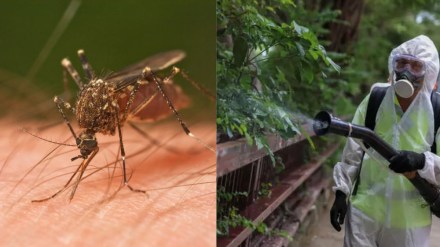
New York State Department of Health has confirmed the first locally acquired case of chikungunya in the United States in over six years.
The case, reported in Nassau County on Long Island, is the first locally transmitted infection of the virus in New York and the first in the US since 2019.
The source of exposure is still unclear; the individual is believed to have contracted the virus after being bitten by an infected mosquito.
What is Chikungunya?
Chikungunya is a mosquito-borne viral disease typically found in tropical and subtropical regions. The virus causes symptoms such as sudden fever, joint pain, muscle pain, headache, rash, and swelling.
Most people recover within a week; some may experience persistent joint pain, which can last for months. Severe cases are rare, but the disease can be more dangerous for newborns, elderly individuals, and those with underlying health conditions such as diabetes or heart disease.
The virus is spread by infected Aedes albopictus mosquitoes, which are present in parts of downstate New York.
Local transmission occurs when a mosquito bites an infected traveller, becomes infected itself, and then transmits the virus to another person through its bite.
Although there are no known cases of chikungunya found in New York mosquitoes through routine testing, health officials are closely monitoring the situation.
Risk of spreading the chikungunya virus
The risk of widespread transmission in New York remains low, particularly given the colder nighttime temperatures that typically limit mosquito activity.
Health officials stated that New Yorkers should continue to take precautions to avoid mosquito bites, especially as summer weather still lingers.
Measures include using EPA-registered insect repellents, wearing long sleeves and pants, removing standing water around homes, and ensuring window and door screens are intact.
Chikungunya has been present in tropical and subtropical regions since its discovery in the 1950s, but the virus has rarely been transmitted locally in the US before.
The last local transmission of chikungunya in the country occurred in 2014. Since then, most US cases have been linked to international travel to areas where chikungunya is endemic.
The New York Department of Health also reported three additional travel-related chikungunya cases in 2025 outside of New York City.
These individuals had travelled to regions with ongoing chikungunya outbreaks. However, health officials are urging residents to stay vigilant, as the risk of local mosquito transmission remains low but present.
As of now, there are no specific treatments for chikungunya, but symptoms can be managed with over-the-counter pain relievers.
There are two vaccines for the virus, but they are not widely available in affected countries. Public health experts continue to monitor the spread of the disease, urging continued prevention efforts to protect vulnerable populations.


