




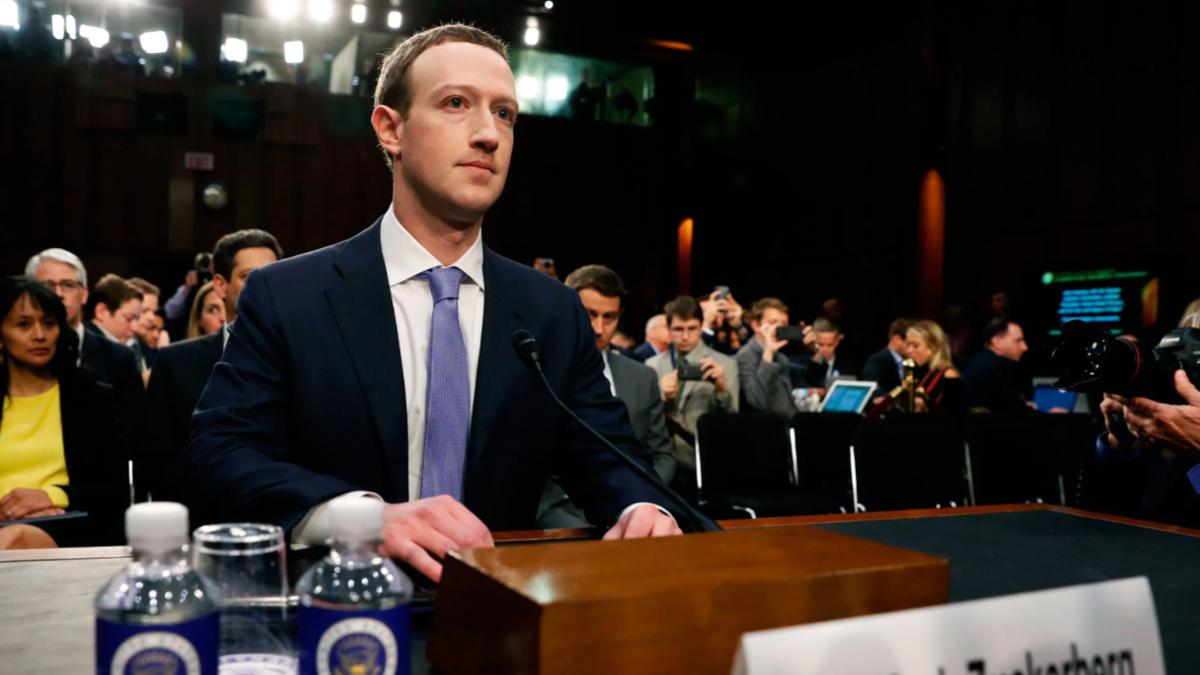
In what appears to be a first-of-its-kind lawsuit against a major US company, a group of 26 Meta employees, both former and current, sued the tech giant for allegedly using artificial intelligence to conduct mass layoffs.
The lawsuit filed in a California federal court late Monday (US time) comes after 8,000 employees (10% of the workforce) were laid off as the social media giant seeks to transform into an AI-first company. Its employees, those who sued the firm, however, believe that Meta used AI-powered software to disproportionately target disabled individuals or employees who went on medical leave while picking workers for May’s layoffs.
Since the 26 plaintiffs challenging the Mark Zuckerberg-led Silicon Valley giant also include those affected by the recent job cuts, they are now seeking a preliminary ruling from the court to bar Meta from fully implementing the layoffs. In the meantime, they hope to pursue the challenge in private arbitration while an “independent audit (of) the algorithmically assisted selection process” is conducted. As reported by Reuters, the plaintiffs were informed in May that their roles would be eliminated starting July 22.
On Tuesday, a Meta spokesperson slammed the claims as meritless in statements quoted by international media outlets.
Meta refutes AI-powered layoffs, discrimination claims
A Meta spokesperson quoted by Reuters and CNBC stated that the “claims lack merit and are not based on facts.” They further asserted, “Workforce management and organizational decisions were and are made by people, not AI.”
Allegations raised against Meta in new employee lawsuit
The anonymously filed lawsuit by 26 plaintiffs accused Meta of violating federal and state laws that ban discrimination or retaliation against employees with disabilities, or taking medical leave, or being pregnant. Considering the lawsuit was filed in a California court by people who come from six states, including California and New York, they also alleged company failure regarding the testing of its AI systems for bias.
The US state has expanded its sweeping framework to regulate AI, with Governor Gavin Newsom signing more than 20 new AI laws to keep data privacy, automated decision systems and generative AI in check. New York City has enacted similar measures in adopting AI laws.
The plaintiffs believe the company kept a tab of factors like productivity and AI token usage when it laid off 8,000 employees in May, while disregarding green-lit absences. Although Reuters reported earlier that the company was planning to cut more jobs later this year, CEO Mark Zuckerberg said in his memo to employees that he is not expecting more layoffs this year.
The lawsuit alleges that the social media giant’s “constellation of internal artificial intelligence systems” failed to consider approved leaves when deciding which employees to fire.
“Those tools draw on inputs—performance ratings, calibration scores, productivity and output metrics, ‘AI-native’ ratings, and AI-token consumption—that, by design, cannot be accumulated by an employee who is on protected medical or family leave, or whose output is reduced by a disability,” the plaintiffs’ lawyers wrote in the legal filing.
Back in April, Meta attracted serious backlash for installing new tracking software on US-based employees’ computers to capture their mouse movements and keystrokes to train its AI models, according to a memo shared with staff, as seen by Reuters. The company was subsequently forced to hit pause on the use of the Model Capability Initiative (MCI) tool amid surging internal frustrations about a potential data privacy breach.
“We have no indication at this time that any data was improperly accessed by Meta employees,” a company spokesperson told the BBC at the time.


