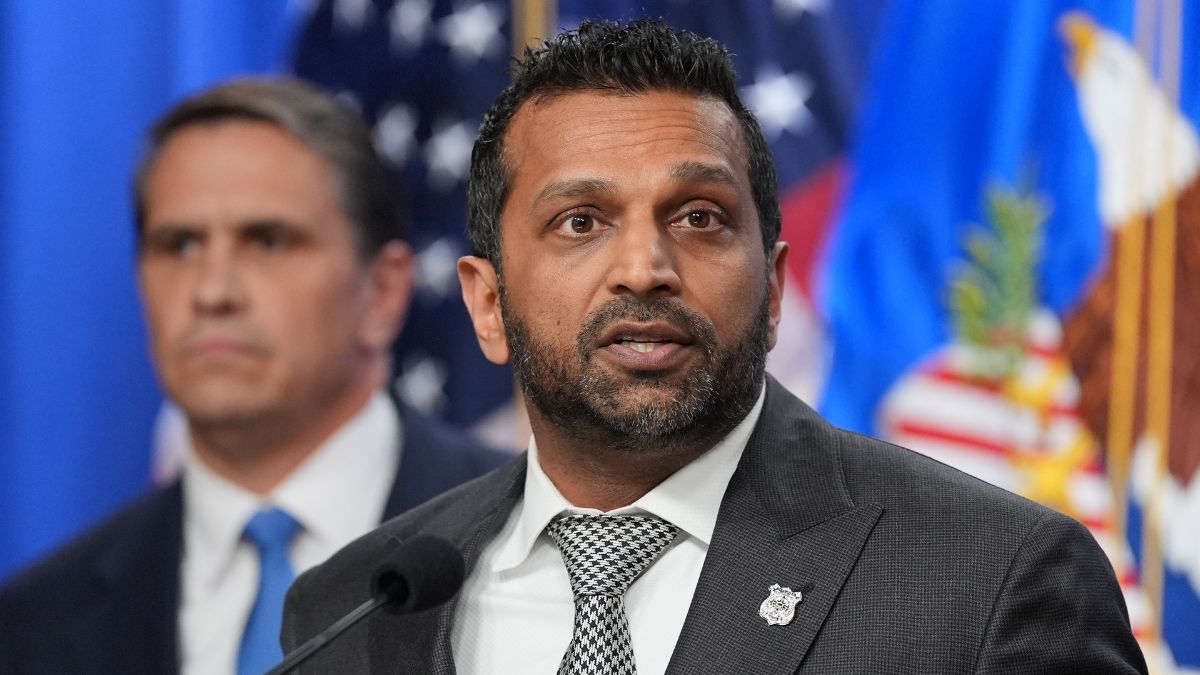
Indian-origin US Congressmen Raja Krishnamoorthi and Suhas Subramanyam led a group of 21 lawmakers this week in raising concerns about delayed immigration cases amid a historic backlog of pending cases. Flagging the issue to USCIS Director Joseph Edlow and FBI Director Kash Patel in a letter, the US Congress members warned that the ongoing crisis is expected to worsen, leaving applicants waiting indefinitely amid repeated policy revisions that threaten immigrants’ ability to remain lawfully in the US.
According to the American Immigration Council’s analysis of USCIS data, the agency’s backlog has more than tripled over the last decade, rising from 3.5 million cases in the first quarter of FY2016 (October to December 2015) to 11.6 million in the fourth quarter of FY2025 (July to September 2025).
Although the congressmembers acknowledged that thorough screening and vetting of all applicants seeking immigration benefits was imperative, they also noted that such protocol “should not serve as the basis for an indefinite moratorium on adjudications for any class of immigrants.”
Notably, the group of lawmakers called on the USCIS and FBI directors about two weeks after the US Citizenship and Immigration Services (USCIS) announced a new policy memorandum, as the Donald Trump administration continues to curb even legal pathways to immigration. Dated May 22, the rule change addressing Green Card hopefuls stated that foreign nationals seeking adjustment of status must do so through the consular process via the Department of State outside the US.
Letter to FBI, USCIS calls out ‘enhanced security checks’ over delays
Directly addressing Edlow and Patel, the US lawmakers begin their letter, saying, “We write to express serious concern regarding reports that USCIS has instituted broad adjudication holds tied to new ‘enhanced security checks’ for immigration benefit applicants as of April 27–28, 2026. According to stakeholders and press reports, this vetting change may affect millions of pending cases and could significantly disrupt adjudications across multiple form types.”
Citing US-reported data and headlines, US congressmembers claimed that the “largest USCIS backlog in history” already spans more than 11.5 million pending cases and applicants waiting years for a decision on immigration benefits.
On the contrary, a USCIS spokesperson issued a statement to US media, saying that the agency “has implemented new security checks to strengthen the vetting and screening of applicants through expanded access to federal criminal databases,” as quoted by Reuters. The government agency also assured that “any delay in decision issuance should be brief and resolved shortly.”
In light of the given changes, lawmakers requested clarity and public answers for a number of questions, including the time needed by USCIS and the FBI to submit, rerun, and complete processing of all pending background checks. Among numerous other queries, officials also asked about which immigration benefit categories, priority groups and types of cases were impacted amid halted applications.
Representatives Danny K. Davis (D-IL), Jasmine Crockett (D-TX), Delia C. Ramirez (D-IL), Yvette D. Clarke (D-NY), Dan Goldman (D-NY), Deborah Ross (D-NC), Seth Moulton (D-MA), Sara Jacobs (D-CA), Darren Soto (D-FL), Valerie Foushee (D-NC), Adam Smith (D-WA), James Walkinshaw (D-VA), Jesús G. “Chuy” García (D-IL), Eleanor Holmes Norton (D-DC), Becca Balint (D-VT), Jennifer McClellan (D-VA), Dina Titus (D-NV), Donald Beyer (D-VA), André Carson (D-IN), Pramila Jayapal (D-WA), and Judy Chu (D-CA) also signed the letter alongside Krishnamoorthi and Subramanyam.
About the April mandate that called for ‘enhanced security checks’
In late April, US news sites such as Reuters and CBS News obtained internal government documents showing that the Trump administration was subjecting immigrants applying for legal immigration benefits to enhanced security checks. In the process of implementing these changes, some cases were also forcefully paused.
The reported documents revealed that USCIS disseminated internal guidance directing officers to hold back from approving any pending cases that have not undergone the expanded background checks. As a result, USCIS officers were told to resubmit fingerprints for pending cases if information from the FBI was received before April 27, according to the internal guidance.
As obtained by CBS News and Reuters, an email sent to USCIS’s Refugee, Asylum and International Operations Directorate staff stated, “Effective April 27, 2026, USCIS will begin receiving enhanced criminal history record information (CHRI) for all fingerprint-based background checks submitted to the FBI’s Next Generation Identification system.”
The sudden changes were, in turn, prompted by US President Donald Trump signing an executive order in February, which asserted that “DHS immigration authorities must access criminal history record information (CHRI) in the custody of federal criminal justice agencies to the maximum extent permitted by law.”