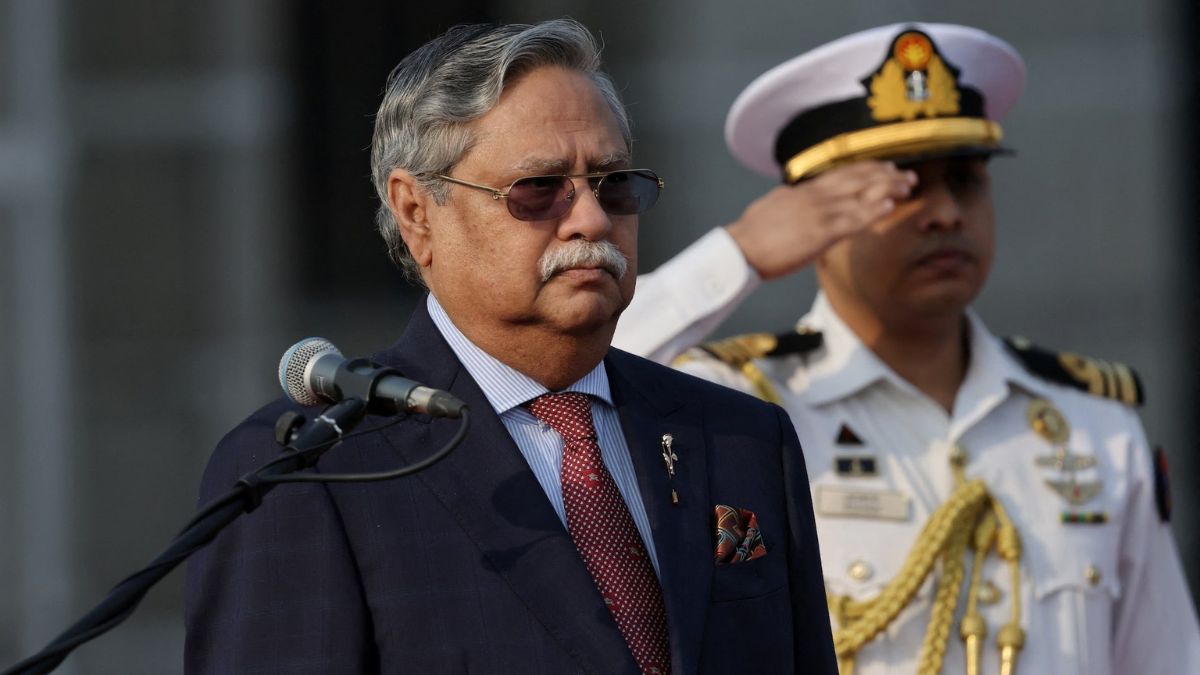
Bangladesh’s President Mohammed Shahabuddin resigned on Friday (July 24), stepping down roughly halfway through his five-year term. Shahabuddin, the head of state and commander-in-chief of the armed forces, was the last remaining official closely tied to Sheikh Hasina, ousted after a student-led uprising in 2024, still holding high office.
The official reason and the political backdrop
Shahabuddin’s spokesperson, Sarwar Alam, had earlier cited the president’s health as the reason for his departure. Alam told Reuters: “As a result of his illnesses, it is no longer possible for him to discharge his duties. He needs treatment and rest.”
Alam did not offer a political explanation. However, media reports suggested that the government had pressed Shahabuddin to step aside because of his long-standing ties to Hasina, days after she announced plans to return from exile. His exit leaves Hasina with no allies left in high office five months before she is due back in the country.
Why Shahabuddin’s Exit Matters for Hasina
As commander-in-chief, Shahabuddin was seen as one figure with the constitutional standing to influence the armed forces’ response were any attempt made to block Hasina’s return. With his resignation, Hasina’s Awami League, banned since the 2024 uprising, loses its last senior ally in a top constitutional post. Many of the party’s leaders and activists have been jailed or gone into hiding since the party was outlawed.
Hafiz Uddin Becomes Acting President of Bangladesh
Under the Constitution, the Speaker of Parliament serves as acting president once a sitting president resigns, until lawmakers elect a successor. Alam had said Shahabuddin would submit his resignation to Speaker Hafiz Uddin Ahmad once the Speaker returns from a trip to Thailand on Friday.
Hasina’s Planned Return
Hasina, 78, has been living in India since fleeing Dhaka in August 2024. She told Reuters she and senior party colleagues planned to return from exile around December and surrender. Last November, Bangladesh’s International Crimes Tribunal sentenced her to death in absentia over her role in ordering a crackdown on protesters during the 2024 uprising, in which a UN report said nearly 1,400 people were killed. Hasina denies the charges.
The tribunal itself was originally set up in 2010 under Hasina’s own government to prosecute 1971 Liberation War crimes; it has since been used by the administration that succeeded her to try Hasina and her associates.
How Was Shahabuddin Elected Bangladesh President?
Shahabuddin’s departure comes as Prime Minister Tarique Rahman’s government looks to consolidate power following its February election victory. Shahabuddin, 76, was elected unopposed in 2023 as the Awami League’s nominee for a five-year term due to end in April 2028.