




For at least a good decade now, Indian cricket followed a familiar commercial script. A young player would break into the domestic circuit, earn an IPL contract, fight for a place in the national team, establish himself internationally and only then begin attracting the kind of endorsement money reserved for elite sporting celebrities.
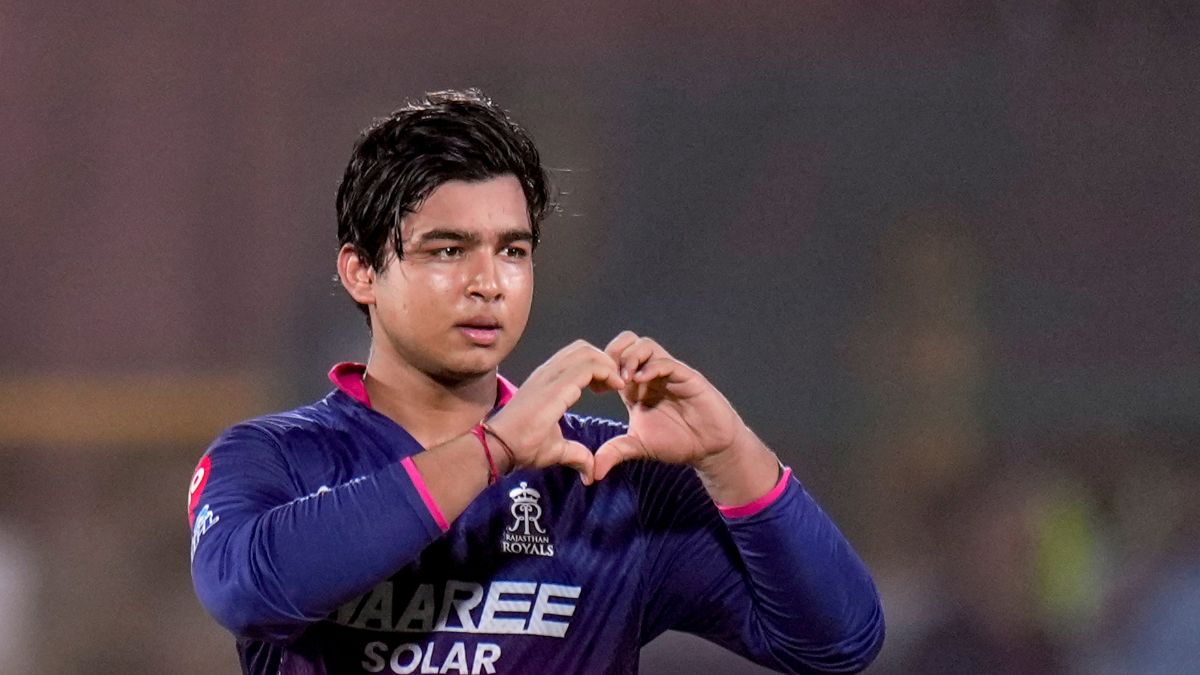
Vaibhav Sooryavanshi appears to be skipping several chapters. The 15-year-old Rajasthan Royals opener has emerged from IPL 2026 not merely as a cricketing sensation but as one of the most sought-after marketing properties in Indian sport.
What makes the phenomenon remarkable is not just the speed of his rise on the field but the speed with which corporate India has moved to monetise it. According to sports marketing advisory firm Marketing Growmatics, Sooryavanshi is close to finalising a bat endorsement agreement worth ₹12 crore annually, with the payment linked primarily to branding on his bat sticker during matches.
If completed, the deal would place the teenager among the most valuable young commercial athletes Indian cricket has ever produced.
Why brands are moving so quickly
The economics are straightforward. In modern cricket broadcasts, few pieces of advertising real estate receive as much uninterrupted exposure as a bat sticker. Every boundary replay, every close-up and every highlight package places the brand directly in front of viewers.
What brands are buying is not simply a player. They are buying attention. And few cricketers generated more of it during IPL 2026 than Sooryavanshi. Marketing Growmatics says his endorsement market has expanded rapidly since the season ended, with his commercial appearance fees reportedly rising to between ₹1.5 crore and ₹2 crore per campaign.
The consultancy also reports that multiple companies have approached his representatives in an attempt to secure deals before the next cricketing cycle begins. The urgency reflects a broader shift in sports marketing.
Brands increasingly want to invest before an athlete becomes a national superstar rather than after. The logic is similar to venture capital: identify the asset early and secure a position before valuations explode.
The season that changed everything
The commercial rush did not emerge in isolation. It followed one of the most extraordinary IPL campaigns by a young player in the tournament’s history.
Sooryavanshi, who was retained by Rajasthan Royals for ₹1.1 crore, turned himself into the face of the season through a combination of volume scoring and relentless attacking cricket.
According to tournament statistics, he finished IPL 2026 with 776 runs, winning the Orange Cap as the competition’s leading run-scorer. He also claimed the tournament’s Most Valuable Player, Emerging Player, Super Striker and Super Sixes awards.
His season strike rate of 237.30 earned him the Super Striker award, while his tally of 72 sixes surpassed the previous single-season benchmark associated with power-hitting dominance in the IPL.

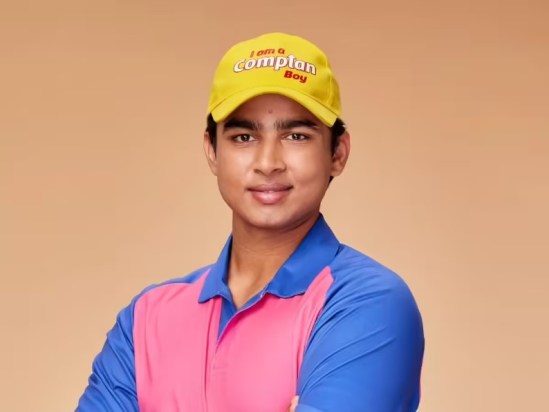
One of the most striking milestones came in the form of speed. Promotional material released by nutrition brand Complan, one of his existing sponsors, highlighted that Sooryavanshi became the fastest player to reach 1,000 IPL runs, doing so in 440 deliveries.
For brands targeting younger consumers, the profile is almost ideal: youthful, fearless, highly visible and already record-breaking.
The new age of athlete investing
The significance of Sooryavanshi’s rise extends beyond one player. Traditionally, Indian endorsement markets have been dominated by established stars with long international careers. At the summit remains Virat Kohli.
According to brand valuation data published by Kroll, Kohli’s celebrity brand value stands at $231.1 million (approximately ₹2,195 crore), making him India’s most valuable celebrity brand. The same ranking places Ranveer Singh second at $170.7 million and Shah Rukh Khan third at $145.7 million.
The gap between Sooryavanshi and those figures remains enormous. The more important development is that companies are increasingly willing to deploy serious marketing budgets before a player has even made his mark internationally and in Sooryavanshi’s case is yet to play his first match in national colours.
This is a departure from the traditional model, where endorsements followed achievements. In Sooryavanshi’s case, endorsements are arriving alongside them.
A teenager at the centre of a changing market
There is no guarantee that early commercial success translates into a long sporting career. Indian cricket’s history is filled with prodigies who dazzled briefly before fading from view. Brands understand that risk.
Yet they are investing anyway. Part of the reason lies in the changing nature of sports consumption. Social media rewards novelty. Short-form video rewards spectacle. Sponsors increasingly seek athletes who can generate cultural relevance as much as sporting success.
Sooryavanshi’s IPL season delivered both. At an age when most cricketers are still navigating junior cricket, he has already become a headline, a highlight machine and increasingly, a business proposition. That may be the most remarkable part of the story.
The biggest shift is not that a 15-year-old had a breakthrough IPL season but that corporate India no longer feels the need to wait for international caps, World Cups or years of sustained excellence before assigning elite commercial value.
In many ways, IPL 2026 may be remembered as the season Vaibhav Sooryavanshi became an industry in himself.


