




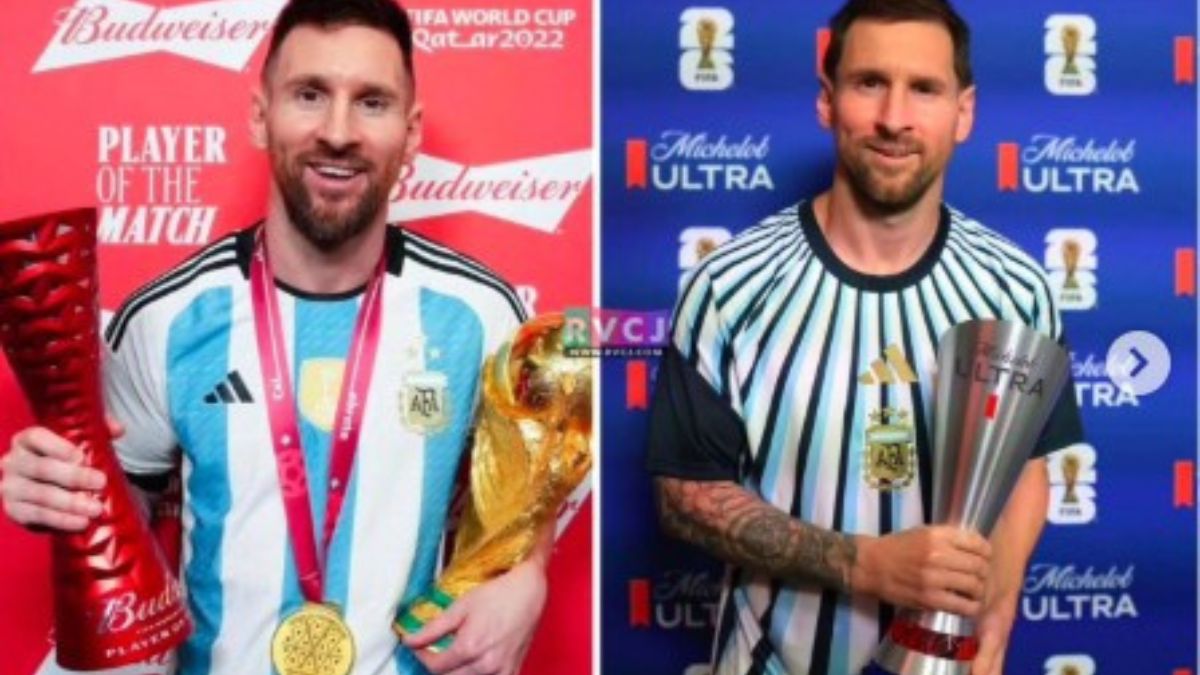
Every FIFA World Cup match ends the same way: the standout player poses with the Player of the Match trophy, cameras flash and social media erupts with praise.
When Lionel Messi picked up the award after inspiring Argentina’s 2-1 semi-final win over England, his fifth in the tournament and 11th in FIFA World Cup history, many fans assumed the trophy came with a hefty cash prize. It doesn’t.
No prize money for Player of the Match
Despite its prestige, FIFA does not pay players any direct cash for winning the Player of the Match award.
The same applies to the tournament’s biggest individual honours, including the Golden Ball, awarded to the World Cup’s best player or the Golden Boot given to the tournament’s leading scorer.
Instead, FIFA’s record $871 million prize fund for the 2026 World Cup is paid entirely to national football associations based on how far their teams progress. Individual awards are purely honorary.
So why is the award such a big deal?
The value lies less in the trophy itself and more in what it represents.
The 2026 award is officially branded as the “Superior Player of the Match”, backed by tournament sponsor Michelob ULTRA. Winners are decided through a global fan vote conducted on FIFA’s digital platforms during each match, turning the trophy into one of the tournament’s biggest commercial showcases.
Every presentation generates millions of television impressions and social media interactions, making the award a powerful marketing asset for both FIFA and its sponsors.
Where the real money comes from
While FIFA pays nothing directly, standout performances can still prove financially rewarding. Many national teams negotiate performance-based bonus structures before major tournaments.
Although these usually reward collective success rather than individual awards, players who consistently influence matches often benefit when prize money is distributed by their federation. The bigger financial impact, however, often comes away from the pitch.
For elite players, Player of the Match performances significantly boost commercial value. Endorsement deals with brands such as Adidas, Nike and Puma frequently include performance-related incentives, while the global exposure generated by a World Cup can strengthen sponsorship negotiations and future contracts. In other words, the trophy itself may not carry a cheque, but the performances that earn it can be worth millions.
Spain teenager Lamine Yamal, for instance, is now regarded as the world’s most valuable footballer by the CIES Football Observatory, while Kylian Mbappe enters the closing stages of the tournament with his long-term Nike contract nearing expiry, giving his World Cup performances added commercial significance. Even for established stars such as Lionel Messi, standout displays continue to reinforce the value of long-term partnerships with global brands. Messi has a lifetime sponsorship deal with Adidas reportedly worth approximately $1 billion in total.
Why the award still matters
Winning FIFA’s Player of the Match award will not increase a player’s bank balance overnight. Instead, it serves as something arguably more valuable, a globally recognised stamp of excellence that can enhance a player’s commercial appeal, strengthen endorsement portfolios and elevate their market value long after the final whistle.


