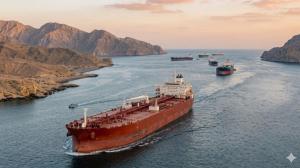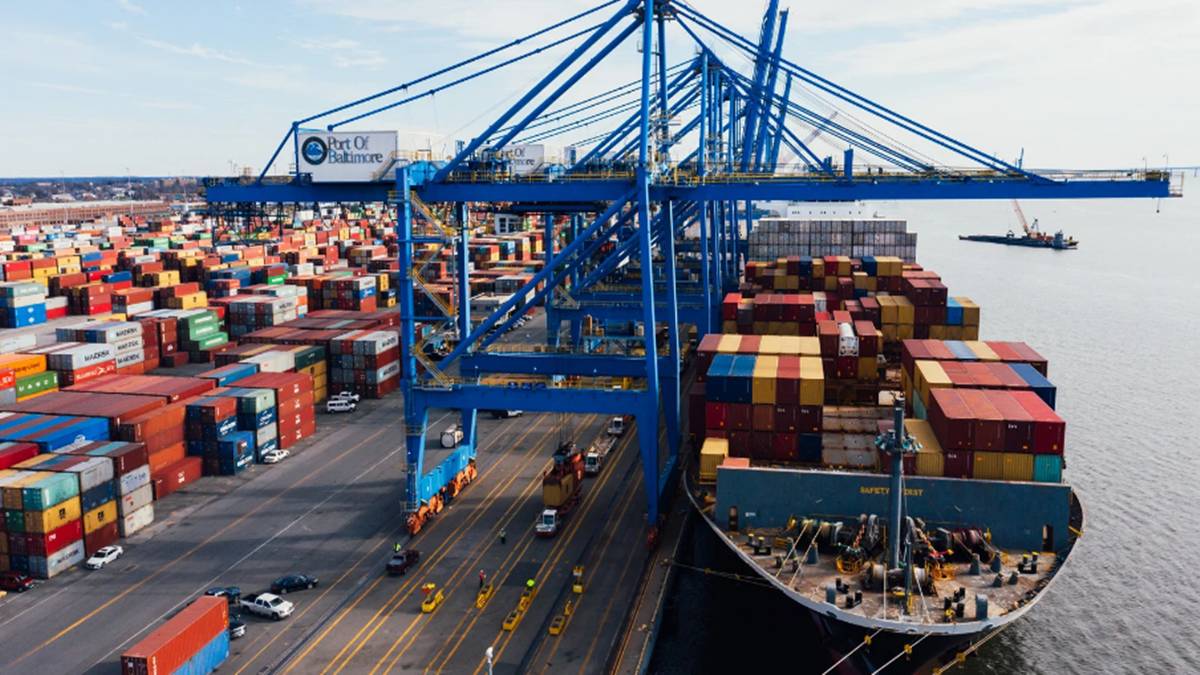
With the Red Sea facing growing security threat leading to disruption of cargo movement through Bab al-Mandab strait and continued uncertainty over movements of ships through Strait of Hormuz, has hit India’s rice exports to Saudi Arabia, Iran and European Union, exporters said.
“The simultaneous disruption around these two critical routes for cargo movements has created an unprecedented challenge for India’s exporters,” Ranjit Singh Jossan, vice president, Basmati Rice Millers and Exporters Association, Punjab, told FE. Jossan said because of war in the Middle east, sea freight has surged to record levels, insurance costs continue to rise, and exporters are facing an acute financial crisis as working capital remains locked in delayed shipments.
“Unless normal shipping routes are restored soon, the disruption could severely impact India’s basmati rice exports, global supply chains, and overall trade especially in the Middle east,” he said
Stranded Cargo
Exporters said that due to uncertainty around cargo movement through the Strait of Hormuz over the past several months, around 0.5 million tonne (MT) of rice export cargo, including basmati rice, remains stranded at the Kandla and Mundra ports, Gujarat.
Saudi Arabia has emerged as the largest destination of India’s aromatic long grain Basmati rice exports with a shipment of close to 1.2 MT annually followed by Iran where close to 0.8 MT of basmati rice was exported last fiscal.
“Red sea blockage is a big challenge for India’s rice exports as ships are taking longer routes, freight costs are rising and deliveries are getting delayed,” Suraj Agarwal, Co-founder and CEO of Rice Villa, a leading exporter of rice based in Kolkata said. Agarwal said that this can make Indian rice more expensive for buyers especially in the Middle east and Europe.
Trade sources said the latest escalation is particularly significant because the Bab al-Mandab Strait is considered a global strategic maritime trade route, which connects the Red Sea with the Gulf of Aden. The strait provides access to the Suez Canal, which serves as a vital gateway linking Asia with Europe and Africa.
Export Resilience
India’s rice exports, the country’s largest agricultural export, rose more than 4% year-on-year to $3.03 billion during April-June of FY27, despite supply disruptions caused by the conflict in West Asia.
In June alone, the world’s largest rice exporter shipped rice worth more than $1 billion, up 16% from a year earlier, as easing tensions in the Middle East helped restore some supply chains for aromatic long-grain basmati rice to key Gulf markets, including Iran and Saudi Arabia.
The value of India’s rice exports, including basmati and non-basmati varieties, had declined 7.5% year-on-year to $11.53 billion in FY26. India has remained the world’s largest exporter of rice over the past decade, accounting for around 45% of global rice trade.
India exports both basmati and non-basmati rice to more than 140 countries across Asia, the Middle East, Europe and the US. In several markets, it competes with major rice-exporting nations such as Pakistan and Thailand.