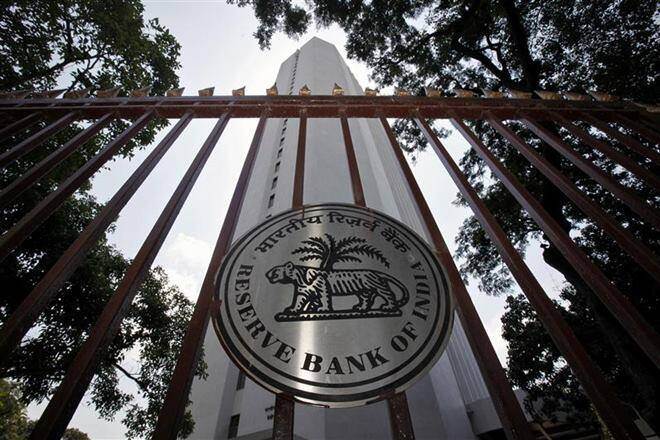


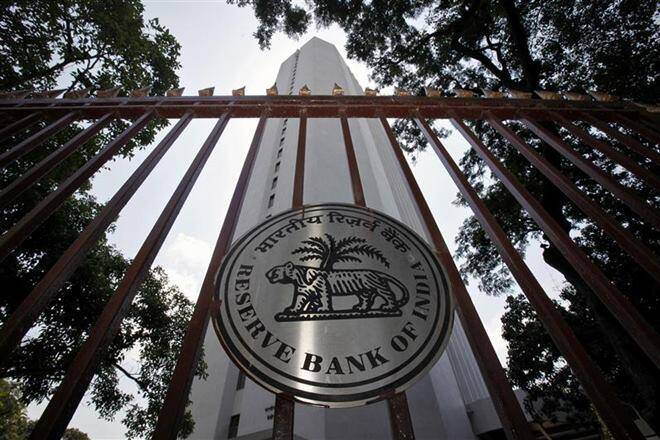
The latest FY20 Budget has pegged RBI’s dividend at Rs 90,000 crore, against Rs 68,000 crore last fiscal, even without factoring in the ECF review.
The Bimal Jalan panel, which is examining the Reserve Bank of India’s (RBI’s) economic capital framework, on Monday decided to huddle again before submitting its report with the central bank, most likely this month, a source privy to the development said.
While the panel is set to recommend the transfer of the RBI’s excess reserves to the government in a maximum of five years, the government is yet to take a final call on the dissent note submitted by former finance secretary Subhash Chandra Garg (who has now been shifted to the power ministry) on its suggestions.
New finance secretary Rajiv Kumar, who replaced Garg on the Jalan panel, took part in its meeting for the first time on Monday and is expected to take some time to go through various recommendations and Garg’s dissent, and make a final decision. “So there would be another meeting,” said the source.
While Jalan is learnt to be still trying to forge a consensus, even if the government chooses to retain Garg’s dissent, it won’t make any material change to the panel’s recommendations, as his was a minority view.
Garg had submitted dissenting views on its recommendations after it was clear that the review of the ECF would result in lower-than-expected transfer of the central bank’s surplus to the government. He had reservations on the methodology endorsed by other members of the panel to arrive at the size of the RBI’s “surplus”, and also wanted the entire transfer in one go. Before Garg’s transfer, the panel was expected to submit its report by the first week of August.
The latest FY20 Budget has pegged RBI’s dividend at Rs 90,000 crore, against Rs 68,000 crore last fiscal, even without factoring in the ECF review. So the surplus transfer could help the government tide over any potential shortfall in its tax revenue and contain fiscal deficit unless the panel ties the transfers to specific use like retiring public debt or recapitalisation of state-run banks.