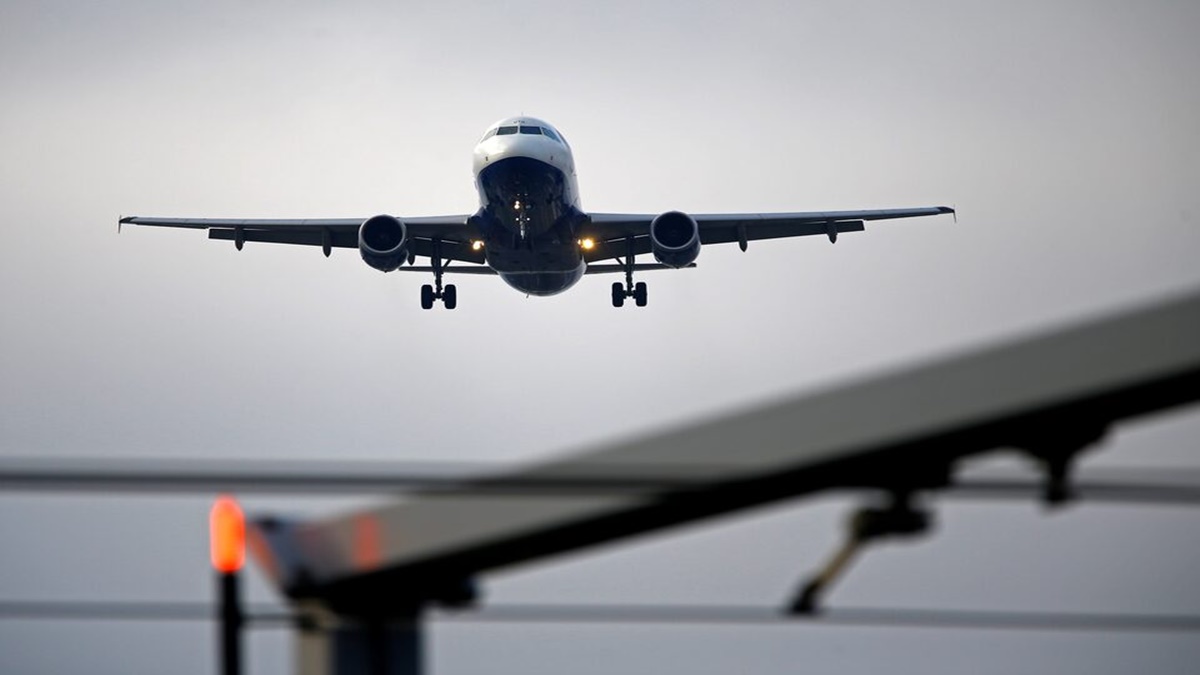
The possibilities of assembling a civilian passenger aircraft in the country are a policy priority of the National Democratic Alliance regime. Last month, the first Made in India Airbus C295 military transport aircraft had a successful maiden test flight from the final assembly line in Vadodara, Gujarat. In end-October 2022, at the foundation ceremony of this manufacturing facility, Prime Minister Narendra Modi stated that India would soon be manufacturing big passenger aircraft proudly bearing the words “Made in India”. On the civilian aviation front, this ambition remains aspirational. However, discernible progress on helicopters and smaller passenger aircraft projects can boost prospects of the Ude Desh ka Aam Nagrik (Udan) scheme that provides connectivity to smaller cities. Besides the C295, Airbus and the Tata Group have inaugurated the final assembly line for H125 helicopters that can bridge the last mile for regional connectivity.
Civil Aviation Minister Kinjarapu Rammohan Naidu indicated “encouraging progress” in smaller aircraft projects in a media interview. Brazilian aerospace major Embraer and Adani Defence & Aerospace have exchanged an enhanced Memorandum of Understanding to establish a final assembly line for the E175 regional jet with a target to roll out the first plane by 2028. India is expected to require at least 500 aircraft in the 80-146 seat segments over the next 20 years. Hindustan Aeronautics Ltd (HAL) has partnerships, including collaborating with the Russian company, United Aircraft Corporation, to manufacture the 87-108 seat regional jet, SJ-100. HAL has also conducted the test flight of the civilian helicopter, Dhruv NG. The Council of Scientific and Industrial Research-National Aerospace Laboratories has completed the design of the 19-seater Saras MK II — the test flight of which is scheduled for the last quarter of FY28.
These regional aircraft projects are bound to strengthen Udan if there is a better alignment between the economics of the aviation business and the imperatives of regional connectivity. Unfortunately, there are serious structural issues as only 7-10% of the Udan routes remain viable once viability gap funding is ended. This funding incentivises private airlines to provide affordable air travel to hitherto unconnected airports in smaller cities. To make it work better, the government enhanced outlays and shifted to a broader aviation infrastructure programme of airport development, operations, and maintenance, including indigenous aircraft acquisition. But the modified Udan still does not resolve demand-side and cost challenges. Smaller aircraft typically have higher per-seat costs and limited tolerance for low load factors. Resolving the economics of this issue is essential for the induction of smaller regional aircraft.
But the higher level of policy ambition on bigger passenger aircraft will take more time to bear fruit. Despite record orders for passenger aircraft from domestic airlines, Airbus and Boeing have resisted policy pressures for final assembly lines citing the critical mass of their investments in engineering, supply chain, and maintenance in the country. Persuading them to set up shop in India needs much greater strategic intent. If the C295 and H125 helicopter deals are taken as exemplars, there is a warrant to similarly reconfigure the historic fleet orders by domestic airlines to ensure that a certain proportion are finally assembled here. Otherwise, there is no deal. But if we have to do it indigenously, making a big passenger aircraft will take more than a decade and substantial resources as China incurred with the single-aisle C919.