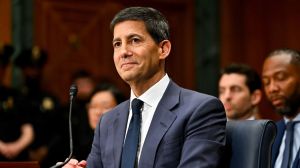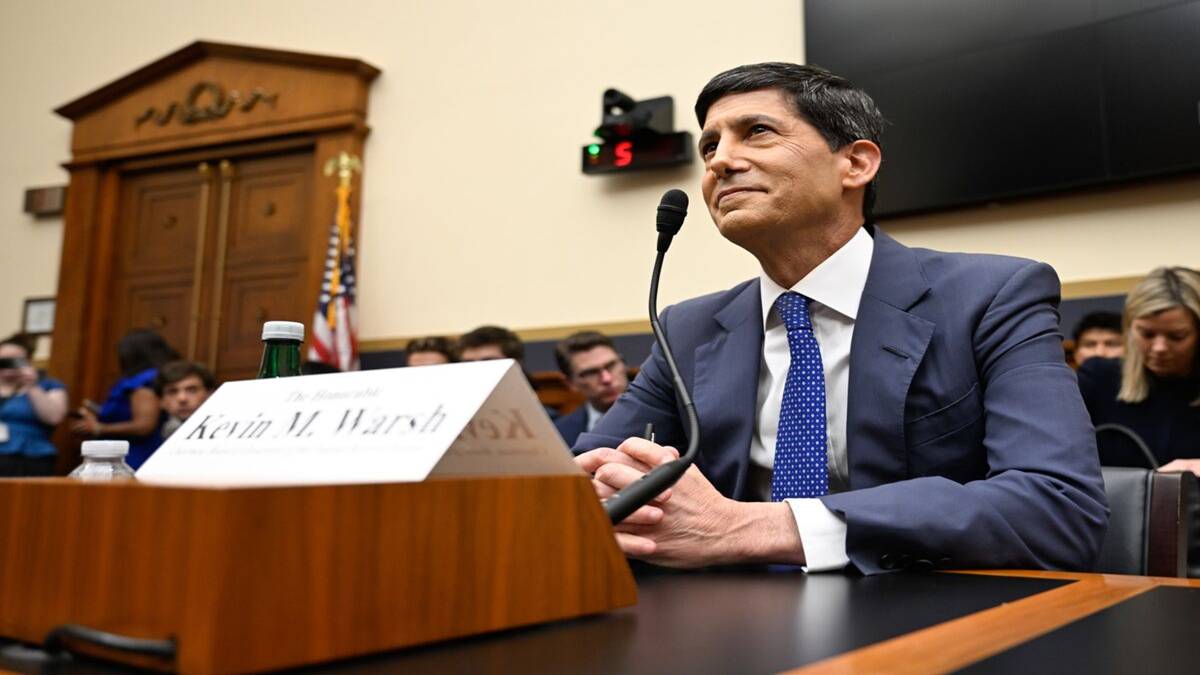
Do investments in AI contribute to inflation? The answer is increasingly in the affirmative, according to Federal Reserve Chair Kevin Warsh. In his testimony before the House Finance Committee on Tuesday, Warsh identified the AI investment boom as a new and significant source of price pressure, citing the quick development of data centers and the rising demand for AI software and equipment as “the most striking feature” of the US economy at the moment.
Warsh’s monetary policy report to Congress flagged a new and important inflationary driver: AI investment. The report highlighted that AI investments are contributing to rising prices and higher software costs, introducing new inflationary pressures not present in previous cycles.
“The most striking feature of the economy right now is business investment. The rapid pace, which appears to be accelerating, reflects, in large part, the construction of data centers and the immense demand for the AI-related equipment and software that fill them,” said Warsh.
Investment in equipment overall increased about 8 percent for the year ending in the first quarter. Within that category, high-tech spending logged an especially impressive growth rate of nearly 25 percent on a four-quarter basis.
“We don’t know the extent to which the economy will benefit from the AI buildout. Yet it seems inevitable that what is now called ‘AI investment’ will soon be called just ‘investment,'” added Warsh.
New opportunities for the economy are introducing new challenges, and policymakers at the Fed are monitoring the implications for inflation and the labor market, noted Warsh.
On the jobs front, Warsh struck a notably positive tone. “America’s labor market appears broadly stable. Job creation has kept pace with the workforce. The unemployment rate is low and has changed little over the past year. We’re seeing relatively few layoffs, only slight variance in the rate of job vacancies, and solid growth in nominal wages,” said Warsh.
Quizzed on Trump
The question everyone was waiting for came early: what would Warsh do if President Trump tried to interfere with monetary policy?
Warsh’s response was direct and unambiguous. He stated he would “do my job” if faced with pressure from President Trump, marking his most direct response yet to potential challenges similar to those his predecessor experienced, reported Reuters.
“I would continue to do my job,” Warsh told lawmakers, echoing comments former Fed Chair Jerome Powell made when asked what he would do if Trump tried to fire him. “Outside the four walls of the Federal Reserve, there’s no doubt a lot of politics. My goal inside the central bank is for there to be no politics. To the extent there’s politics there, we’re going to get rid of it,” said Warsh.
Warsh’s Actions and Clear Direction
Going by his actions since taking over, Warsh does not appear comfortable with the current structure of monetary policy, and he has wasted no time in signalling change. He has already set up a five-member task force and has a clear view on getting inflation down.
“The Fed’s number one objective is to get monetary policy right or as near to it as we possibly can. That is our clear and constant aim, the star we steer by. And if we get policy right — and we will — the inflation surge of the last five years will be a thing of the past,” said Warsh in his statement.
The Inflation Challenge
US inflation has had a turbulent recent history, and the job is far from done. Inflation peaked at 9.1% in June 2022 before decreasing to about 2.4% under Powell’s leadership. However, the Iran war reignited inflationary pressures during April-May. Recent CPI data indicates lower inflation, but this fails to account for the recent 10% surge in oil prices, with Brent now trading above $85.
“My colleagues and I recognize that high inflation has been an undue burden on American households and businesses. While monthly price fluctuations are inevitable, especially in an unsettled world, underlying inflation over longer time horizons is determined largely by monetary policy. The members of our Committee have no tolerance for persistently elevated inflation,” said Warsh.
In a written statement, Warsh reaffirmed the Fed’s commitment to price stability, making clear that policymakers will not tolerate persistently high inflation.
Federal Reserve Chair Kevin Warsh testifies before the Committee on Banking, Housing, and Urban Affairs on Wednesday, July 15, at 10:00 a.m. ET, presenting “The Semiannual Monetary Policy Report to Congress.” He had previously testified at the House Finance Committee on July 14.
Disclaimer: This article provides factual analysis only and is not, and should not be construed as, an offer, solicitation, or recommendation to buy or sell securities. Investment in foreign securities involves significant risks, including currency fluctuations, different financial reporting standards, and varying regulatory environments. Investors must conduct their own independent due diligence and seek advice from a registered financial advisor.