




Sony expands copyright battle
Sony Music has intensified its legal battle against AI music startup Udio by filing an expanded copyright lawsuit, significantly raising the stakes in the case. The label has increased the number of allegedly infringed recordings from 333 to more than 30,000, pushing potential damages from $50 million to around $4.5 billion. Sony, alongside Universal Music Group and Warner Music Group, first sued Udio and rival Suno in 2024, alleging they trained AI models using copyrighted recordings without permission. The case underscores growing tensions between AI developers and the music industry’s copyright protections.
Lorde slams Spotify feature
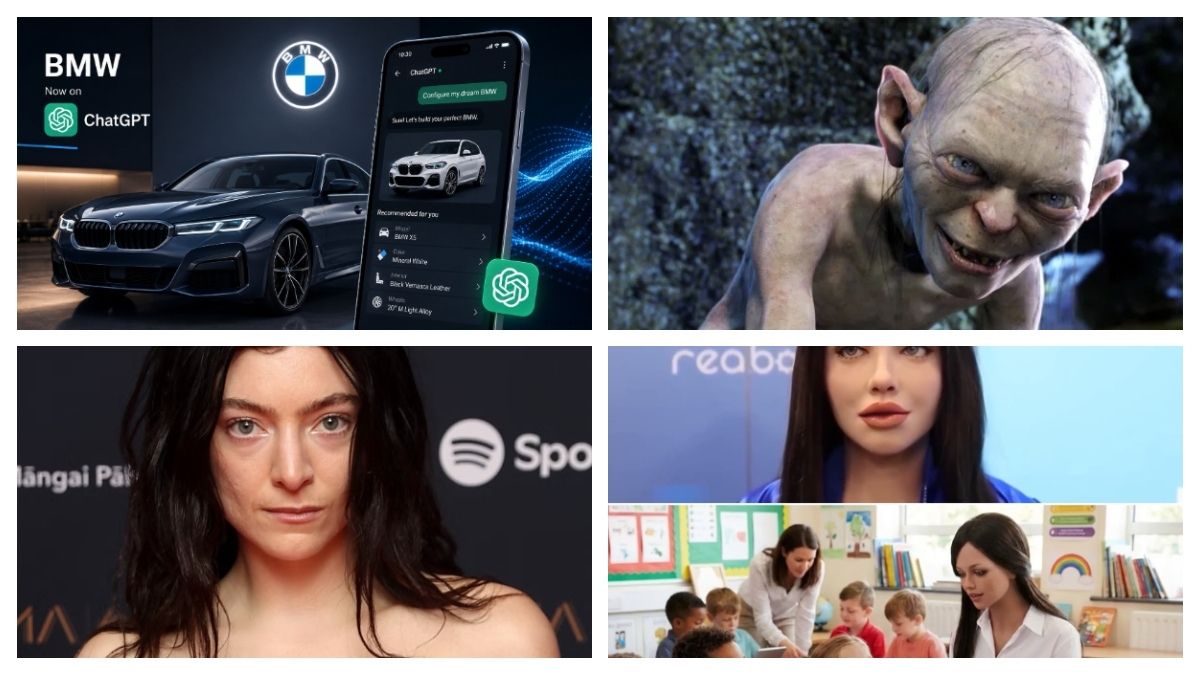
Singer-songwriter Lorde has criticised Spotify’s AI-powered ‘About the Song’ feature, arguing that it misrepresents songs and limits artistic interpretation. The feature, currently in beta, uses AI to summarise background information from third-party sources. Sharing an example involving her song ‘Current Affairs’, Lorde said the generated explanation was factually incorrect and objected to AI assigning a definitive meaning to creative work. She also urged Spotify to allow artists to opt out of the feature. The criticism adds to broader concerns among musicians over AI-generated content and artistic control.
New York school introduces Sally
A school district in western New York will introduce an AI-powered humanoid robot named Sally into classrooms this fall as a teaching assistant. Developed by Toronto-based Realbotix, the robot will support teachers in coding, robotics and AI classes for 11th and 12th grade students following the Woz Ed STEAM curriculum. Costing around $57,600, Sally has a lifelike appearance with silicone skin, expressive facial movements and movable arms, though it cannot walk. School officials say the robot is designed to assist educators rather than replace them.
AI de-ageing tech in film
Upcoming fantasy film The Lord of the Rings: The Hunt for Gollum will use AI-assisted de-ageing technology for some characters, director and actor Andy Serkis has confirmed. Speaking to Variety, Serkis said machine learning will be part of the visual effects process while he reprises his role as Gollum. The announcement comes amid ongoing debate in Hollywood over AI’s role in filmmaking. While some studios have embraced AI-powered production tools, many actors, writers and filmmakers remain concerned that the technology could threaten creative jobs and undermine traditional filmmaking processes.
Armed humanoids for future warfare
A growing number of Silicon Valley entrepreneurs are advocating the use of autonomous humanoid robots in military operations, arguing they could reshape modern warfare. Startup Foundation demonstrated its Phantom robot loading a mortar, with founder Sankaet Pathak envisioning future battlefield systems capable of operating with increasing autonomy. The move marks a departure from industry commitments to avoid weaponising robots. Supporters argue such systems could improve combat precision and strengthen deterrence against rivals such as China and Russia, while critics warn of ethical risks surrounding autonomous weapons and AI-driven warfare.
BMW’s AI vehicle configurator
BMW has become the first automaker to integrate its vehicle configurator with OpenAI’s ChatGPT, allowing customers to explore and customise vehicles through natural conversations. Instead of navigating multiple configuration menus, users can describe preferences such as body style, powertrain, performance, all-wheel drive or intended use, and receive tailored model recommendations. The AI draws on BMW’s latest product and configuration database to provide up-to-date guidance. Once a configuration is finalised, users can transfer it directly to BMW’s online configurator or browse matching inventory. The feature is available on desktop and mobile devices.


