





With the Galaxy Z Fold 8 series, Samsung has changed how it serves its foldable experience to consumers. For years, Samsung treated its flagship foldable line as a one-size-fits-all proposition. Power users and casual buyers alike were handed the exact same footprint, leaving some craving a wider, more pocket-friendly cover screen while others demanded an uncompromising pro-grade camera.
With the release of the Galaxy Z Fold 8 series, the tech giant has finally divided its lineup into two distinct philosophies: a compact and wider Galaxy Z Fold 8 and a productivity titan that is the Galaxy Z Fold 8 Ultra.
The similarities between these phones are more than ever. They both feature the Snapdragon 8 Elite Gen 5 for Galaxy chip, which powers the One UI 9 experience. They both feature the same display technologies, as well as equally great build quality.
But what about the differences? Why should one buy the Z Fold 8 over the Ultra, or vice versa? Why has Samsung split the fold lineup into two models? That’s what we are here to find out.
Note: This comparison comes after spending time with both the Galaxy Z Fold 8 and Galaxy Z Fold 8 Ultra at the Galaxy Unpacked 2026 event.
1. Two approaches to Fold form factor

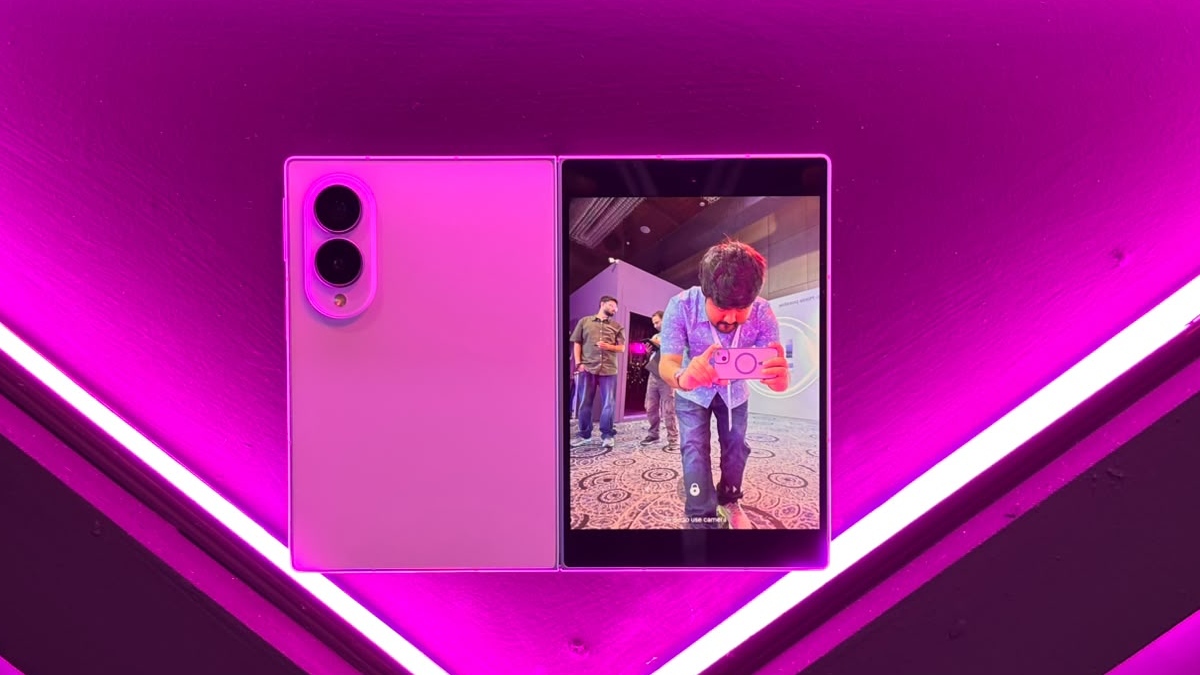
The immediate difference evident when holding both devices is their shape and ergonomics. Samsung redesigned the standard Galaxy Z Fold 8 around a shorter, wider footprint that’s reminiscent of a passport or wallet – reminds me of the BlackBerry Passport. It features a 5.5-inch cover screen with a 16:10 aspect ratio, and unfolds into a 7.6-inch 4:3 main display. The wider aspect ratio makes thumb-typing on the outer display far more comfortable than the Fold 8 Ultra’s narrow aspect ratio. It also allows you to use the cover screen like a conventional phone’s display, thus not forcing you to unfold the large screen all the time.
Tipping the scales at just 201 grams, it is Samsung’s lightest full-sized foldable to date.
In contrast, the Galaxy Z Fold 8 Ultra preserves the taller book-style aesthetic of classic Fold generations, but trims down the chassis significantly. It sports a generous 6.5-inch outer display and expands into a massive 8.0-inch inner canvas designed for heavy side-by-side multitasking. Despite weighing slightly more at 215 grams, the Ultra is actually slimmer than its sibling, measuring a sleek 8.9mm when closed and a razor-thin 4.1mm when open.
2. Cameras differ
The camera is where these two models differ. To achieve the Fold 8’s lighter weight, Samsung opted for a streamlined dual-camera array comprising a 50MP primary sensor alongside a 50MP ultra-wide lens. Samsung promises that this setup should help with crisp and vibrant photos for everyday social sharing. However, it lacks dedicated hardware for long-range optical zoom.
The Galaxy Z Fold 8 Ultra, on the other hand, borrows heavily from Samsung’s S-series Ultra playbook. It equips the 200MP main camera with enhanced HDR support, paired with a 50MP ultra-wide sensor and a dedicated 10MP telephoto lens offering 3x optical zoom. Creative professionals also gain access to advanced video features like 8K recording via the APV codec and custom Cine LUT colour grading — tools that are absent on the standard model.
3. Different batteries
Both smartphones are built to comfortably handle demanding workloads, but the Ultra edition provides extra thermal and battery insurance for extreme users.
The standard Galaxy Z Fold 8 packs a 4,800mAh battery paired with standard 45W wired charging and 20W wireless charging.
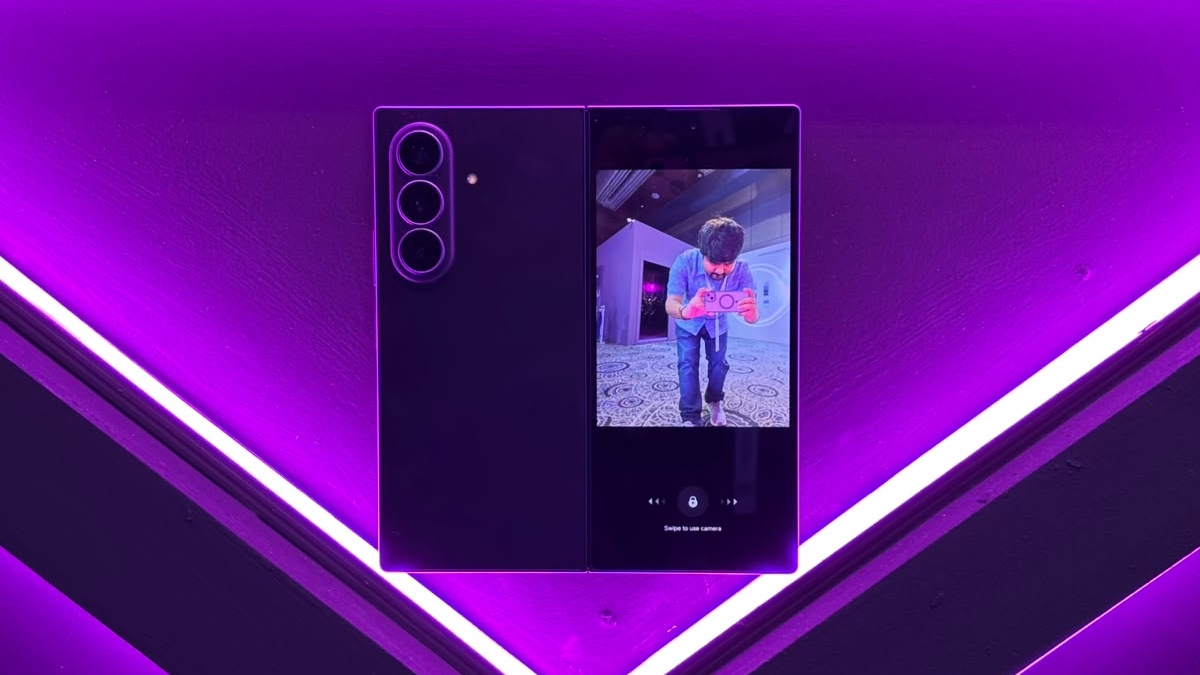
The Galaxy Z Fold 8 Ultra leverages newer silicon-carbon battery technology to cram a larger 5,000mAh capacity inside its thinner frame. To manage heat during prolonged gaming or heavy AI rendering across its massive 8-inch screen, the Ultra includes a dual-path 45W fast-charging architecture and an expanded graphite cooling chamber.
Furthermore, while both phones start at 12GB of RAM for the 256GB and 512GB tiers, opting for the top-end 1TB variant of the Fold 8 Ultra bumps the memory up to 16GB of RAM.
4. Indian pricing
In India, the pricing differences between these two foldables might thrust the decision onto one of these.
Galaxy Z Fold 8: The base 12GB + 256GB variant starts at Rs 1,79,999, moving up to Rs 1,99,999 for 512GB, and maxing out at Rs 2,39,999 for the 1TB edition.
Galaxy Z Fold 8 Ultra: The Fold 8 Ultra starts at Rs 1,99,999 for 12GB + 256GB, Rs 2,19,999 for 12GB + 512GB, and reaches Rs 2,59,999 for the top-tier 16GB + 1TB configuration.
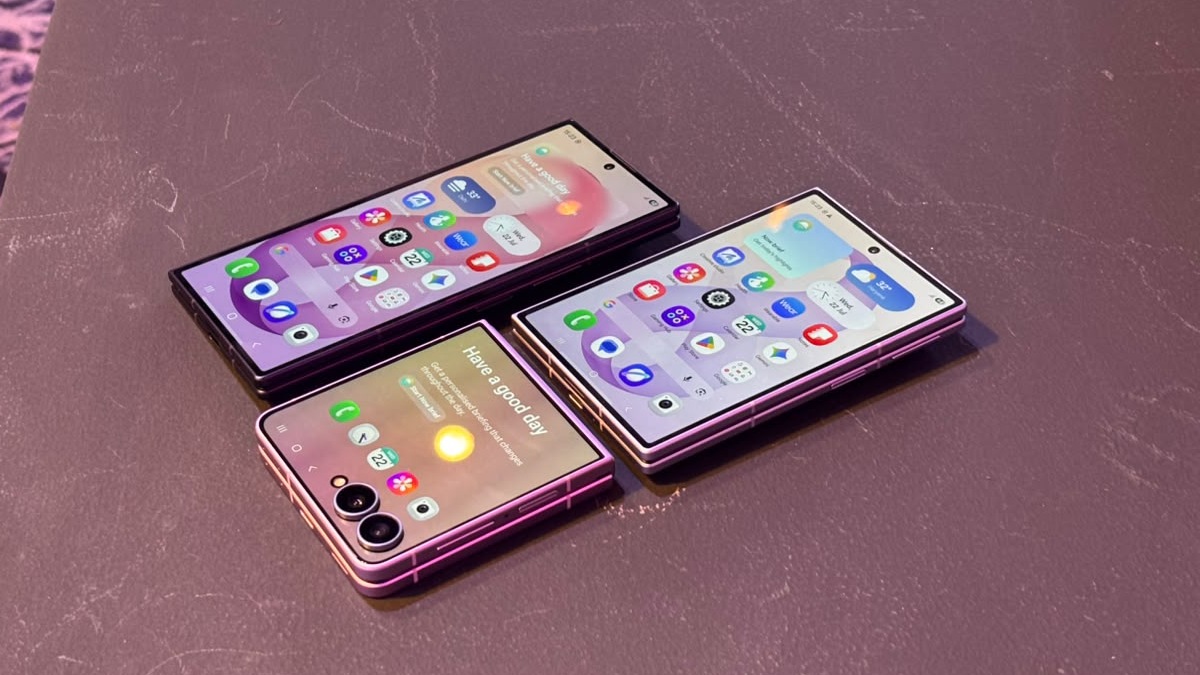
For buyers choosing between the two, the decision boils down to priority. The standard Galaxy Z Fold 8 offers a lighter, wider, and more pocketable form factor at a slightly lower price point, thus seemingly appealing to those seeking a tablet-like expansive screen primarily.
Meanwhile, those who want their foldable to be a mobile workstation or primary camera setup will find the extra investment in the Galaxy Z Fold 8 Ultra well justified.


