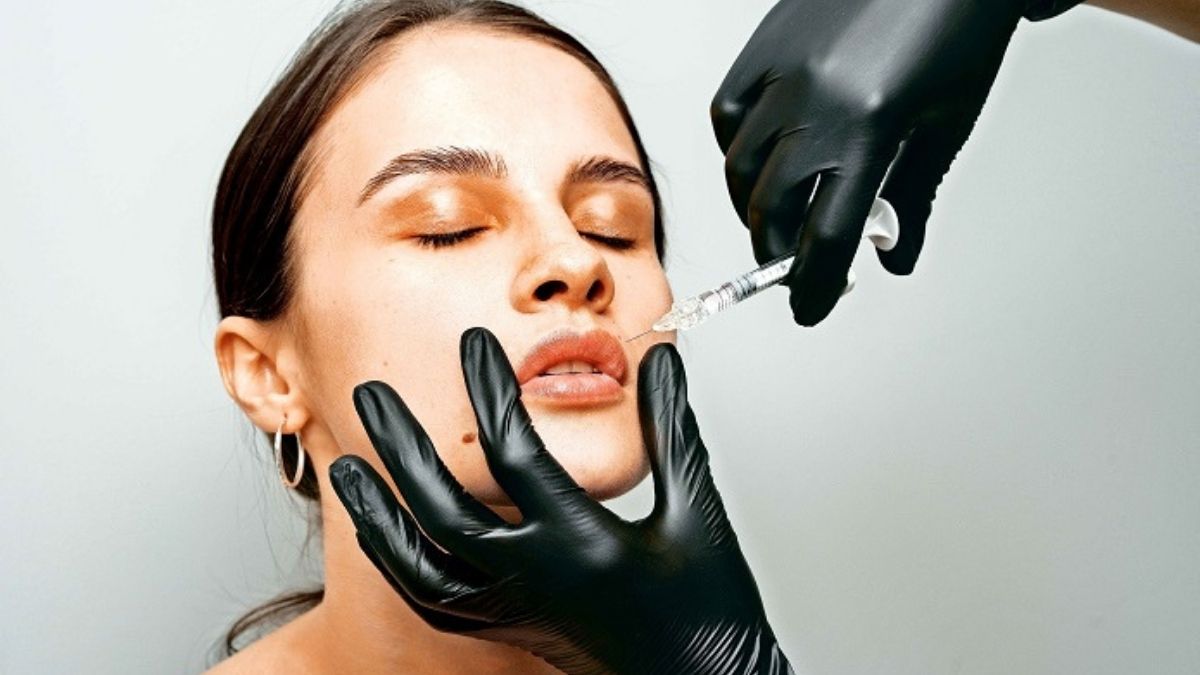
The Indian aesthetics market has witnessed remarkable growth over the past decade, driven by increasing awareness, social media influence, and a growing preference for minimally invasive cosmetic procedures.However, this demand has also resulted in a rise in unregulated providers, beauty salons, and clinics offering medical procedures without appropriate expertise or oversight.
A recent decision to tighten regulation on injectable cosmetic products by the Central Drugs Standard Control Organisation (CDSCO), India’s national regulatory authority under the Ministry of Health and Family Welfare, has, therefore, been seen as a pertinent development in the country’s rapidly growing aesthetic medicine industry. Medical experts say that the move is aimed at protecting patients from unsafe procedures, counterfeit products, and treatments performed by unqualified practitioners.
Regulation = lower demand?
According to Dr Ambrish Gupta, director, plastic, cosmetic and reconstructive surgery, CK Birla Hospitals, Jaipur, the CDSCO decision is expected to improve public awareness rather than reduce interest in aesthetic treatments. “Such a ban will most likely create a general awareness of the importance of a medically controlled aesthetic procedure. There might be a bit of disruption in the availability of certain injectable cosmetic products but at the same time, consumers are slowly becoming more careful and looking for the most qualified dermatologists or plastic surgeons,” he says. “In the end, this step will be likely to promote patient safety and prevent the cosmetic procedures being done by unqualified people.”
Dr Hitesh Gupta, reconstructive and plastic surgeon at Park Group of Hospitals, emphases that patient demand is unlikely to diminish, “because patients are seeking natural-looking rejuvenation, improved self-confidence and healthy ageing rather than dramatic cosmetic change,” he points out. He adds that the regulatory action presents “an opportunity for the aesthetic industry to further strengthen standards of quality, safety and accountability”. Dr Ritupurna Dash, senior consultant, dermatology, Medanta, Noida, too, believes the move will ultimately strengthen confidence in evidence-based aesthetic medicine. “The overall patient demand for evidence-based aesthetic procedures is expected to improve. The ban may improve patient trust by reducing access to unregulated products.” Qualified practitioners who already rely on approved products are unlikely to be significantly affected.
Dr Anil KV Minz, senior consultant, dermatology, Marengo Asia Hospitals, Faridabad says, “I would suggest they should do a check on such clinics known to be offering these services every six months. They can also take help of any local or state level dermatology associations to help identify such clinics.”
Safety = medical expertise
Experts stress that injectable cosmetic treatments are medical procedures – not beauty services. Dr Hitesh Gupta notes that injectables have “an excellent safety profile”when administered correctly but warns that they remain medical interventions. “More significant complications — although uncommon — include infection, vascular occlusion, tissue necrosis, visual impairment and delayed inflammatory reactions. These complications require prompt recognition and immediate management by clinicians who possess detailed knowledge of facial anatomy and complication protocols,”he adds.
Dr Ambrish Gupta, too, explains, “The side effects can be very small or they may be quite severe such as allergic reactions, infections, bruising, swelling, nerve injury, vascular blockage, tissue damage, and very rarely blindness or stroke. The safety depends more on the skills of the medical practitioner and the genuineness of the product rather than on the injection itself.” Dr Dash also stresses that complications become substantially more likely when fake products or untrained operators are involved. He says, “Risks of complications are much higher if fake products are utilised and non-medical personnel conduct these procedures.” Doctors frequently treat patients who develop complications after receiving injections at unlicensed clinics or beauty salons. Dr Minz attests to this, sharing that he has also treated patients who have presented with severe burns and inflammation from such beauty clinic treatments. Dr Ambrish Gupta says these cases are not uncommon, adding that in some unfortunate cases, incorrect injection techniques have resulted in serious complications requiring prolonged treatment.
Consultation imperative?
According to Dr Ambrish Gupta, “through a proper medical examination, the doctor evaluates if the patient qualifies for the procedure, finds possibilities of contraindications, and manages the patient’s expectations as well”. However, he cautions that not every cosmetic clinic employs qualified specialists and advises patients to verify practitioners’ credentials independently.
“Every patient considering cosmetic injectables should undergo a consultation with a qualified medical doctor before treatment,” Dr Hitesh Gupta stresses. He warns that some patients continue to make decisions based on “social media marketing or discounted pricing rather than medical credentials”.
Skin clinics like VLCC and Kaya Skin Clinic, among several others, offer botox injections for customers, typically with a dermatologist attached to the chain for consultations with customers. This is where experts draw the distinction — those opting for such procedures are not only customers but patients. “The concern lies in glutathione injections, a pharmaceutical product with approvals for specific medical indications, not for skin-lightening anywhere in the world were being administered in beauty salons as a ‘cosmetic’ to sidestep regulation,”says Ajit Marathe, founder of SkinBB (Skin Beyond Borders), a skincare digitech platform conducting research on skincare and beauty industry and products. “Products like exosome treatments, NAD+ IV drips, and injectable collagen peptides sit in a complete regulatory vacuum with no regulatory approval globally, yet offered freely in medi-spas across India,”he adds.
This reporter reached out to VLCC Wellness, who declined to comment, and no response was received from Kaya Skin Clinics till the time of going to press. Their websites still list the service, also specifying that certified dermatologists are attached to the procedures with sterile and well equipped rooms for doctors to administer them. Marathe says, “India has upwards of 35,000 skin clinics, roughly 90% of which are unorganised.” While VLCC and Kaya are the main players in the market, other skin clinics offering botox injections include Eevara, Skinlogics Clinic, Anugraha Skin and others, among others, all of which are not simply beauty and aesthetic establishments, but certified skin clinics with doctors trained to administer glutathione and other skin injections on their rosters, as per their websites.
Claims & alternatives
Experts also caution patients against exaggerated advertising frequently seen on social media and online marketing campaigns. Skin brightening treatments, anti-pigmentation injections and the like are often overestimated by manufacturers both on the packaging as well as in the marketing. Dr Ambrish Gupta identifies several misleading claims. “Promises to give permanent results, procedures entirely without risks, instant transformation, and suitability for anyone are some of the most common cases of misleading or untrue claims.” Dr Hitesh Gupta similarly warns, “Good aesthetic outcomes depend on appropriate patient selection, sound clinical judgement, anatomical expertise and realistic expectations – not marketing claims.” Additionally, injectables are not the only option available as far as aesthetic treatments are concerned.
Dr Ambrish Gupta lists alternatives including “medical-grade skincare, chemical peels, microneedling, laser resurfacing, radiofrequency skin tightening, ultrasound-based treatments, PRP therapy, and different kinds of procedures that stimulate collagen”.
Dr Hitesh Gupta, too, recommends prescription skincare, chemical peels, laser resurfacing, radiofrequency, ultrasound-based skin tightening, microneedling and platelet-rich plasma (PRP) therapy, while also highlighting the importance of sun protection, nutrition, hydration and smoking cessation for long-term skin health.
Dr Dash adds that advanced technologies that do not involve injecting chemicals into the skin also exist, such as – HIFU (High-Intensity Focused Ultrasound, which is a non-invasive cosmetic treatment that uses focused ultrasound energy to heat deep layers of the skin, and stimulates natural collagen and elastin production, MNRF (Microneedling Radiofrequency, which is an advanced, minimally invasive cosmetic procedure that uses fine needles and radiofrequency energy to stimulate the body’s natural collagen and elastin production as well), fractional lasers, exosomes, PDRN (popular in Korean beauty for promoting tissue repair), skin boosters and I-PRF (an all natural blood serum extracted from one’s own blood which slowly releases growth factors over several weeks to stimulate collagen production and tissue regeneration), among the expanding range of non-surgical skin rejuvenation options.
Is ban sustainable?
Dr Ambrish Gupta believes regulation should reflect the reality that these are medical procedures and not beauty treatments. He calls for “routine inspections, better control over product imports and distribution, compulsory reporting of adverse events, and heavy penalties for breaking the rules”, while emphasising collaboration between regulators, medical councils and law enforcement agencies. Dr Hitesh Gupta also opines that long-term patient safety depends on “robust regulation, effective enforcement and sustained public education.”
The CDSCO’s regulatory action seeks to position aesthetic medicine as a medical specialty requiring appropriate training, approved products and accountable clinical practice. According to Marathe of SkinBB, “Uniform enforcement is not realistic, so the strategy must be calibrated by tier. For approved products, the problem is the practitioner, not the product being credentialled through state medical councils. For Tier 2 products like glutathione, the lever is supply-chain interdiction. For tier 3 products with no legitimate supply chain, enforcement comes through customs and complaint-driven action,” he explains. By discouraging counterfeit products, strengthening licensing, and encouraging patients to seek qualified medical care, the new regulatory framework has the potential to significantly improve safety in this fast-growing healthcare sector.