




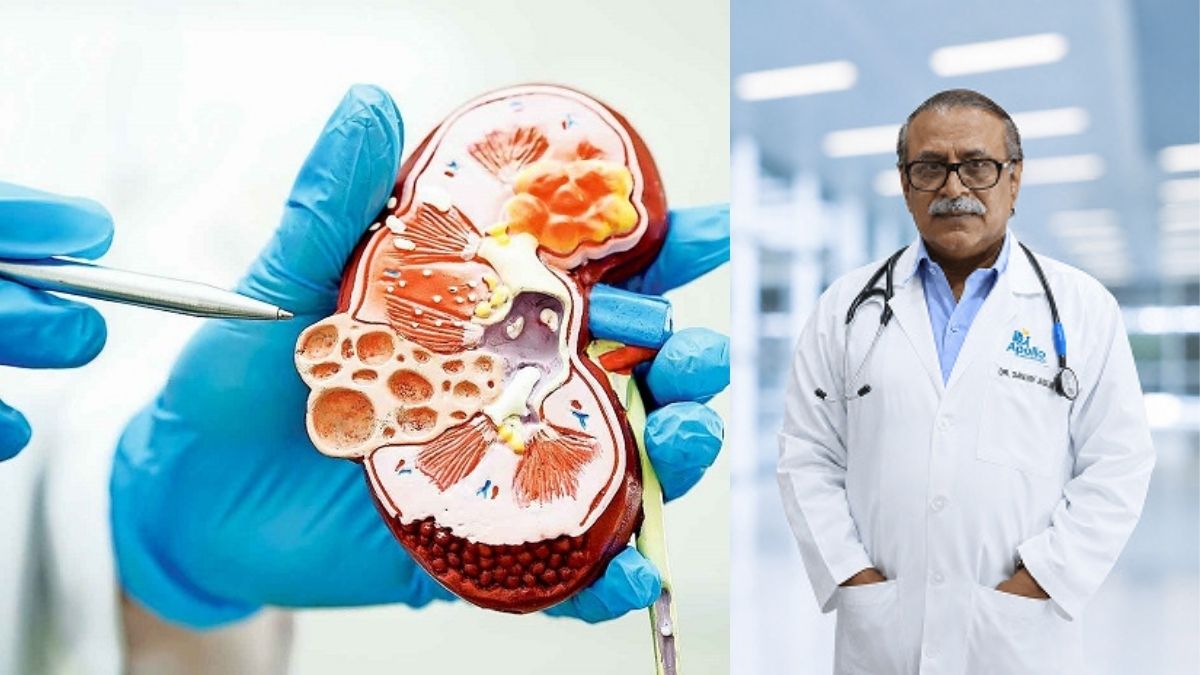
A new Lancet study reveals chronic kidney disease is now the ninth greatest cause of death globally, with the number of adults living with CKD having more than doubled over the past three decades-from about 378 million in 1990 to nearly 788 million in 2023. What are the main causes of CKD? Dr Sanjiv Jasuja, senior consultant, nephrology, Indraprastha Apollo Hospital, Delhi, says: “Chronic kidney disease (CKD) is most commonly caused by diabetes and high blood pressure, which together account for a majority of cases.
Other causes include certain kidney diseases such as glomerulonephritis, inherited conditions like polycystic kidney disease, recurrent kidney infections, kidney stones, autoimmune disorders, and prolonged use of certain pain-relieving medications. Ageing, obesity, smoking and cardiovascular disease can also increase the risk.”
How can we screen and watch out for warning signs?
One of the biggest challenges with CKD is that it often causes no symptoms in its early stages. This is why people with diabetes, high blood pressure, heart disease, obesity, a family history of kidney disease, or those above 60 years of age should undergo regular screening.
Simple tests such as a blood test to estimate kidney function (eGFR), a urine test to detect protein leakage, and blood pressure monitoring can help detect kidney disease early. Symptoms such as swelling in the feet or face, persistent fatigue, changes in urination, loss of appetite, or uncontrolled blood pressure usually appear later and should not be relied upon for diagnosis.
Is the rate of progression of CKD similar in every patient, and is every CKD patient sure to reach kidney failure?
No. CKD progresses differently from person to person. Many patients, especially when diagnosed early, can maintain stable kidney function for years with appropriate treatment and regular follow-up. The rate of progression depends on factors such as the underlying cause of CKD, blood pressure and blood sugar control, the amount of protein in the urine, lifestyle habits, and adherence to treatment. Not every patient with CKD will develop kidney failure or require dialysis or transplantation. Early diagnosis and timely management can significantly slow disease progression.
How can we preserve kidney function despite having CKD-medically and with lifestyle?
The primary goal is to slow further damage to the kidneys while managing the underlying cause. This includes controlling blood pressure and diabetes, taking prescribed medications regularly, and monitoring kidney function through periodic tests. Some patients may also benefit from newer medications that have been shown to slow CKD progression, depending on their condition. Lifestyle measures are equally important.
Maintaining a healthy weight, limiting salt intake, eating a balanced diet as advised by the treating doctor or dietitian, staying physically active, avoiding smoking, limiting alcohol, and avoiding unnecessary use of painkillers or herbal supplements can all help preserve kidney function. Regular follow-up with a healthcare provider allows treatment to be adjusted as needed and complications to be detected early.


