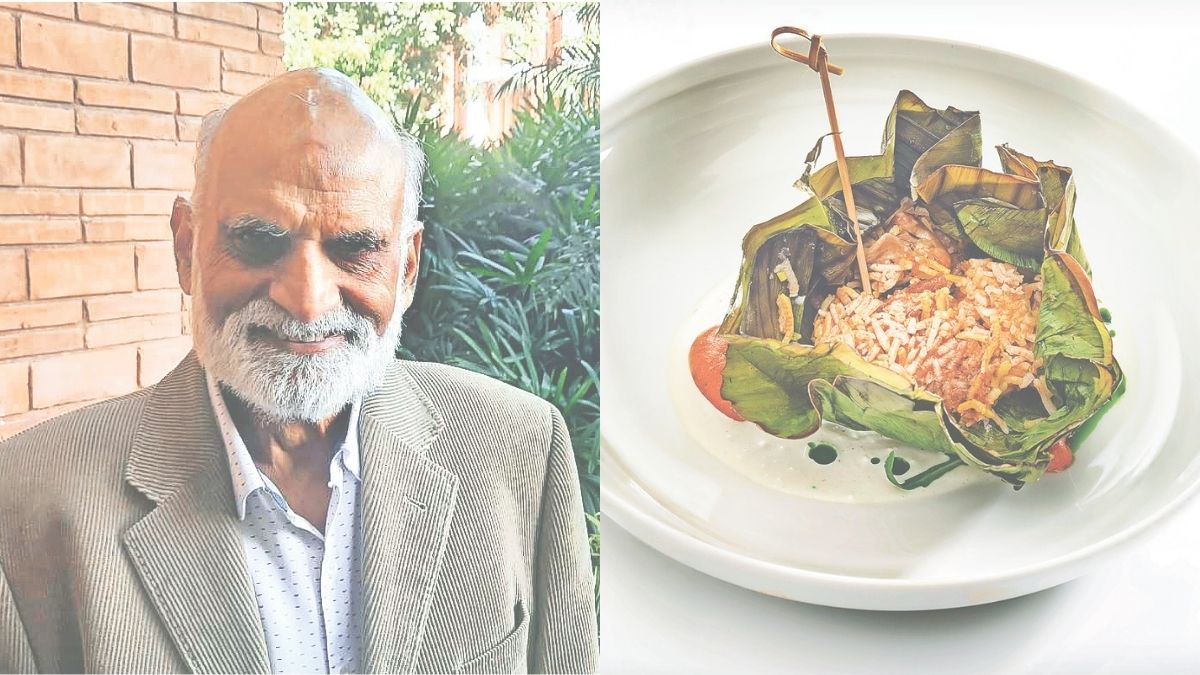
Anil Rajput is the secretary of Cuisine India Society, a platform dedicated to preserving, documenting, and promoting India’s rich culinary heritage. In an interview with FE, Rajput speaks about the society’s key initiatives, some of the food traditions that deserve greater attention, and bringing hidden culinary treasures into the public domain, and more. Edited excerpts:
Q1: What does the Cuisine India Society aim to do?
Cuisine India Society is dedicated to preserving, documenting, and promoting India’s extraordinary culinary heritage. India is home to one of the world’s richest food cultures, with every region, community, and household carrying unique culinary traditions that have evolved over centuries. Our objective is to create a credible knowledge platform that celebrates these traditions while ensuring they remain relevant for future generations.
We work towards researching regional cuisines, documenting traditional recipes and food practices, encouraging culinary innovation rooted in heritage, and building greater appreciation for Indian cuisine both within the country and globally. Beyond gastronomy, we see food as a reflection of culture, sustainability, wellness, and community, and our efforts seek to showcase these deeper dimensions of Indian culinary traditions.
Q2: What are the initiatives you are planning to popularise Indian cuisine?
We are pursuing a multi-pronged approach to popularise Indian cuisine. One of our key initiatives is to spotlight lesser-known regional cuisines through curated culinary experiences, research projects, storytelling platforms, and collaborations with chefs, scholars, and cultural practitioners.
We are also building repositories of culinary knowledge, documenting traditional recipes, indigenous ingredients, and food practices that are at risk of being forgotten. Digital content, educational programmes, culinary dialogues, and food heritage events will play an important role in bringing these stories to a wider audience. In the long term, we would like Indian cuisine to be appreciated not merely as food but as a complete ecosystem encompassing wellness, sustainability, agriculture, local ingredients, and cultural identity.
Q3: Which Indian cuisines do you think have not got their due?
India’s culinary diversity is so vast that many deserving cuisines remain underrepresented compared to a handful of globally recognised dishes. While cuisines from Punjab, Delhi, or parts of south India have gained considerable visibility, there are several remarkable food traditions that deserve greater attention.
The cuisines of Odisha, the Northeast, Bundelkhand, Mithila, Kumaon, Garhwal, Bastar, and several tribal communities remain relatively unexplored by mainstream audiences. These culinary traditions are rich in indigenous ingredients, sustainable food practices, and unique techniques that have been preserved across generations.
Our endeavour is not to rank cuisines but to ensure that every region of India gets an opportunity to tell its culinary story and receive the recognition it deserves.
Q4: Home chefs are usually the custodians of the best recipes. Is society doing anything to promote them or their recipes?
Absolutely. In many ways, home chefs are the true custodians of India’s culinary heritage. Some of the most authentic recipes, cooking methods, and food traditions have survived because they have been preserved in homes rather than commercial kitchens.
Cuisine India Society strongly believes that these voices deserve a larger platform. We are exploring initiatives to document family recipes, highlight regional home cooks, and create opportunities for them to share their culinary knowledge with wider audiences. Through storytelling, recipe documentation, workshops, and collaborations, we hope to bring many of these hidden culinary treasures into the public domain while ensuring their authenticity is preserved.
Q5: Any publications or books being planned by the society that can be accessed by the masses?
Knowledge documentation is an important pillar of our work. We are actively exploring publications that focus on India’s regional cuisines, culinary histories, indigenous ingredients, and traditional food wisdom. Our objective is to create resources that are informative, accessible, and valuable for food enthusiasts, students, researchers, and professionals alike.
While specific titles and timelines will be announced at the appropriate stage, our broader vision is to build a comprehensive body of culinary knowledge that can serve as a lasting reference for anyone interested in understanding the depth and diversity of Indian cuisine.
Q6:Any plans to promote Indian regional cuisine through events and promotions?
Certainly. The enthusiastic response to our recent focus on Odia cuisine reinforces the need for more such initiatives. We see these events as an important way to celebrate India’s regional food traditions and bring them into the national conversation.
Going forward, we intend to organise similar programmes featuring different regional cuisines from across the country. We are also exploring formats that can make these experiences more accessible, including public-facing events, educational sessions, digital content, collaborations with culinary institutions, and community engagement initiatives.
Our larger goal is to create a sustained movement that encourages people to discover, appreciate, and take pride in the incredible diversity of Indian cuisine. Every regional cuisine has a story to tell, and we want to ensure those stories reach as many people as possible.