The Delhi Police on Thursday rejected claims that the Lieutenant Governor’s decision to authorise the Police Commissioner to exercise powers under the National Security Act (NSA), 1980, was aimed at suppressing the ongoing Cockroach Janta Party (CJP) protests in the national capital. The police said the order was a routine renewal of preventive detention powers and had been issued before the protests began.
What does the NSA order say?
Earlier this month, in a routine renewal, the Delhi Lieutenant Governor had authorised the Delhi Police Commissioner to exercise the powers of a detaining authority under the NSA for a period of three months. The authorisation is effective from July 19 to October 18, 2026. It empowers the Police Commissioner to issue preventive detention orders under the provisions of the NSA during the specified period. The order will remain in force until October 18 unless it is modified or withdrawn earlier.
Delhi Police calls claim ‘misleading’
The Delhi Police said the order was issued on July 7, well before the CJP protests began, and is part of a standard administrative process followed every three months.
“Misleading information is circulating on social media claiming that the Commissioner of Police, Delhi, has been granted detention powers under the National Security Act (NSA) specifically to suppress the ongoing CJP protests,” the police said in a post on X.
Misleading information is circulating on social media claiming that the Commissioner of Police, Delhi, has been granted detention powers under the National Security Act (NSA) specifically to suppress the ongoing CJP protests.
— Delhi Police (@DelhiPolice) July 23, 2026
In this regard, it is officially clarified that the…
“In this regard, it is officially clarified that the order in question is a routine, quarterly extension of powers under the NSA, which is conventionally renewed every three months,” it added.
The police further said the current renewal was issued on July 7 for the period beginning July 19 and ending October 18.
“Furthermore, no specific request was initiated for this order in relation to recent events. The renewal constitutes a standard administrative procedure and has been misinterpreted out of context,” the Delhi Police said.
Order predates CJP protests
The clarification comes amid growing tensions surrounding the CJP protests in Delhi. According to the police, the NSA powers were renewed before the commencement of the protests, making the claim that the order was issued specifically to deal with the agitation factually incorrect.
The NSA allows authorities to order preventive detention in cases where they believe an individual’s activities could pose a threat to national security, public order or other specified interests. The exercise of such powers is subject to the provisions and safeguards laid down under the law.
CJP protests escalate in Delhi
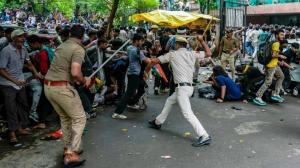
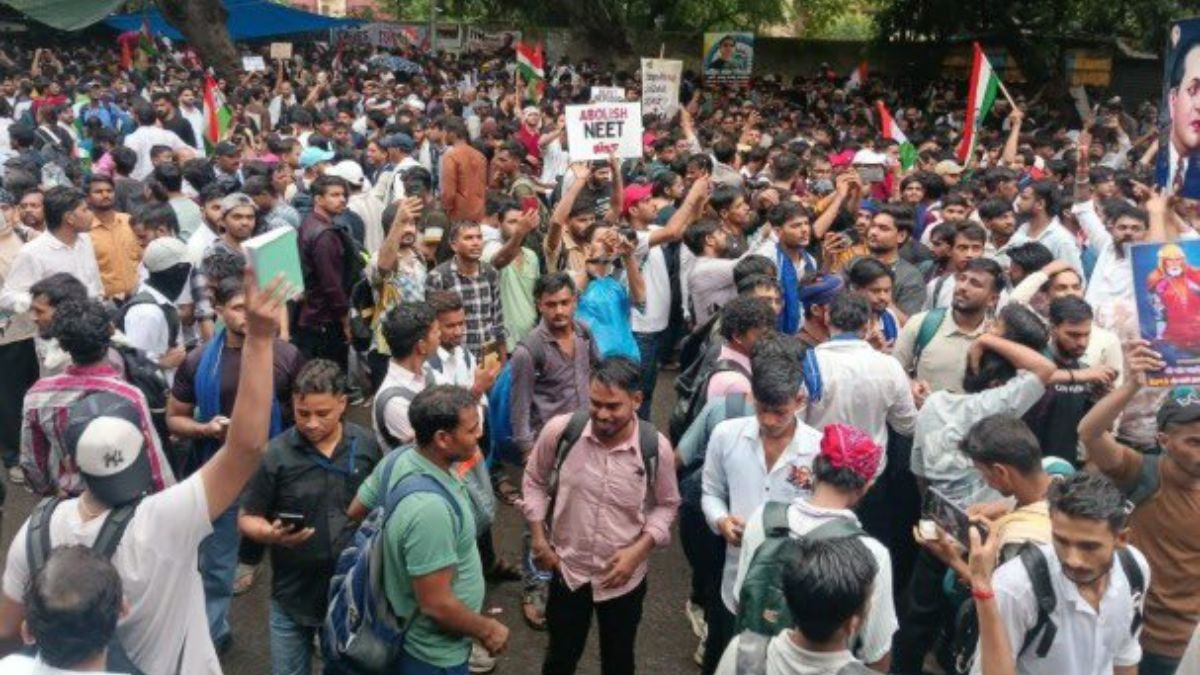
The clarification came as tensions intensified around the CJP protest site near Jantar Mantar. A fresh clash was reported late at night near Sansad Marg, close to The Park hotel, amid the ongoing youth-led agitation. The incident reportedly led authorities to suspend internet services in parts of Central Delhi.
Security personnel, including Delhi Police and the Rapid Action Force (RAF), used tear gas shells after protesters spilled onto the road. Police alleged that protesters pelted stones at security personnel, with some personnel being chased towards the main radial road of Connaught Place.
How the CJP movement began
The Cockroach Janta Party was initially floated by Boston University graduate Abhijeet Dipke as a satirical social media campaign following a remark attributed to Chief Justice of India Surya Kant in May. The campaign subsequently evolved into a broader youth-led movement against alleged examination irregularities and other concerns surrounding competitive examinations.
The protesters have also demanded the resignation of Education Minister Dharmendra Pradhan. The CJP began its protest at Jantar Mantar on June 20. Climate activist Sonam Wangchuk joined the agitation on June 28 and announced an indefinite hunger strike.
The movement intensified last weekend after Wangchuk was allegedly taken to Safdarjung Hospital against his will amid concerns over his deteriorating health. Protesters described the action as “forcible”.