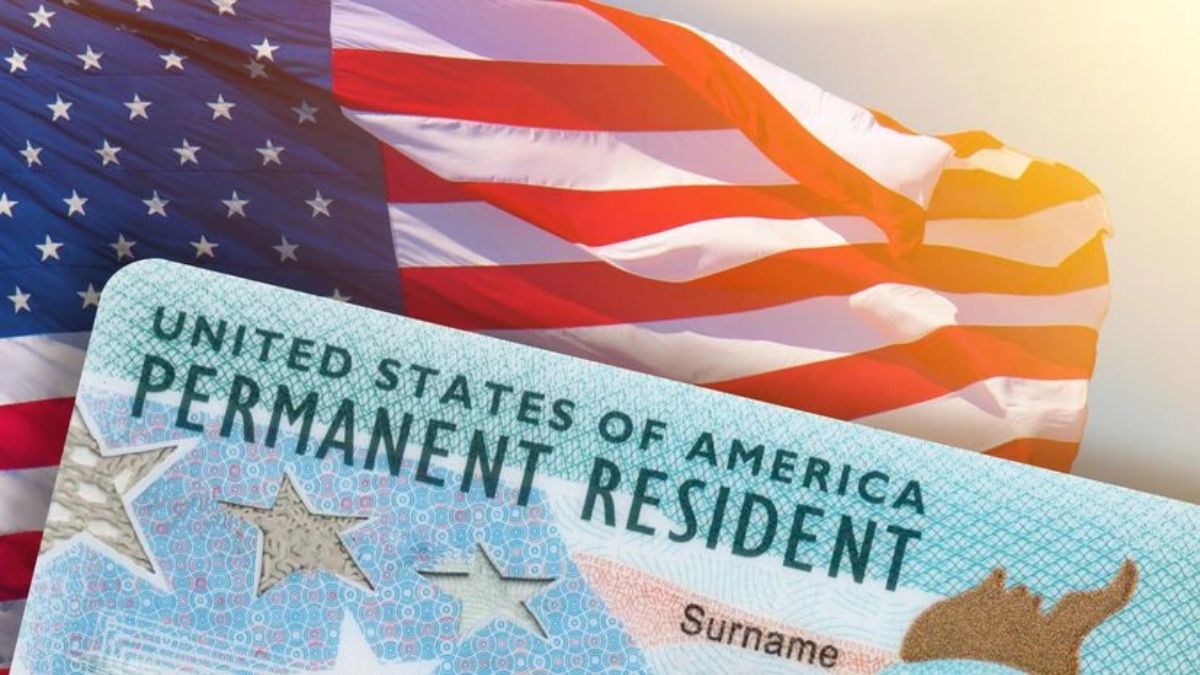
The Trump administration is working on a new immigration proposal that could require some people applying for US green cards from outside the country to pay a bond of up to $100,000 before they are allowed to move to the United States.
The proposal has been in discussion for some time now, but hasn’t received a green flag from Congress. However, officials familiar with the matter told WSJ that the idea is part of Trump’s bigger effort to tighten immigration rules and make sure immigrants can support themselves financially instead of relying on public assistance.
Who could be affected?
According to a report from WSJ, the proposal would apply to people applying for immigrant visas at US embassies and consulates abroad. These are visas given to people who plan to permanently settle in the United States and receive a green card after entering the country.
Officials have discussed setting the bond at $100,000 in many cases, although the amount may not be the same for everyone. Depending on an applicant’s situation, the bond could be higher or lower.
The administration is also considering introducing the plan first in a limited number of countries before expanding it further if it works as expected.
How would the bond work?
According to WSJ, applicants would have to pay the bond before receiving their immigrant visa. They would only get the money back after becoming US citizens.
Since becoming a US citizen usually takes at least five years, the government would keep the money during that period. Officials believe the bond could act as a financial guarantee if an immigrant later became unable to support themselves.
The discussions have also included allowing relatives or family members to pay the bond on behalf of the applicant.
What has the Trump administration said?
State Department spokesperson Tommy Pigott confirmed that the administration is looking at using existing immigration laws to require some visa applicants to post bonds.
“President Trump has made clear that those who wish to immigrate to the United States must be financially self-sufficient,” Pigott said.
He added that the State Department is exploring its authority under the Immigration and Nationality Act to require certain applicants to post a bond “as a way to demonstrate they have access to the funds needed to support themselves.”
Tourist visa bond program may become a model
The proposed green card bond would build on a separate bond program the State Department began testing last August for tourist visa applicants.
Under that pilot program, visitors from Malawi and Zambia were asked to pay refundable bonds of up to $15,000. The money would be lost if they stayed beyond the allowed period or tried to change their immigration status after arriving in the United States, such as by applying for asylum.
The program has since expanded to 50 countries, most of them in Africa.
The State Department says the pilot has produced positive results, with about 97% of visitors who paid the bond leaving the U.S. before their visas expired.
However, people familiar with the program say the number of tourist visas granted has fallen sharply.
Who usually applies for immigrant visas?
Immigrant visas are mostly used by close relatives of U.S. citizens, including spouses, parents and siblings, who want to permanently move to America.
They are used less often for employment-based immigration. In most work-related cases, companies first hire foreign workers on temporary visas such as the H-1B and later sponsor them for green cards after they are already living in the United States.
The State Department generally issues around 500,000 immigrant visas every year, although officials expect that number to fall drastically this year.
Visa restrictions have already become tighter
The proposed bond is not the administration’s first move to tighten immigration.
Earlier this year, the Trump administration paused immigrant visa processing for 75 countries, including Pakistan, Nigeria and Brazil. The pause has been in place since January.
While the State Department continues to process temporary visas such as tourist and student visas, people seeking permanent immigration from those countries have not received final decisions on their applications.
Officials involved in the discussions do not expect that pause to end even if the new bond policy is introduced.
Background
Since Trump’s first term, his immigration advisers, especially Stephen Miller, have looked for ways to make it harder for immigrants to become permanent residents if they were likely to depend on government assistance.
Most green card holders cannot receive many federal public benefits until they have held permanent resident status for at least five years.
That effort led to the 2019 Public Charge Rule, which required green card applicants to pass a test that examined factors including their financial resources, education, English-language ability and disabilities to determine whether they might rely on public assistance.
Immigration lawyers warn the plan could shut out many families
Immigration experts believe the proposal could make it much harder for ordinary families to move to the United States.
Sharvari Dalal-Dheini, head of government relations at the American Immigration Lawyers Association, said the high bond would discourage many people from applying.
“The goal of bonds is, it seems, to keep out a certain type of immigrant,” Dalal-Dheini said. “We’re making our system pay-to-play: only the wealthy can come visit, or reunite with family, or seek a better life for themselves.”
Critics argue that most people applying to immigrate earn much lower salaries than Americans and simply would not be able to afford such a large payment, even if they eventually receive it back. Many immigrants move to the US specifically to improve their financial situation through better-paying jobs.
The $100,000 green card bond proposal has not yet become official policy, and discussions inside the administration are still ongoing.
If approved, it would represent one of the biggest financial requirements ever proposed for people seeking to permanently immigrate to the United States and is expected to face strong criticism from immigration lawyers and advocacy groups, who argue it would make legal immigration much harder for lower-income families.
Trump’s Green Card ‘public charge’ rule
In the meantime, the Trump administration has brought back a tougher version of the “public charge” rule that could make it harder for some immigrants to get green cards if they have used certain government benefits like Medicaid, food stamps (SNAP) or housing assistance.
The rule, published in the Federal Register on July 17 and set to take effect around September after a 60-day rollout, gives USCIS officers powers to consider an applicant’s financial situation, health, age, education, job skills and use of public benefits when deciding green card applications.
It replaces the narrower Biden-era policy introduced in 2022, though refugees, asylum seekers and several other protected groups remain exempt. The Trump administration says the change reinforces the principle that immigrants should be financially self-reliant, while critics argue it could discourage many eligible immigrant families from using healthcare, food or housing benefits out of fear it may hurt their immigration prospects.