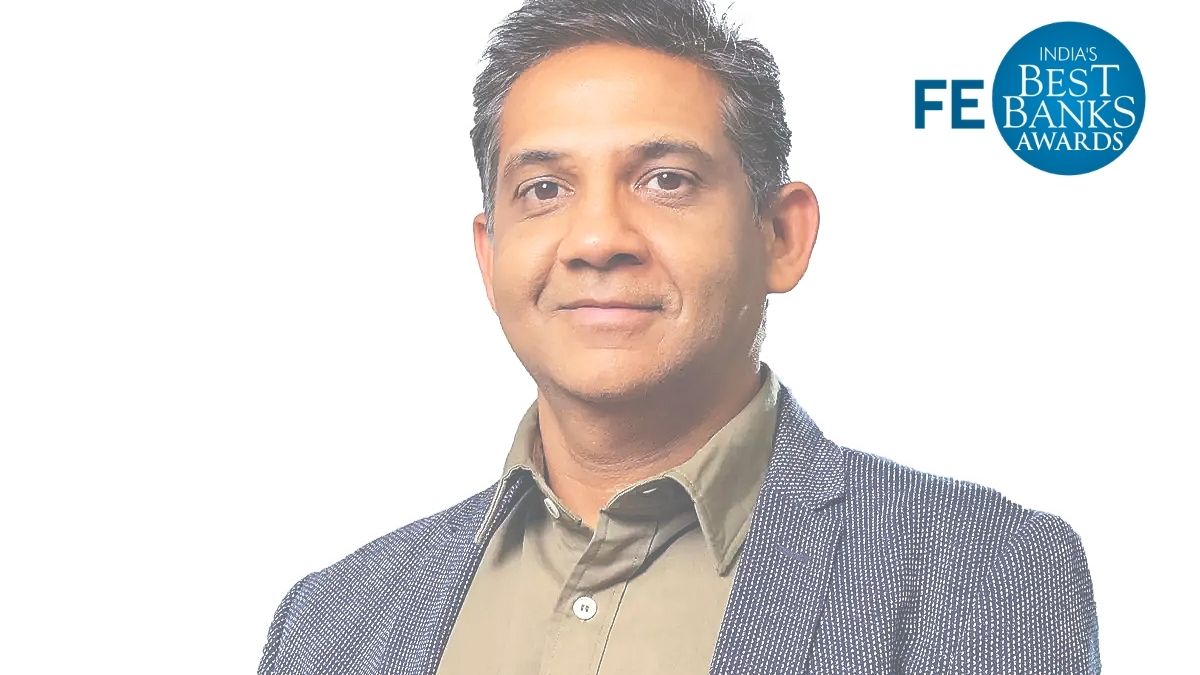
Most digital lenders chase the same customer: urban, salaried, credit-visible. Moneyview has built its business by going the other way.
The Bengaluru-based fintech, led by Co-founder and CEO Puneet Agarwal, is heading to the public markets with a proposition rooted in smaller cities and thin-file borrowers — people with limited formal credit histories whom traditional lenders have long deemed too risky to serve profitably. Nearly 80% of Moneyview’s monetised users live in
Tier 2 towns and beyond, with an average age of 32 and annual incomes typically between Rs 3 and Rs 11 lakh.
The numbers suggest the model works. Revenue from operations more than tripled from Rs 648 crore in FY23 to Rs 2,339 crore in FY25. Net profit rose nearly 50% over the same period to Rs 240 crore. Loan disbursals compounded at 46% annually between FY23 and FY25, reaching Rs 17,621 crore — and in just the first nine months of FY26, the company had already disbursed Rs 16,300 crore more.
To lend confidently to borrowers with sparse bureau data, Moneyview leans on alternative signals: transactional SMS data, bank statements, app usage, e-commerce spending, telecom patterns and repayment history, layered over proprietary risk models. It is an approach shared by most new-age digital lenders, but Moneyview has applied it at meaningful scale — 125.5 million registered users, around 10 million of them monetised, and 42 banking and NBFC partners as of December 2025.
The IPO comprises a fresh issue of up to Rs 1,500 crore and an offer-for-sale of up to 136 million shares, through which backers including Accel, Ribbit Capital, Tiger Global and Apis Growth will partially exit. Personal loans remain the core product, though the platform has expanded into home loans, credit cards, insurance, digital gold and UPI. While Moneyview operates primarily as a loan service provider — originating and servicing credit on behalf of its lending partners — it also runs an NBFC subsidiary, Whizdm Finance.
The listing will test whether public markets are willing to back a profitable, fast-growing lender whose entire thesis rests on a customer most of its peers have chosen to ignore.