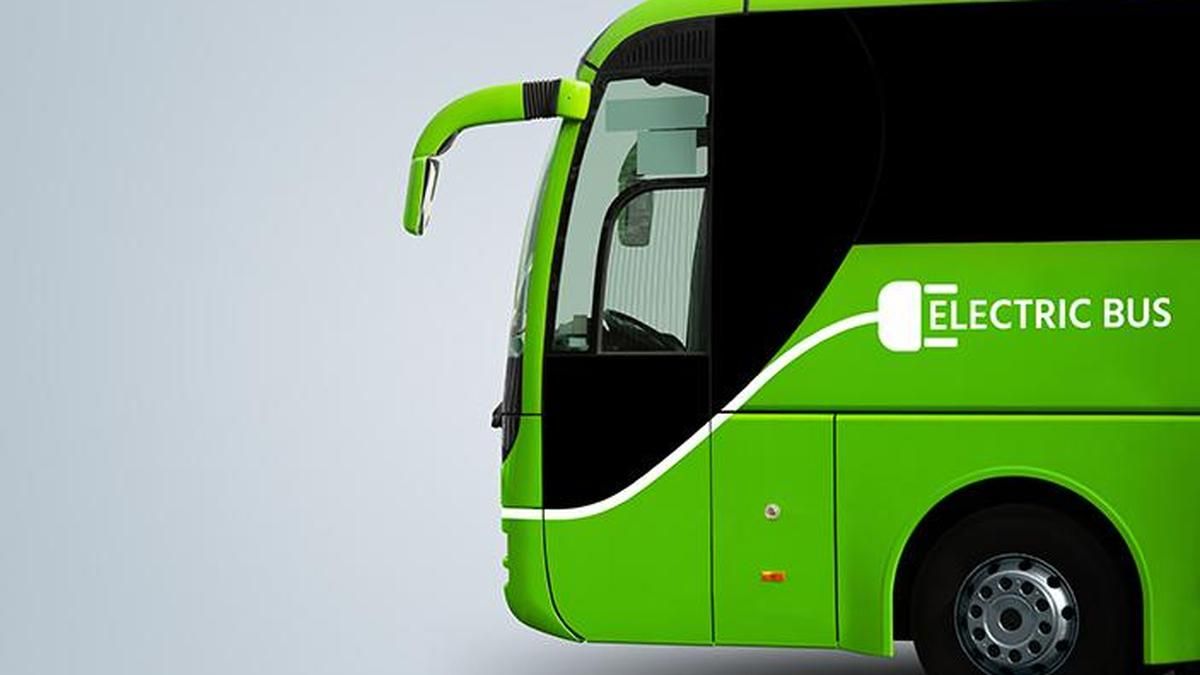
The Delhi Cabinet has approved the induction of 2,800 air-conditioned, low-floor electric buses under the first phase of the Centre’s PM E-DRIVE scheme, with the first vehicles expected to begin operating from April 2027.
The entire fleet is expected to be integrated into the city’s public transport network by August 2028, taking the Delhi government closer to its target of expanding the Capital’s bus fleet to around 14,000 by 2028-29.
Of the approved buses, 1,400 will be nine metres long and the remaining 1,400 will be 12-metre vehicles. The smaller buses are intended for narrow roads, rural pockets and neighbourhood routes, while the larger vehicles will be deployed on high-demand corridors.
The buses will be equipped with air-conditioning, CCTV cameras, panic buttons, low-floor access and other passenger-safety features, according to government officials. Routes will also be rationalised in consultation with IIT Delhi to improve deployment and reduce duplication.
The buses will be inducted for Delhi Transport Corporation services under a Gross Cost Contract model.
Under this arrangement, private concessionaires own and maintain the vehicles and are paid by the government on a per-kilometre basis.
The service contracts will run for 12 years. The Centre will provide assistance of up to Rs 35 lakh for each 12-metre bus and Rs 25 lakh for every nine-metre bus, according to officials interviewed by ANI.
Electric fleet nears 4,800
Delhi already has one of India’s largest electric public-bus fleets. The city had around 4,500 electric buses before another 300 vehicles were inducted earlier this month, taking the count close to 4,800.
The overall public-bus fleet is estimated at around 7,000 vehicles. The government has said it plans to progressively retire ageing CNG buses and move towards a predominantly electric fleet.
Chief Minister Rekha Gupta said the additional buses would strengthen public transport and provide cleaner and more convenient mobility. The government expects the expansion to improve last-mile connectivity and extend bus services to areas where the availability of public transport remains limited.
The push also fits the Centre’s broader energy-security strategy. PMO Adviser Tarun Kapoor recently said faster electric-vehicle adoption was necessary to reduce India’s dependence on imported oil and would require coordinated action by the Centre, states and industry.
New West Delhi route launched
The fleet expansion is being accompanied by changes to the existing bus network. DTC recently introduced Route 753 Ext on an experimental basis to improve connectivity between Central Delhi and residential areas in West Delhi.
The service provides direct connectivity from Janakpuri, Vikaspuri, Hastsal, Shiv Vihar, Uttam Nagar and Hari Nagar to Mori Gate, Kashmere Gate, Old Delhi Railway Station and New Delhi Railway Station.
Transport Minister Pankaj Kumar Singh said the route would be monitored before a decision was taken on its permanent scheduling and frequency.