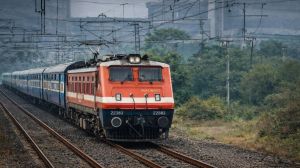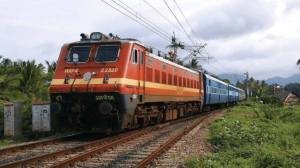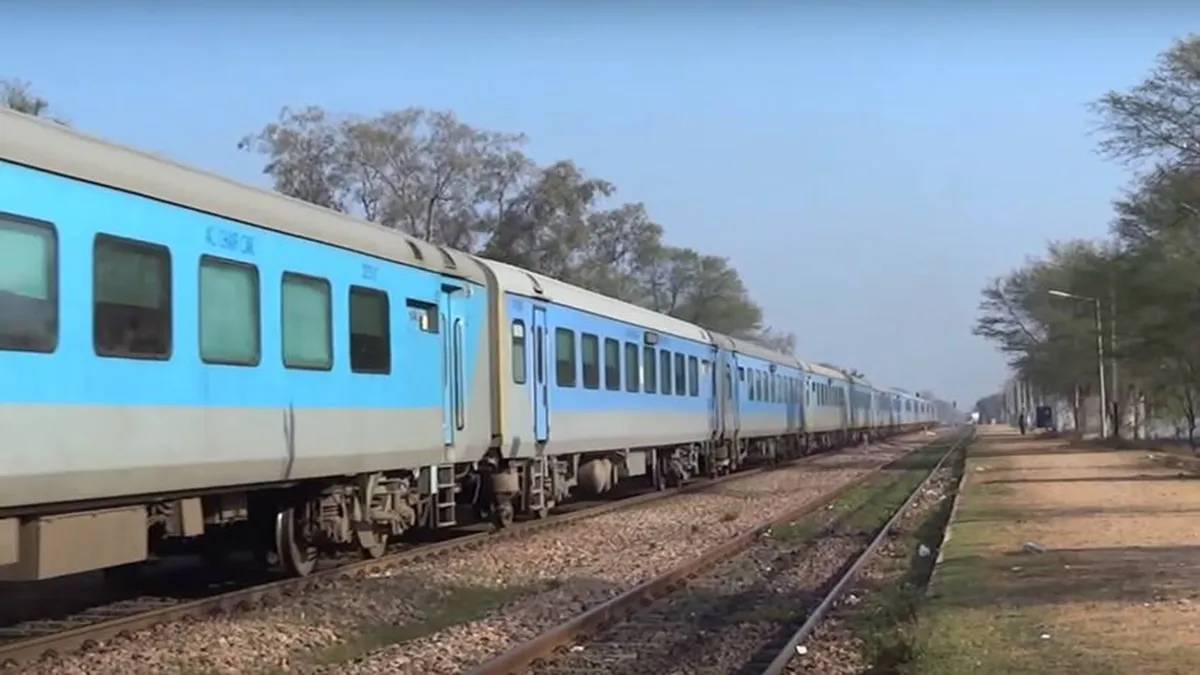
Rail travel and freight movement between Karnataka and Andhra Pradesh are set to get a major boost as the Union Cabinet on Friday (July 25, 2026) approved a Rs.1,264 crore railway expansion project on the busy Ballari–Guntakal route.
The project will add third and fourth railway lines on the section, helping Indian Railways handle more trains while reducing congestion on one of the region’s key rail corridors.
The project, cleared by the Cabinet Committee on Economic Affairs (CCEA) chaired by Prime Minister Narendra Modi, is expected to be completed by 2028-29. Besides improving train operations, it is also expected to benefit industries, passengers and villages located along the route.
More Railway lines to increase capacity
The Ballari–Guntakal section is an important rail link that carries both passenger and freight trains every day. With traffic increasing over the years, the existing tracks have become heavily utilised, often affecting train movement.
To address this, Indian Railways will build third and fourth lines along the route, adding around 46 km to its network across three districts in Karnataka and Andhra Pradesh. The project has been planned under the PM Gati Shakti National Master Plan, which focuses on improving connectivity and making the country’s transport network more efficient.
Villages and tourist spots to benefit
The railway expansion is expected to improve connectivity for around 99 villages with a combined population of nearly seven lakh people. Better rail infrastructure is likely to make travel smoother for daily passengers as well as passengers travelling across the two states.
The project is also expected to improve access to popular destinations such as Ballari Fort and the Sri Kumara Swamy Temple, making travel more convenient for tourists and pilgrims.
Key Freight corridor to get a big upgrade
The Ballari–Guntakal route plays an important role in transporting minerals and industrial goods from the region. Commodities such as iron ore, dolomite, limestone, iron and steel, coal, fertilisers and food grains are regularly moved through this corridor.
With additional railway lines, the route will be able to carry an estimated 16.22 million tonnes of extra freight every year. This is expected to reduce delays in freight movement and improve logistics for industries that depend on rail transport.
Lower Emissions, Better Efficiency
Apart from increasing rail capacity, the project is expected to deliver environmental benefits as well. According to the government, shifting more freight to rail could save around 1.32 crore litres of fuel and reduce 6.67 crore kilograms of carbon dioxide emissions, equivalent to planting nearly 27 lakh trees.