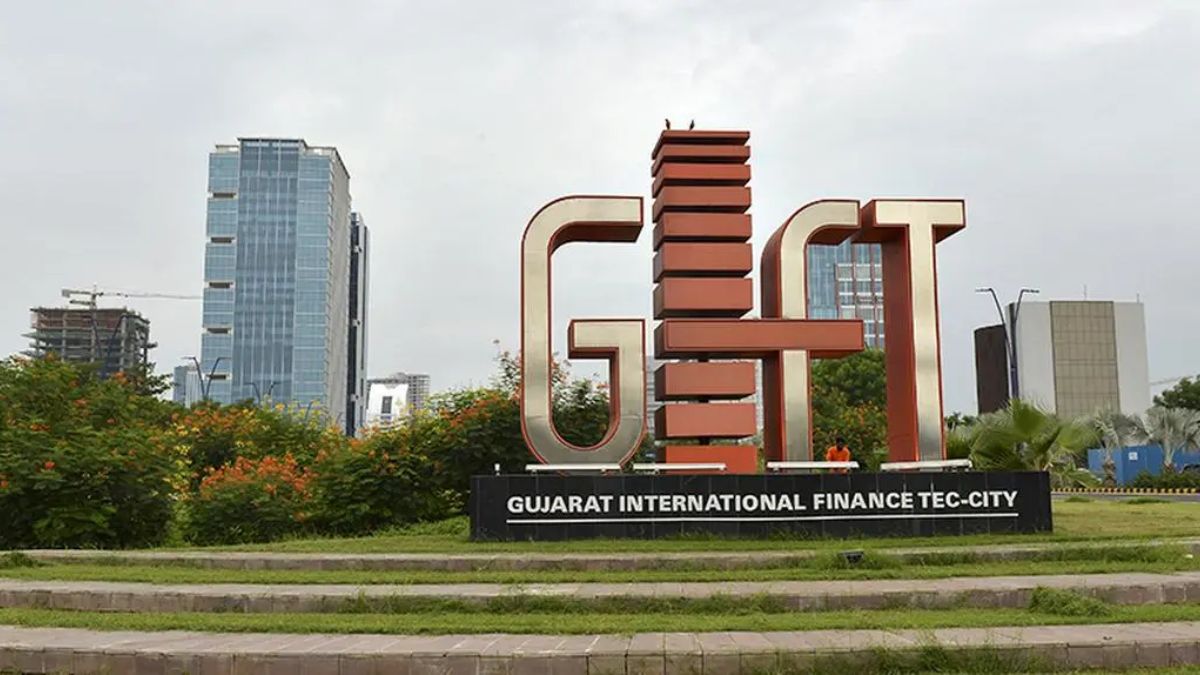
Around 70% of the external commercial borrowings (ECBs) raised in FY26 were routed through GIFT City’s International Financial Services Centre (GIFT IFSC), making GIFT City a gateway to access global capital, Sanjay Kaul, managing director and Group CEO, GIFT City, said. Companies that used to go to Singapore or Dubai now have the option of raising funds at a lower cost through GIFT City, he said.
Kaul said that interest in setting up operations in GIFT City had increased and they were seeing around 40-45 registrations a month on average in the last couple of months.
GIFT City has signed 10 companies to house their treasury operations in GIFT City’s (IFSC), and 20 more are in the pipeline, Bharath Shivappa, president and chief of markets, GIFT City, said. Arcelor Mittal, GAIL, IOC, OVL Overseas, Welspun, Synechron, Renew. AMNS, ATSOL (Adani), and Amerfrid are among them. Six of these companies joined in the first half of 2026.
Around 1,500 entities, including 217 fund management entities and funds, are operating across IFSC, SEZ and DTA. The banking asset size has reached $111 billion, with $ 70 billion in cumulative debt listed on the IFSC exchange, and cumulative banking transactions of $176 billion; 373 aviation assets leased, and 37 ship leases.
Kaul was in Pune for the GIFT City Industry Connect initiative for tapping companies in the leading economic centres. They are reaching out to manufacturing and technology companies and GCCs to be part of the international financial infrastructure as they become more international, and their requirements extend beyond production and innovation to sophisticated treasury management, cross-border capital, risk management and international financial structuring.
Indian companies are no longer competing only within domestic markets—they are acquiring businesses overseas, building global supply chains, establishing international R&D centres and serving customers across continents. GIFT City’s regulatory and financial ecosystem can complement Pune’s industrial strengths and serve as a financial gateway for accessing global capital, managing international treasury, structuring overseas investments, and competing more effectively in international markets, Kaul said.