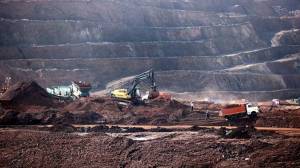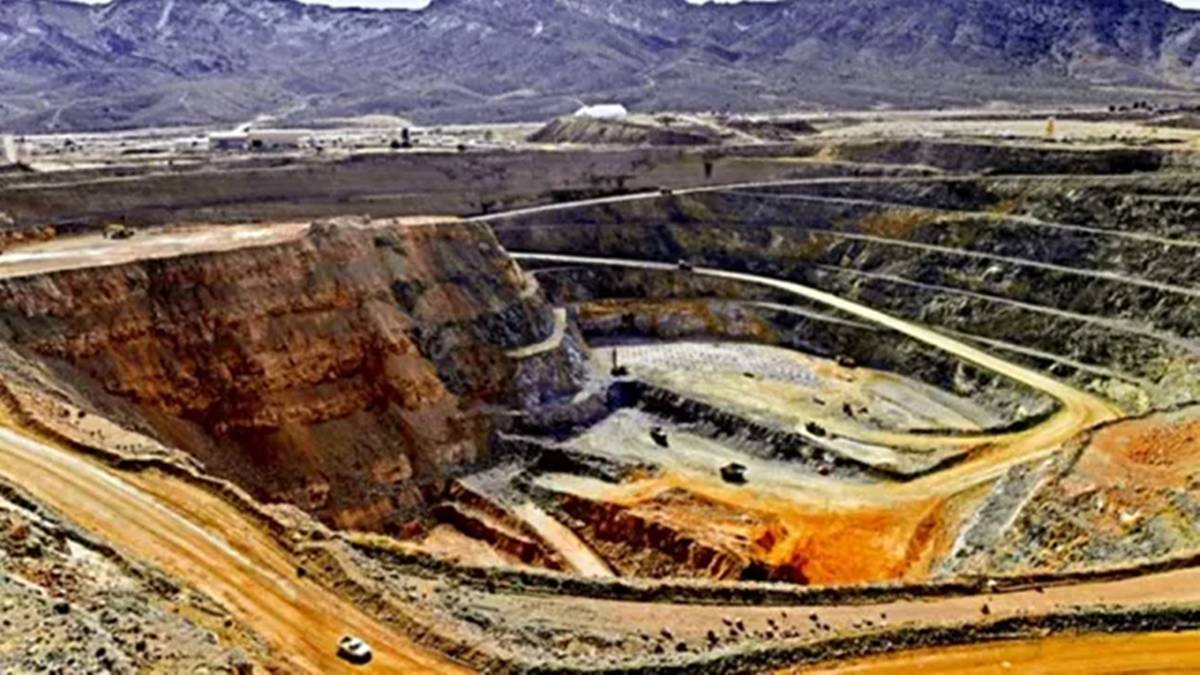
India has drawn up an estimated ₹36,398.1-crore mine-closure programme covering 339 coal and lignite mines, with ₹9,240.9 crore earmarked for community development and livelihood generation, as the government prepares to convert exhausted sites into clean-energy, industrial and community assets.
The Coal Controller Organisation’s Annual Report on Mine Closure 2025-26 said 42 coal mines have been scientifically closed for the first time since Independence. Nine were closed in FY25 and another 33 in FY26. Of these, 25 had been closed, abandoned or discontinued before 2009 and 17 thereafter.
A total of 147 mines have been identified for time-bound closure, comprising 136 operated by Coal India subsidiaries and 11 by Singareni Collieries Company. The portfolio includes 117 underground and 30 opencast mines.
Average physical progress across the 147 mines stood at about 64% as of March 31, 2026. SCCL led with 78%, followed by SECL at 73% and WCL at 63%. BCCL achieved 59%, CCL and MCL 47% each, ECL 36%, NEC 30% and NCL 29%.
India’s coal and lignite sector has about 575 mines spread across nearly 3.6 lakh hectares, directly and indirectly affecting more than five million people. The scale makes rehabilitation, environmental restoration and productive reuse of mined-out land a major economic and social challenge.
Funding Allocation
Under the Mine Closure Guidelines, 2025, 25% of annual closure costs under the sustainability component must be allocated to community development and livelihood activities. Another 10% of escrow funds is earmarked for just-transition measures, including skills, alternative livelihoods, social infrastructure and transitional support.
Of the ₹9,240.9-crore sustainability allocation, ₹1,084 crore is meant for water-resource management, ₹1,063 crore for skills and training, ₹903 crore for plantation and afforestation, ₹802 crore for wildlife conservation and ₹720 crore for clean-energy projects.
Mine owners must deposit financial assurance into escrow accounts at ₹14 lakh per hectare for opencast mines and ₹2 lakh per hectare for underground mines, compounded annually at 5%. They must meet any shortfall if the balance is inadequate to cover closure obligations.
Land Repurposing
The next phase will focus on repurposing reclaimed land. The report identifies 35 possible projects, including floating solar plants, wind farms, pumped-hydro storage, data centres, logistics parks, industrial hubs, recycling centres, aquaculture, eco-parks and livelihood centres.
The SUVIKALP digital platform will assess geography, climate, transport links, grid proximity, investment potential, employment generation and community preferences to identify suitable projects for individual sites.
The government also plans to accelerate work across the remaining mines, strengthen post-closure monitoring and place local communities at the centre of project selection, skill development and future land use.