




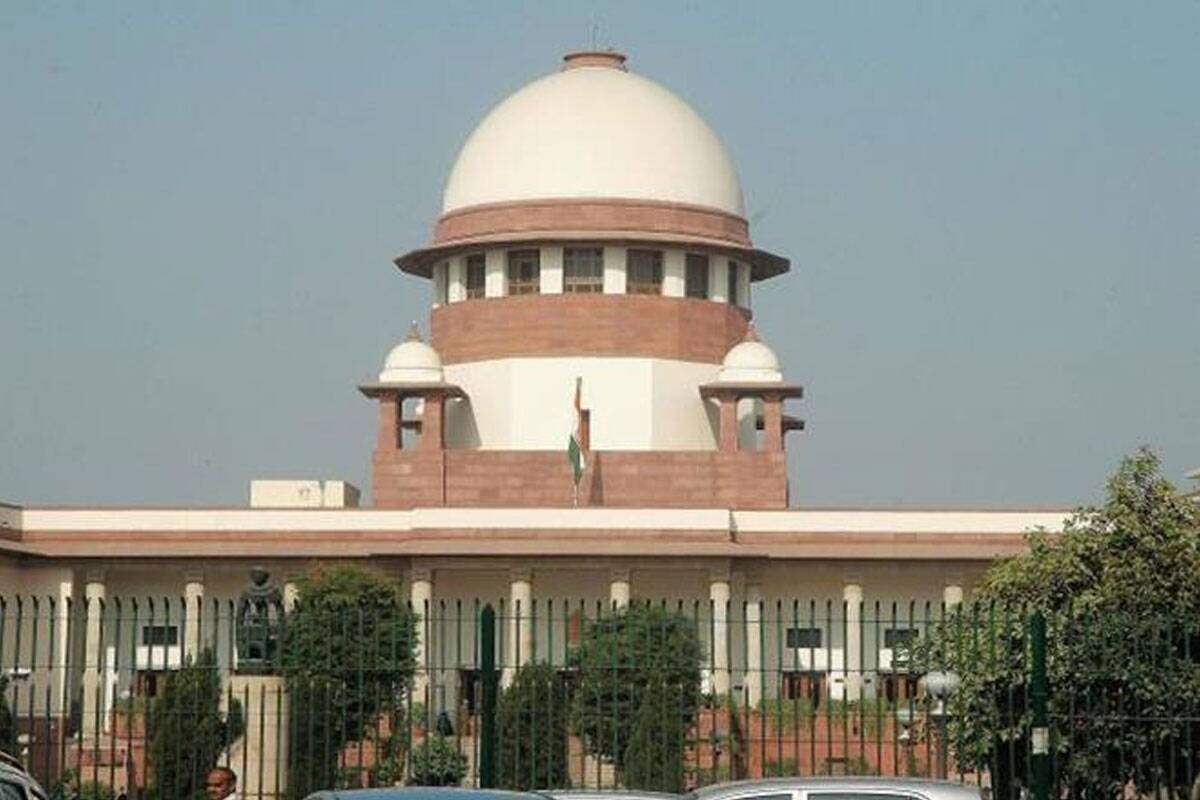
In a relief to miners in Goa, the Supreme Court on Tuesday gave mining companies time till January-end to remove and transport validly mined iron ore lying unused at various mining sites subject to payment of royalty and other charges to the state government.
A bench led by Chief Justice S A Bobde while disposing of the pleas seeking permission to transport the already mined iron ore said that the lessees can remove the minerals excavated/mined on or before March 15, 2018, by the end of January 2021. The quantity of mineral so removed will have to be verified by the concerned officials based on the government records maintained at the relevant point of time, it said.
However, the apex court said “if the lessees fail to remove the mineral within the stipulated time, the government shall invoke the power under Rule 12(1)(hh)” of the Minerals (Other than Atomic and Hydro Carbons Energy Minerals) Concession Rules 2016 to confiscate the mineral.
Welcoming the decision, Minescape Minerals counsel Jayant Mohan told Financial Express that the miners have got the “lifeline” as they were already going through a rough phase due to mining ban. “The livelihood of thousands of workers and others got affected. Even the state is already suffering economic distress due to mining ban and this order will address the economic hardships being faced by the mining firms and the state,” he said.
Various lessees led by mining firm Chowgule and Company had sought extension of time on two grounds – the delay on the part of the statutory authorities in issuing transit permits for the transportation of the royalty paid ore and the imposition of lockdown within two months of the January 30 judgment that allowed such transportation of the mined minerals.
However, Goa Foundation, the NGO, had opposed the grant of any further extension saying that the ore on which royalty had not already been paid can never be removed and any extension of time is bound to be misused by the lessees. It further said that the ore inside the leasehold area on which advance royalty had already been paid was only 73,850.26 tonne.
The state government had argued that it had all details about the mineral already excavated on or before 15.03.2018 and lying at the site and the lessees cannot remove more than what is in its records.
The apex court had on January 30 while allowing such transport within six months held that the Bombay High Court was not correct in directing the miners to stop all mining operations with effect from March 16, 2018. It upheld the decision of the Goa government that permitted transportation of mineral/iron ore which was mined before March 15, 2018, and on which royalty was paid.
If the apex court in its February 2018 judgment in Goa Foundation II had intended to prohibit the mining as well as transportation of the minerals/iron ore with effect from March 16, 2018, nothing precluded it from doing so, it said, adding that the only prohibition was for carrying out mining operations after this date and not on transportation.
Mining activity in Goa came to a halt in September 2012 after the Justice MB Shah Commission report on illegal mining was tabled in the Parliament. All top mining companies were indicted in the illegal mining scam and the report also pointed out to a politician-bureaucrat-mining companies nexus.
The ban was eventually lifted in 2014, but the Supreme Court had ordered the cancellation of all existing mining leases and issuance of fresh leases. The top court had also allowed an annual cap of 20 million tonnes of iron ore to be extracted in Goa.


