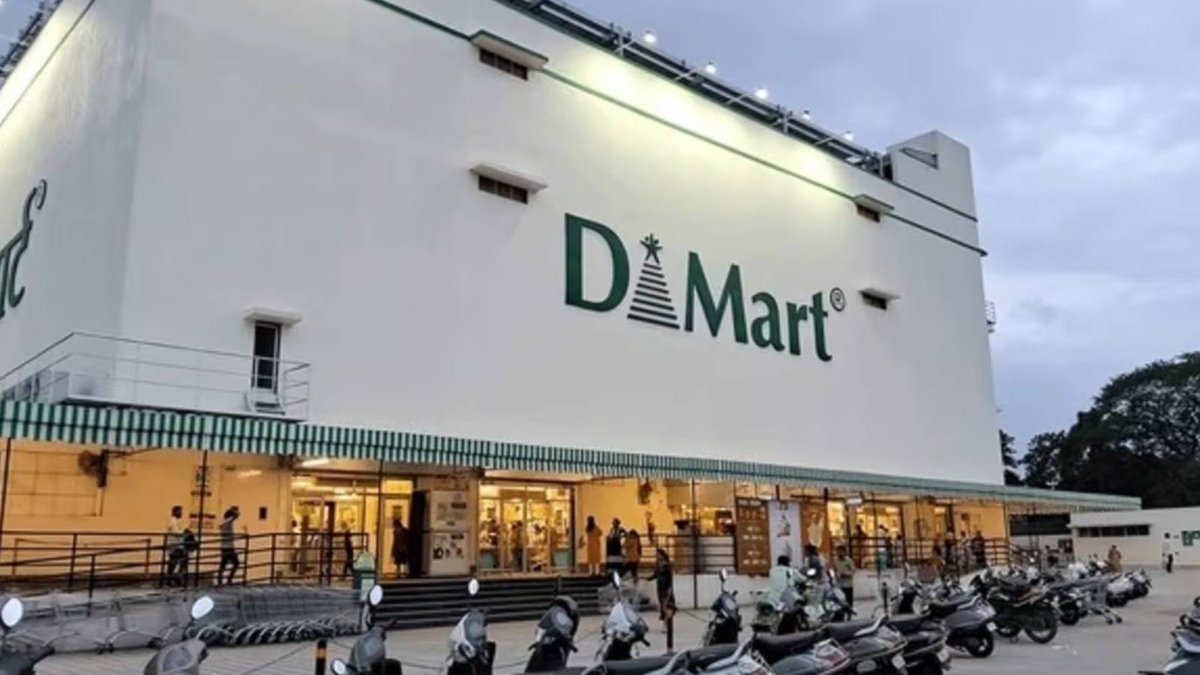
Avenue Supermarts has more than halved the footprint of its online grocery business, DMart Ready, over the past year as the retailer shifts its focus from geographic expansion to profitability amid intensifying competition from quick commerce players.
The company disclosed during its Q1FY27 earnings on Saturday that DMart Ready now operates in 11 cities, down from 24 a year ago and 18 at the end of FY26, underscoring a sharp strategic reset. In Q1 alone, the online business exited seven cities.
The company said the markets it exited were marginal contributors to the business. Among the cities it withdrew from were Jaipur, Surat, Nasik, Kolhapur, Chennai, Vijayawada and Raipur.
“We continue to deepen our focus in large metro cities while improving our model,” Vikram Dasu, CEO, Avenue E-Commerce, said.
The move underscores the growing pressure traditional online grocery formats face from India’s fast-expanding quick commerce segment, led by Blinkit, Swiggy Instamart and Zepto. These platforms have rapidly gained market share by offering deliveries in as little as 10-20 minutes through dense networks of dark stores.
According to Elara Capital, the combined order volumes of leading quick commerce platforms are now roughly four times the number of bill cuts generated by DMart’s physical stores, highlighting the scale at which the new-age players have expanded.
Unlike quick commerce operators, DMart Ready has built its proposition around scheduled deliveries, pick-up points and bulk grocery purchases rather than ultra-fast fulfillment. The model aligns with Avenue Supermarts’ long-standing “Everyday Low Price” (EDLP) strategy, which prioritises operational efficiency and lower prices over speed.
Analysts said the restructuring reflects the company’s preference for strengthening its business in large, high-density urban markets instead of pursuing nationwide expansion at the expense of profitability.
The renewed focus on profitability comes as DMart Ready’s losses have continued to widen despite healthy revenue growth. While Avenue Supermarts is yet to release its FY26 annual report, its last disclosed financials for FY25 showed losses in its e-commerce business widening even as revenue increased 21% over the previous year.
The company reported a loss of Rs 247.37 crore in FY25, compared with Rs 184.82 crore in FY24, while revenue rose to Rs 3,502.42 crore from Rs 2,899.20 crore during the period.
Jefferies said DMart’s long-term investment case remains anchored in the expansion of its physical store network, with DMart Ready expected to focus primarily on large metropolitan markets. The brokerage believes the company’s extensive offline presence remains its strongest competitive advantage against the rise of quick commerce.
Morgan Stanley, however, cautioned that competition will remain intense even within the metros where DMart Ready is concentrating operations, as these are also the strongest markets for quick commerce players. That could weigh on the online business’s revenue growth, even as it strives to reduce its losses.
Even so, the brokerage said DMart remains well positioned to benefit from its inherently efficient business model, disciplined execution and the large addressable opportunity in India’s organised grocery retail market.