




Investors are becoming increasingly selective in the country’s automotive and electric vehicle (EV) sector, funnelling capital into a handful of established mobility and technology companies while pulling back from broader startup funding.
Overall deal activity in the sector fell 42.9% quarter-on-quarter to 20 transactions worth $717 million in the April-June period, from 35 deals valued at $745 million in the preceding quarter, according to Grant Thornton Bharat’s latest Automotive Dealtracker.
While deal volumes nearly halved, transaction values declined by just 3.8%, reflecting continued investor appetite for larger, high-quality businesses. The quarter also recorded the lowest deal volume since the second quarter of 2023.
“The sector is witnessing more disciplined capital allocation. While deal activity slowed during the quarter, investment remained focused on businesses driving the future of mobility,” said Saket Mehra, Partner and Auto & EV Industry Leader at Grant Thornton Bharat.
The trend was visible over a longer period as well. In the first half of 2026, the sector recorded 55 transactions worth $1.46 billion, compared with 59 deals valued at nearly $2.8 billion in the second half of 2025. While deal volumes declined only marginally, investment value almost halved, signalling a more cautious funding environment.
The report said investors are increasingly favouring businesses aligned with long-term themes such as electrification, software-defined vehicles, connected mobility and mobility platforms over companies pursuing rapid expansion without proven execution.
Private equity (PE) activity reflected the shift. PE deals fell to 13 worth $341 million from 28 deals valued at $702 million in the previous quarter. However, the five largest transactions accounted for nearly 96% of total PE investment value, highlighting investors’ preference for established, category-leading companies.
Rapido’s $240-million fundraise was the quarter’s largest transaction, followed by a $47-million investment in JBM Ecolife Mobility, underscoring investor preference for scalable business models with clear growth prospects.
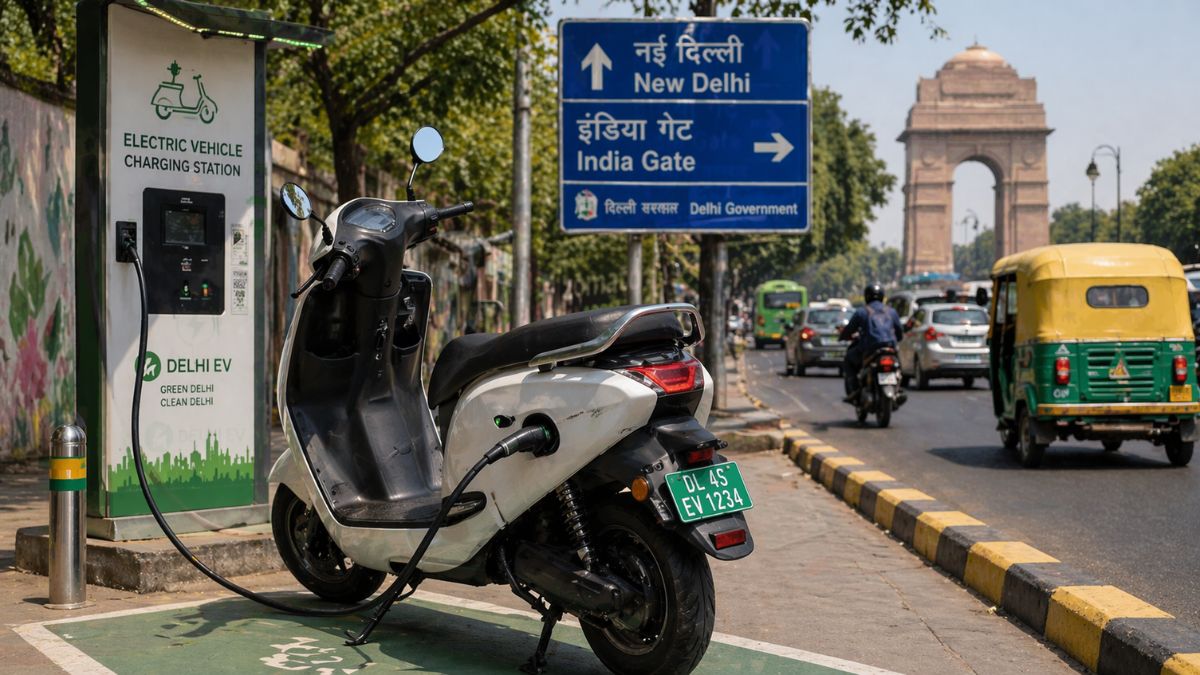
The report also pointed to a shift in EV investments. Rather than focusing only on vehicle manufacturers, investors are increasingly deploying capital into fleet electrification, charging infrastructure, battery technologies and energy management solutions.
While Mobility-as-a-Service (MaaS) accounted for 84% of PE deal value, electric vehicles dominated volumes, accounting for 54% of all PE transactions, reflecting continued confidence in India’s broader electrification ecosystem.
On the mergers and acquisitions (M&A) front, only five transactions worth $138 million were recorded during the quarter. However, average deal size increased significantly as companies focused on acquiring specialised technology capabilities instead of expanding manufacturing scale.
KPIT Technologies’ $120-million acquisition of Israeli automotive cybersecurity firm Cymotive Technologies accounted for nearly 87% of the quarter’s M&A value, highlighting growing interest in software-defined vehicles, connected mobility and automotive cybersecurity.
Looking ahead, the report said the sector is likely to benefit from continued policy support for manufacturing, localisation and clean mobility, along with improving international trade linkages.
It said the India-UK Comprehensive Economic and Trade Agreement (CETA) is expected to boost automotive trade, improve market access for Indian auto component makers and engineering service providers, and encourage greater cross-border collaboration in manufacturing, technology and R&D.
However, it cautioned that supply-chain resilience, critical mineral security, evolving emission norms and geopolitical developments will continue to shape investment decisions, with capital expected to remain concentrated in businesses aligned with electrification, software-defined vehicles, mobility platforms and advanced automotive technologies.


