




The little girl on the familiar yellow-and-white wrapper has never spoken a word. Yet, for generations of Indians, the Parle-G girl has conveyed something few brands manage to achieve—warmth, familiarity and trust. That perhaps explains why the 87-year-old label, synonymous with the glucose biscuit category, remains the world’s largest-selling biscuit brand, churning out nearly a billion packs every month.
Parle-G is the country’s most widely distributed biscuit brand, reaching around 7.5 million retail outlets—over 80% of India’s estimated nine million biscuit-selling stores. That footprint has helped Parle remain India’s most penetrated FMCG brand in Kantar’s Consumer Reach Points rankings for 13 consecutive years. The flagship brand also contributes just under half of Parle Products’ annual revenue of nearly Rs 16,000 crore, underlining its significance to the company. “Parle-G has been a key contributor to Parle topping the list for all these years,” says Mayank Shah, chief marketing officer, Parle Products.
A major priority for the company has been to keep the brand relevant to consumers over the decades without diluting what it stands for—kindness, goodness and sharing. “Parle-G remains an affordable nutrition option for ordinary Indians. What we ensure is that it continues to endear itself to every occasion,” says Shah.
That relevance is reinforced through both national campaigns and regional communication around festivals such as Onam, Durga Puja, Ganesh Chaturthi, Bihu, Chhath and Rath Yatra. Affordability is another pillar. While urban markets largely stock Rs 5 packs onwards, several rural and semi-urban markets continue to offer Rs 2 packs, ensuring consumers across income groups can access it.
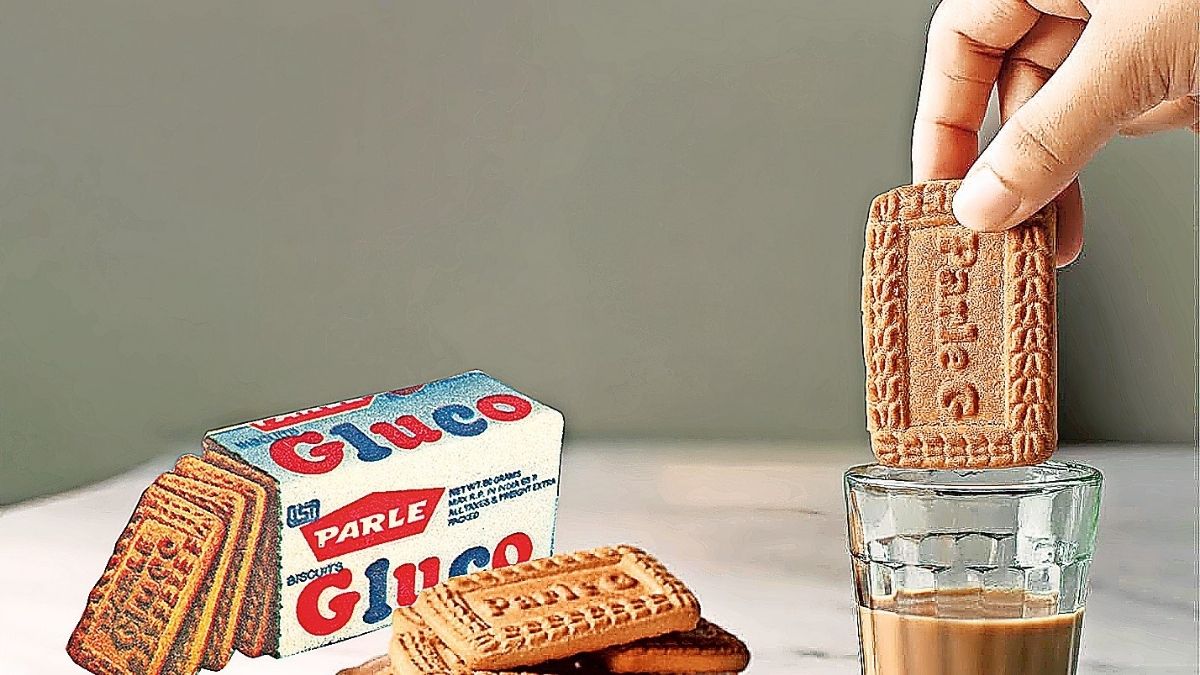
Brand experts say Parle-G’s appeal extends far beyond snacking. For millions of Indians, it is woven into the daily ritual of a morning cup of tea. More than a biscuit, it has become a habit passed down generations. “Parle-G is like comfort food, something you can turn to anytime,” says Mumbai-based marketing expert Krishnarao Buddha. “Its ability to insert itself into almost any eating occasion is what has helped the brand stand the test of time, even as competition has intensified.”
The brand’s origins also continue to shape its positioning. Introduced in 1939 during the Swadeshi movement, Parle-G was conceived as an affordable Indian alternative to imported biscuits, which were largely consumed by the British and the country’s elite. Nearly nine decades later, affordability remains central to its strategy, even as it competes with both domestic and multinational rivals in an increasingly crowded market.
The biscuit category remains one of the few FMCG segments where low-unit packs priced at Rs 2, Rs 5 and Rs 10 account for an estimated 60-70% of sales. In such a market, distribution is as critical as pricing.
Despite its scale, Parle spends less than 2% of Parle-G’s sales on advertising. Shah says economies of scale work in the brand’s favour. Once a brand reaches critical mass, media and distribution investments become relatively fixed, allowing advertising-to-sales ratios to decline without compromising visibility.
Manufacturing has also evolved to support the brand’s extensive reach. Parle Products operates about 135 manufacturing locations across India, with nearly 80-90 producing Parle-G. Only around 10 are company-owned; the rest are contract manufacturing units strategically located close to consumption centres to improve efficiency and distribution.
For marketers, Parle-G offers a reminder that enduring brands are not built through constant reinvention. Instead, they remain anchored in a clear purpose while adapting how they engage consumers. Through changing tastes, rising competition and multiple economic cycles, Parle-G has stayed true to the promise on which it was founded—offering an affordable, trusted biscuit that continues to find a place in millions of Indian homes.


