




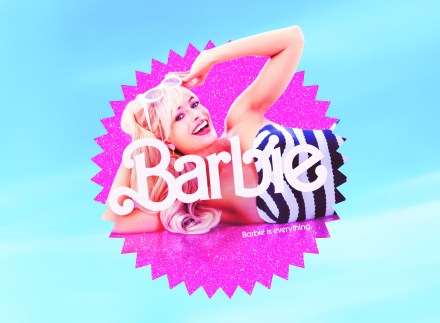
Unless you’ve been living a hermit’s life the past couple of months, there is no way you would have missed the hullabaloo around the Barbie movie that releases today. Promotions for the movie have been on in full swing across social media, television, print media and outdoor hoardings, rendering it hard to miss. The movie has also turned heads with its brand collaborations, having partnered with over 100 brands across categories. Whether it is Xbox, H&M, Airbnb or Baskin Robbins, brands have been proudly donning Barbiecore pink ahead of the movie’s release. Warner Bros is said to have spent around $100 million, about 50-60% of the production cost, on the film’s marketing.
Contrast that to Bollywood film marketing, promotional budgets have gone up to Rs 35-40 crore in recent years and entail the set drill of television reality show appearances, malls and college visits, besides newspaper ads. This year’s biggest Hindi blockbuster Pathaan reportedly saved a cool Rs 20 crore — exactly double the amount it spent on below-the-line promotional activities — by doing none of these.
Chatter and buzz-wise, Barbie has tapped into the zeitgeist of what is an increasingly social world, observes Tareque Laskar, head of research practice at ITW Consulting. But will all this translate into a possible comeback for Barbie, the brand, in India?
“What Barbie demonstrated is the value of reaching the right audiences and creating clever conversation points which opened the pipeline for paid media initiating a chain reaction of amplification via earned media, particularly on social media,” says Laskar.
Fringe benefit
In 2022, Mattel’s Barbie brand generated gross sales amounting to about $1.49 billion across the globe, with three Barbie dolls sold every second. The film is set to skyrocket the doll industry to an estimated $14 billion by 2027, according to an Euromonitor expert.
But India has proved to be a difficult nut to crack for Mattel’s golden goose. Indeed, the entire Asia-Pacific region has been the brand’s week spot. In 2022, Mattel generated revenues of just over $300 million in the region. Its sales did see a temporary upswing when schools faced the Covid lockdown but it continues to face two big challenges — how to remain relevant and demonstrate more progressive values. At present, Mattel India, according to industry estimates, has an annual turnover of Rs 400-500 crore.
Against that backdrop, the first and easy part — generating noise and curiosity around the movie —seems to have been achieved. Noting that the movie’s marketing has been a party for brands, Ambika Sharma, founder and MD, Pulp Strategy, says the movie has probably earned much more from its collaborations than it spent on marketing. “Barbie has done really well in getting nearly everyone involved in its promotions. It’s not just the movie cast and the stars, there are brands, influencers and even consumers involved. Regular social media users could post pictures of themselves using Barbie filters. Even Google’s search page turns pink every time you type in the movie name or the names of the lead actors,” says Sharma. Google searches for Barbie have increased 271% in the last couple of months, as per reports.
Can all this breathe new life into the Barbie doll sales in the country, giving Mattel a firmer footing in the `8,000-crore toy market? Ankit Grover, integrated business head, north, Wondrlab India, is optimistic. “After the second teaser of the movie was released in April, we saw Google searches for Barbie soar to a five-year high. With such mounting interest, this surge could directly impact the sales and value of Barbie dolls and toys,” he states. What could also work in the iconic doll’s favour is the movie’s director, Greta Gerwig of Little Women and Lady Bird fame, who is known for weaving feminist themes into her work. Grover believes that this could possibly make Barbie more progressive, though it remains to be seen how much positive rub-off the movie will have on the doll.
Mithila Saraf, CEO at Famous Innovations has a slightly different take, arguing that the movie will appeal to adults more than kids on account of the nostalgia factor. “The movie seems to have all the necessary ingredients to be a commercial hit and bode well for the brand. However, it’s a recipe for a short spike as it seems disconnected from the true problem of adoption. The reason Barbie has lost relevance is not lack of buzz, but because kids today are radically different from millennials — they are highly aware, connected and conscious from a very young age. The idea that they will fawn over a perfect little plastic doll is unlikely, no matter how well the movie does,” asserts Saraf.
If Barbie has to make a true comeback, it needs to transform itself far more fundamentally in terms of ideals, medium and delivery, say experts.
Follow us on Twitter, Instagram, LinkedIn, Facebook


