




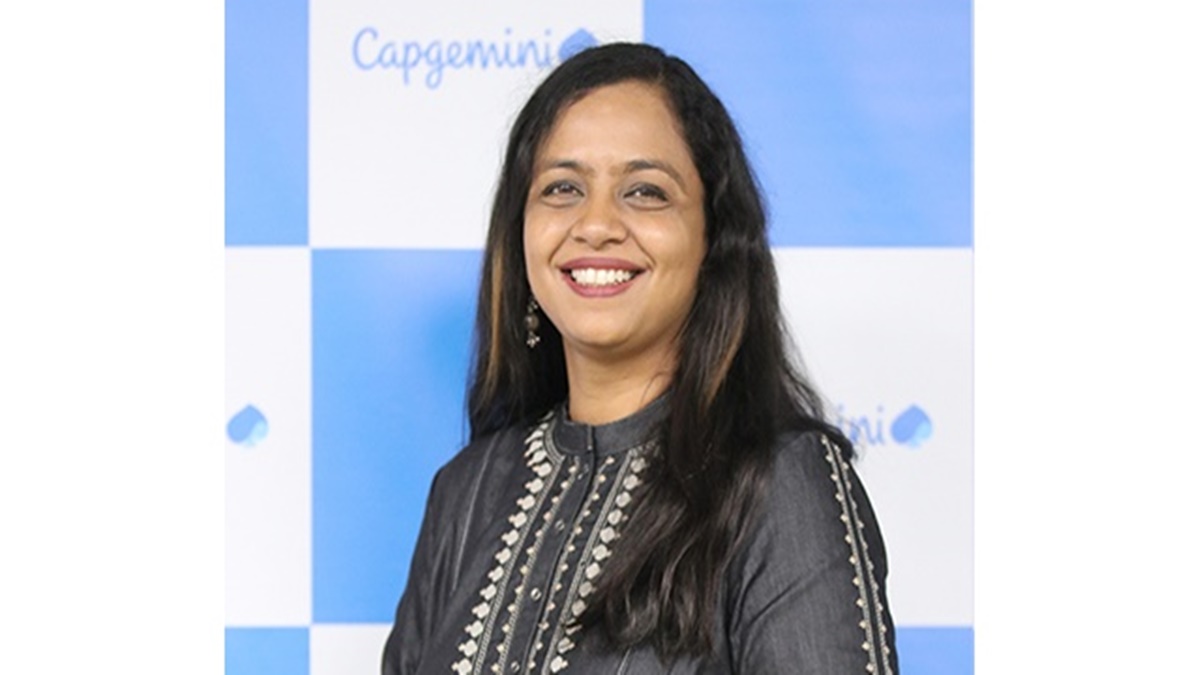
Sarika Naik
There’s never been a tougher and, yet, a more exciting time to be in marketing than today. New technologies, new trends, and new customer behaviours are transforming the industry like never before, creating huge opportunities for today’s new-age marketers. The pandemic has changed the discourse. But in its aftermath, the goal posts have expanded: it’s now about rethinking effective marketing strategies because of slashed budgets, managing remote or hybrid workforces, establishing an emotional bond with employees, and connecting with communities.
A time to reinvent
In these unprecedented times, and in our digital era, we have to redefine the classical approaches to marketing to be successful. The future of marketing will be about challenging convention, leading innovation, and shaping culture.
The focus will be on refashioning the business vision, about ‘marrying the art and science of marketing’ as done by General Electric CMO Linda Boff. She singularly led GE’s transformation from a 135-year-old company to a ‘Silicon Valley start-up’ through innovative content, digital marketing, and new media partnerships.
This is also the time when CMOs have to reinvent their business purpose. Mastercard’s CMO, Raja Rajamannar, exemplified this perfectly — he set up a $250 million fund to help small businesses survive the pandemic. As he says, “there’s a time to sell… and a time to serve.”
As attention shifts to business enablement, companies will deploy new marketing tools for brand enhancement, advertising, and portfolio management. Virtual events and AR will be part of every marketer’s arsenal. In a digital and connected ecosystem, martech will be a critical business enabler. According to chiefmartec, there are 8,000 martech solutions in the market today, indicating more than 5000% growth over the past decade. Their role will only rise further.
As we enter a digitally integrated world, client engagement will go ‘phygital,’ CX will go virtual, and business will be real. A case in point is Procter & Gamble: by launching a new platform where people meet virtually as ‘avatars,’ and by accelerating omnichannel customer experiences through gamification, the company actually did more business during the pandemic.
Going beyond business
In this new normal, it will be incumbent to bring in new talent in specialised areas. The hiring of analytically competent, data-driven marketing specialists will become par for the course. Companies should set up agile performance loops to break down silos, and prepare employees better to address future business volatility.
Post-pandemic, we see a rethink within organisations on questions of diversity and inclusion. Organisations will have to go into overdrive to know what kind of people to select, and what is genuinely needed to promote diversity. This is in response to the way issues of diversity and inclusion are today affecting the workplace.
Marketing has to lead real change in business, and be ready to take risks. Nike risked more than its reputation when it waded into the anti-racism movement with a reworked message ‘For Once, Don’t Do It,’ a deviation from its powerful ‘Just Do It’ logo. This use of a marketing message for social integration paid off well, and positively impacted the company’s business.
Going ahead, marketers will have to assume greater responsibilities in driving innovation, building capabilities, and taking responsibility for growth. With emerging technologies as the new frontier, CMOs will be tasked with more than just marketing.
But we are also in danger of reaching a point of innovation maturity in marketing, especially as the novelty factor wears down. Therefore, CMOs will have to constantly rethink and re-strategise business. And in an era where societal goals and business goals are intersecting, this is well and truly a watershed moment for marketing!
The author is CMO, India, Capgemini
Follow us on Twitter, Instagram, LinkedIn, Facebook


